Read the previous entry in the series here.
Read the next entry in the series here.
Following an excerpt from Symphe’s papers, “The Pirate Isles” begins with Fitz mulling over his continued voyage aboard the Paragon as the liveship obliges Althea, Brashen, and the crew to proceed past their intended and agreed-upon destination towards Clerres. The ill regard in which the crew holds him and his company is noted, and the routines into which Fitz and his company settle further are described.
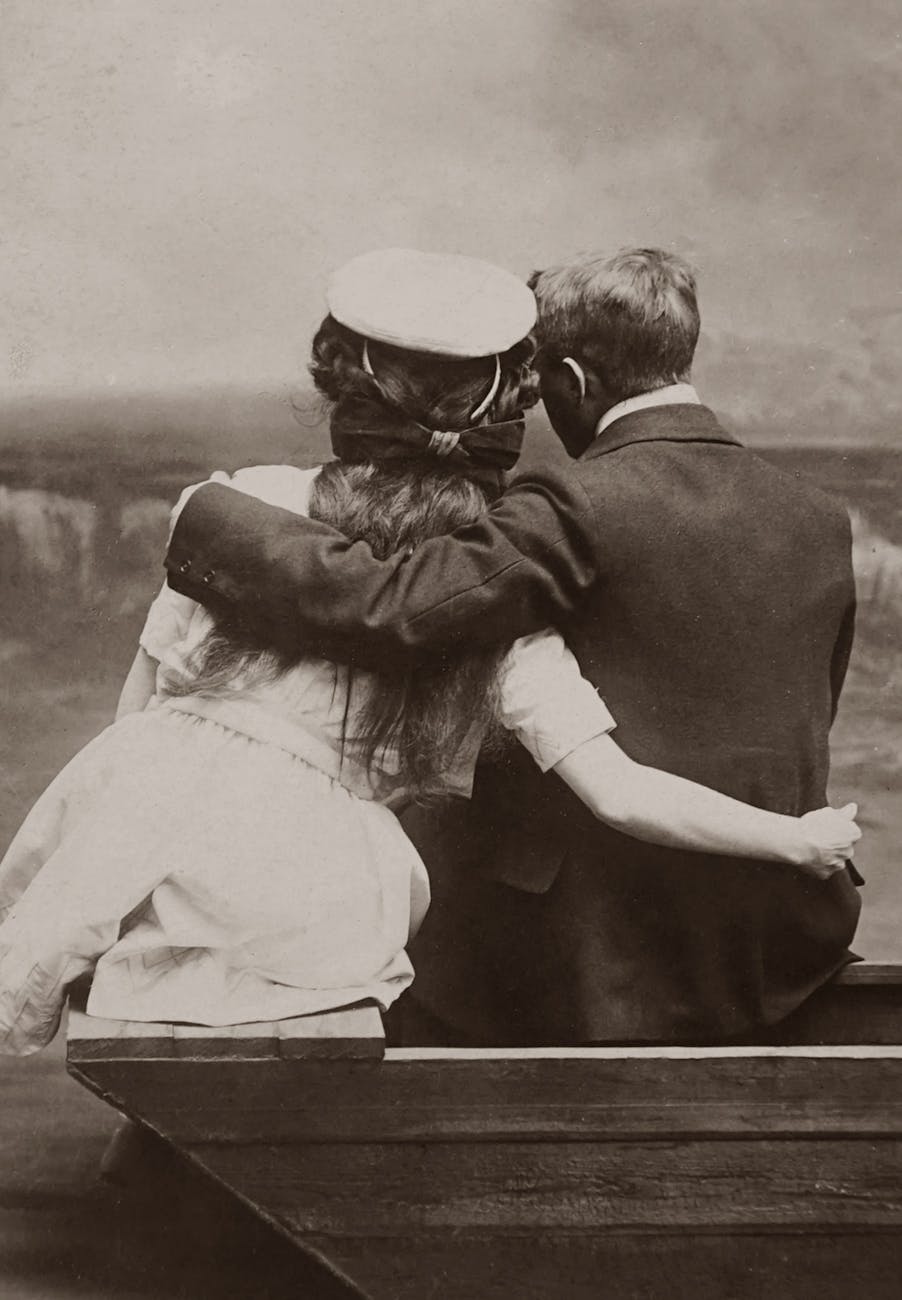
Photo by Suzy Hazelwood on Pexels.com
One evening, Fitz disguises himself in Elderling garb and reconnoiters the liveship. Unseen by the crew, he overhears Clef teaching Per, as well as Lant and Spark discussing romantic entanglements. The latter gives Fitz cause to ruminate, and he retires.
The voyage continues, and matters worsen aboard the Paragon. Fitz confers with the Fool about the matter, as well as about how he feels himself treated by the Fool as Amber. The conference leaves Fitz angry, and he walks the decks to try to ease himself. An earlier argument with the liveship is rehearsed, and Kennit’s exploits are glossed to Fitz as the Paragon enters the Pirate Isles and is spotted by one of their ships. A conference about that ship is begun among Amber, Fitz, Althea, and Brashen, and the perils that present themselves at that juncture are noted.
The liveship shudders and shifts as the other ship approaches, and Paragon determines to make for Divvytown. Matters grow tense as the other ship draws closer, and the liveship consents to follow it, finding mooring near the Vivacia. As the ship is tied off, Fitz urges Lant to take Spark and depart, but is rebuffed once again. Fitz prepares messages for Buckkeep as ship’s matters are conducted, and he is aboard as the Paragon makes to confront the Vivacia. The two liveships confer at some odds, and Fitz is nearly overwhelmed by the magical energies that flow between the craft, and he is roused by a messenger bespeaking the return of Amber, Althea, and Brashen to the Paragon. Althea and Brashen’s son joins them, and Fitz muses on the complications that surround them all.
The present chapter is one of the longer ones in the novel thus far, running to thirty pages in the printing I am re-reading. The length does allow for a fair amount of material to be presented in a way that makes sense, in context; exposition is always a challenge to address well, but using time aboard ship with little else to do to address it picks up the gauntlet with relative ease.
That noted, I do find the introduction of the romance between Lant and Spark a bit abrupt. It does seem to surprise Fitz, admittedly, so I can accept it as a thing that had been going on “off-screen,” as it were, but I think I would have liked a bit more lead-up to it, a bit more foregrounding. In a series of novels that largely predicates itself on prognostication, I don’t think that’s too much to ask. (At the same time, I note something of a back-handed joke in the relationship, a spark setting off a lant[ern]. [Yes, it’s FitzVigliant, not Lantern, but still…]) Not that I could do better, admittedly; I do not claim to be able to do so much, and I do not want to be understood as doing so. But that does not mean I cannot point out what I see–or what I would have liked to have seen, even in a series of works I have repeatedly affirmed and demonstrated that I very much enjoy and appreciate.
I’ll note that my issue with the romance is not the romance itself. It makes sense that those who are in close proximity for extended periods of time would get to know one another better the longer they are together, and it does not exceed belief that that greater knowing would lead to greater affection leading towards love. Hell, I met my wife in graduate school, and while that’s not quite as sequestered an environment as Spark and Lant have shared, being in a post-baccalaureate program together does mean you see an awful lot of a relatively restricted number of people, the more so when you share office space as my wife and I did (about which a bit here). And it’s not like amorousness is new to the Realm of the Elderlings; Fitz has had his share, as have Althea and Brashen, as well as others who figure prominently in the milieu. It’s part of life for many people (I see you, aro folks), so it should be present in the work of an author who prizes verisimilitude, even if it’s not the protagonist’s focus at any given point in that work.
The holidays draw closer, and bespoke writing still makes a great gift–that I can help you get!


 Elliott RWI
[…] Read the previous entry in the series here.Read the next entry in the series here. […]
LikeLike
[…] the previous entry in the series here.Read the next entry in the series […]
LikeLike