Read the previous entry in the series here.
Read the next entry in the series soon.
The thirteenth chapter of Forest Mage, “Buel Hitch,” opens on Nevare remaining long with Amzil despite his intention of moving onward, distracted by the pleasure of feeling himself of use to her and her children. His efforts on their behalf are described in some detail, ranging from teaching rabbit-snaring to making exchanges of supplies and labor with others in Dead Town, and improvements in Amzil’s life are measurable.

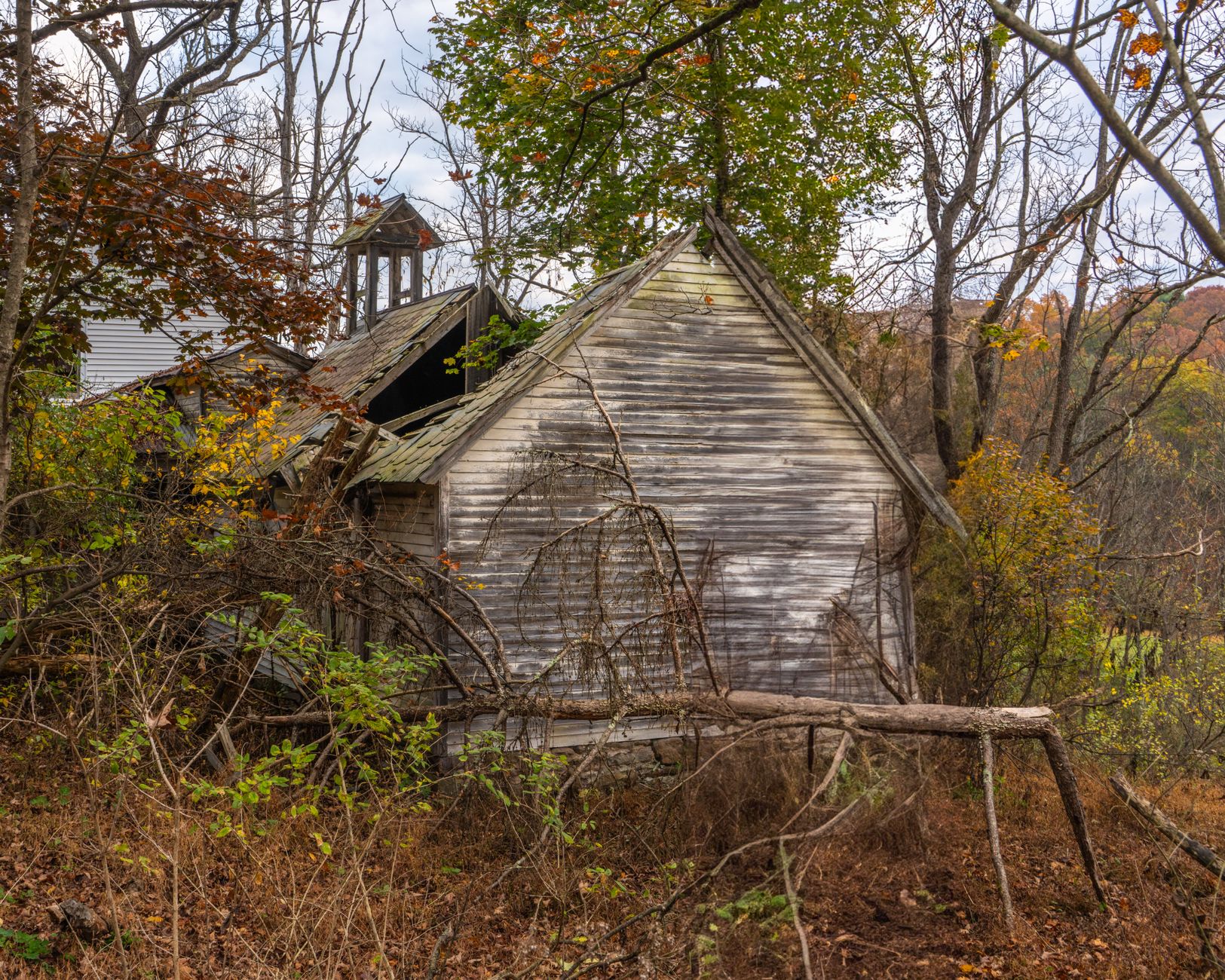
Photo by pedro furtado on Pexels.com
Nevare marks the few travelers that pass by while he remains with Amzil, and he begins more and more to be part of her life and her children’s. One night, Nevare dreams of Tree Woman again, surprised that she yet lives and warned by her that he cannot remain where he is, lest worse things befall than yet have. The morning after, Amzil muses bitterly to him on her feelings of abandonment, explaining her thoughts to a doubtful Nevare, who attempts without success to argue against the position.
Nevare finds himself in mind of Spink as he frets about Amzil and her children, and he briefly considers setting aside the demands of his birth, to which he holds despite his father’s words. He chances upon a ragged garden amid his musings, and although there is some tension as Nevare learns more about Dead Town’s inhabitants, he considers sending for Yaril to have her settle in Dead Town, although he soon rejects the idea.
Further reverie is interrupted by Nevare’s discovery of the injured scout lieutenant, Buel Hitch. Nevare makes to tend the man, and he comes into conflict with Amzil as he does so, she being unwilling to have a stranger in her house. Hitch expresses surprise at Nevare and his circumstances, and he fairly commands Nevare’s assistance in helping him reach Gettys. Nevare begins to make preparations to depart, he and Amzil conferring again, and he remains resolved despite some misgivings about leaving her and the children behind.
Nevare goes out hunting to try to leave something for Amzil, and he is able to take a deer despite poor equipment. This, he delivers back to Amzil with instructions about how to handle it, and he goes to bathe afterwards, being disgusted with the state of his body as he finds it, somehow even fatter despite leaner eating. Later, Amzil provides a meal to Nevare and Hitch, liver and onions, in which Nevare revels. After Nevare returns the dishes to Amzil, Hitch chivvies him about her and notes her earlier propensity towards prostitution, leaving Nevare in some doubt of himself but resolved to press ahead toward Gettys with the next morning.
To address the chapter-length issue: the present chapter, in the edition of the novel I’m rereading, runs 31 pages in length, approximately 4.24% of the novel. It is the single longest chapter in the novel, as well, and if it is the case that a new narrative arc in the novel began in “Flight,” and that it and the next two chapters serve primarily as exposition for that arc, then the present chapter offers what might well be termed an inciting incident or, following Freytag, the rising action of said arc.
Also, for indexing purposes, the following: Amzil, Buck, Carsina Grenalter, Clove, Coffee, Dead Town, Gettys, Kara, Liver, Merkus, Nevare Burr, Nevare Burvelle, Old Thares, Rabbits, Reeves, Rig, Roya, Scout Lieutenant Buel Hitch, Sem, Soldier’s Boy, Specks, Spinrek “Spink” Kester, Teme, Tree Woman, Widevale, Yaril Burvelle. It is a surprisingly brief list for so long a chapter, but since the present chapter is largely not explication, as such, it does not need to have as many indexable items as that.
Of note is Amzil’s comment that the king “took all the poor folk who broke the laws to live, and sent us out here to die” (285). It does seem a cruel thing to do, of course, not only to exclude people from society but also to do so after promising them a new beginning and a chance at rehabilitation and reintegration. That Amzil expounds upon the situation of those in Dead Town, criminals given no real instruction in how to live otherwise than by predation upon each other and left thrown together without any oversight or means of adjusting their lives, does support her position that Dead Town–and, by extension, the other places like it along the Gernian colonialist project–serves as a means of “cleansing” the imperial core, and doing so in a way that reinforces existing social hierarchies, since the perhaps-planned failures of such places and their inhabitants “proves” that those exiled to them deserve the condemnation that has been heaped upon them. And while it is true that, left in such conditions, people do what they must so that they and their children can survive, it is also true that they are not offered an honest opportunity to change their situations, which is what the expansionist project promises those who accept its bargain.
Another item of note: Nevare seems quite versed in garden agriculture for someone in his position. While it might be expected that, having been raised to help steward his family’s lands after a military career, Nevare would have some training in such things, so much is not really expressed; the stewardship that had been previously suggested was of the overseeing-the-actual-workers variety. How much of the seeming domesticity serves to contrast Nevare from Fitz (see the above) is unclear, although worth consideration; the fact of it seeming not to fit with what memory indicates is his personality and skill-set is of more importance.
Yet another item of note: much is made in the present chapter of Nevare killing a young buck. I am again put in mind of comparisons to FitzChivalry Farseer, such as I’ve noted in Shaman’s Crossing‘s “Magic and Iron,” “Journey,” “Crossing the Bridge,” “Sword and Pen,” “Carnival,” and “Plague.” The scene in the present chapter seems something of a refutation of those comparisons, or else a reaffirmation that the Soldier Son is not the Farseer or the Tawny Man, that Gernia is not the Six Duchies, for all the ways in which they do share some features and tendencies of narrative construction. But then it is also the case that Fitz, himself, does a lot of buck-killing, variously interpreted…there is some nuance, I find as I think on it more, and I wonder if it might not be another scholarly someday dawning that such a thing might be explored.
If you’d like me to write for you fill out the form below!