Read the previous entry in the series here.
Read the next entry in the series here.
A proposal for exploiting prophetic foreknowledge precedes “Bribes,” which opens with Bee waking to breakfast in her imprisonment. Disoriented, she takes a moment to collect herself and asks for wash-water, only to be denied. Prilkop explains, and the Four enter, described once again as Capra takes Bee from her cell. Bee follows her past cells and into the stronghold of Clerres, coming to a room where Bee is instructed to bathe.
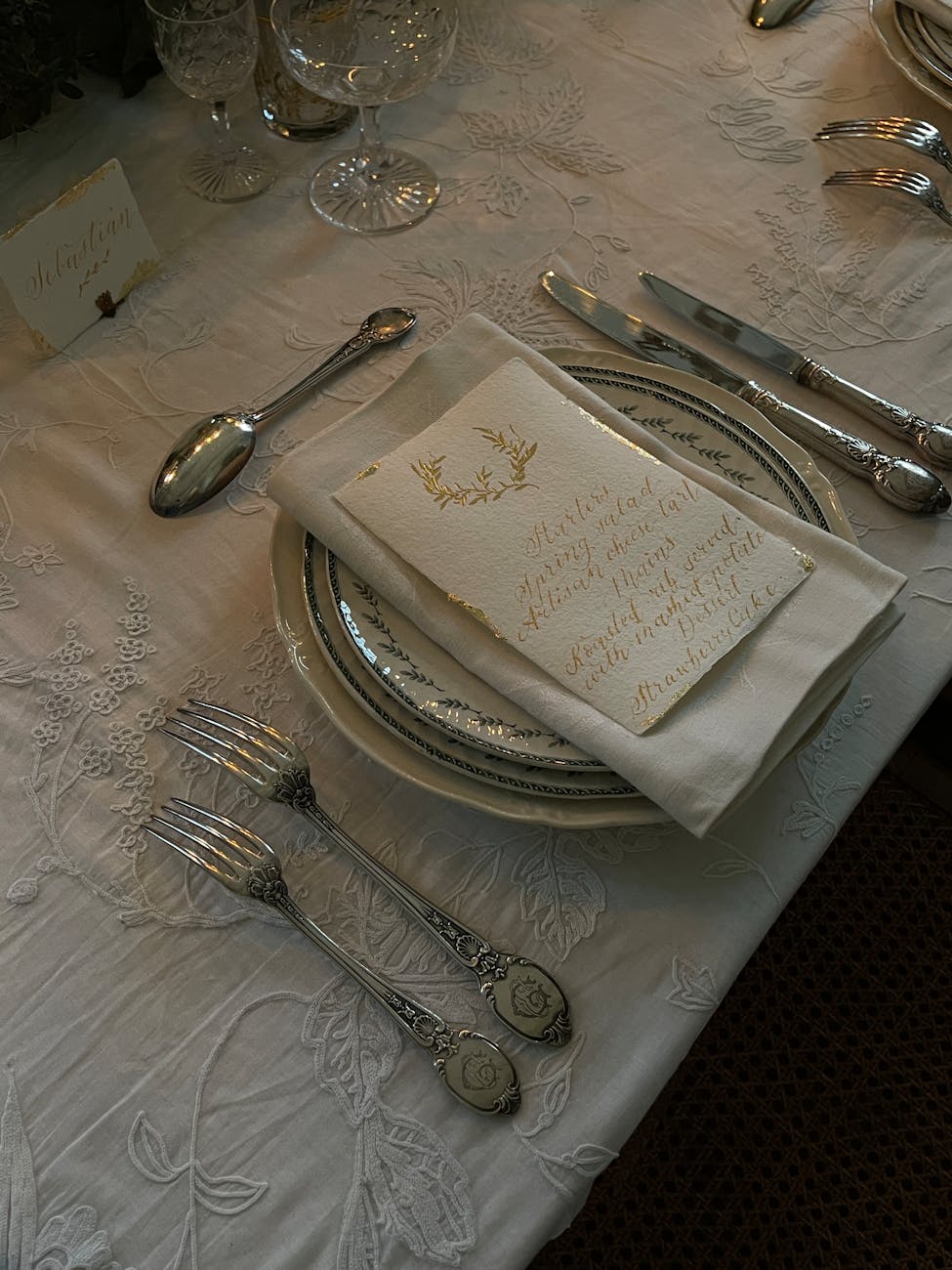
Photo by Eugenia Remark on Pexels.com
Bee does as bidden, assessing her physical state. As she dresses, she keeps with her a candle Molly had made, about which Capra asks her; at the questioning, Bee sees possibilities emerge, but she is soon obliged to follow Capra again through more of the stronghold. As they proceed, Capra explains what they pass by, noting a core library of texts and how they are used in Clerres to effect.
The pair continue on, and Bee begins to formulate a plan for how she will go on. Capra lays out possibilities for Bee to consider, and she takes her to dine privately. Bee puts forward her best possible presentation while concealing as much of her deeper self as she can, deflecting questions about deeper truths. Coached along by Wolf-Father, Bee has some success in it, partly by divulging information that belied Dwalia‘s earlier comments. The success is only partial, however, and she soon finds herself being recorded in detail.
Bee considers the scribe brought in to attend upon her, Nopet, and begins to make her report. In doing so, she gives more detail than she intends, and Wolf-Father continues to coach her. But it proves well for her that she does, because her accounts are confirmed by other sources, and as the Four begin to argue, Capra takes Bee back to her imprisonment next to Prilkop. Capra ubpraids the other three again, and Bee is left confined to consider what will happen next.
The present chapter, in Capra questioning Bee at the table about Fitz and the Fool, offers a reminder about the Six Duchies’ predilection towards emblematic names, something long asserted in the Realm of the Elderlings novels. (Indeed, the opening prefatory materials that begin the whole corpus make mention of it; readers learn the practice before they learn the narrator’s name in the text.) Originally an issue of royal and noble names, the practice seems to spread beyond those confines; one example is Perseverance, who does seem to keep going when he probably ought not to do so, and Spark/Ash presents another, paired, example of the same. (I am suddenly put in mind of something of a backhanded chain of jokes as regards Spark; her presence seems to kindle Lant[ern? I know it’s not, but it’s close enough for the evocation], much as he had been infatuated with Shine and fairly glowed in her company before the revelation of their close kinship. I motion towards the latter in earlier comments, but the former only now occurs to me, I think. It’s probably not a mark in my favor, although it is something that bespeaks the value of rereadings; more details emerge each time, deepening understanding and appreciation–at least for me.)
The present chapter also speaks to what I’ve noted is a recurring theme in Hobb’s work: the primacy of writing. As I’ve commented before, it’s not a surprise that a writer would espouse such themes; making money from writing requires that people believe in the value of writing, after all. I find, however, that in the present-of-this-writing, there is a connection between the accumulated knowledge of untold but implied-to-be vast time-spans of prophecies (and the subsequent reports that bear out their correctness) and the information economy that was certainly in place as the novel was composed and initially released. Again, the novel dates to 2017; social media, with its information-harvesting and predictive algorithms targeted at the acquisition of money, was already very much in place. The idea of reading Clerres as a fantasy take on science-fiction dystopiæ tantalizes, suggesting itself as yet another scholarly someday worth investigating.
I seem to continue to collect such things. I hope to be able to address at least some of them.
The young year invites new writing; fill out the form below to get yours started!


 Elliott RWI
[…] Read the previous entry in the series here.Read the next entry in the series here. […]
LikeLike
[…] the previous entry in the series here.Read the next entry in the series […]
LikeLike
[…] lit, Prilkop speaks to her of dreams, particularly prophetic ones, and relates ominous portents. Wolf-Father rebukes her self-pity as her mind turns towards Fitz, and Bee suddenly realizes Symphe stands […]
LikeLike
[…] in the Realm of the Elderlings novels towards emblematic names (most recently discussed here). The names in question seem uncommonly optimistic for the Farseers; Hope is something of a […]
LikeLike