A Rumination on Valentine’s Day

While it is the case that I’ve posted to this webspace on Valentine’s Day before (here, here, and here), I’ve not yet given a post to the observance, as such. It seems a rare thing; I often post about holidays on holidays, about observances on observances, so to have missed one…it’s a rarity. And it’s something I need to correct.

D’awww.
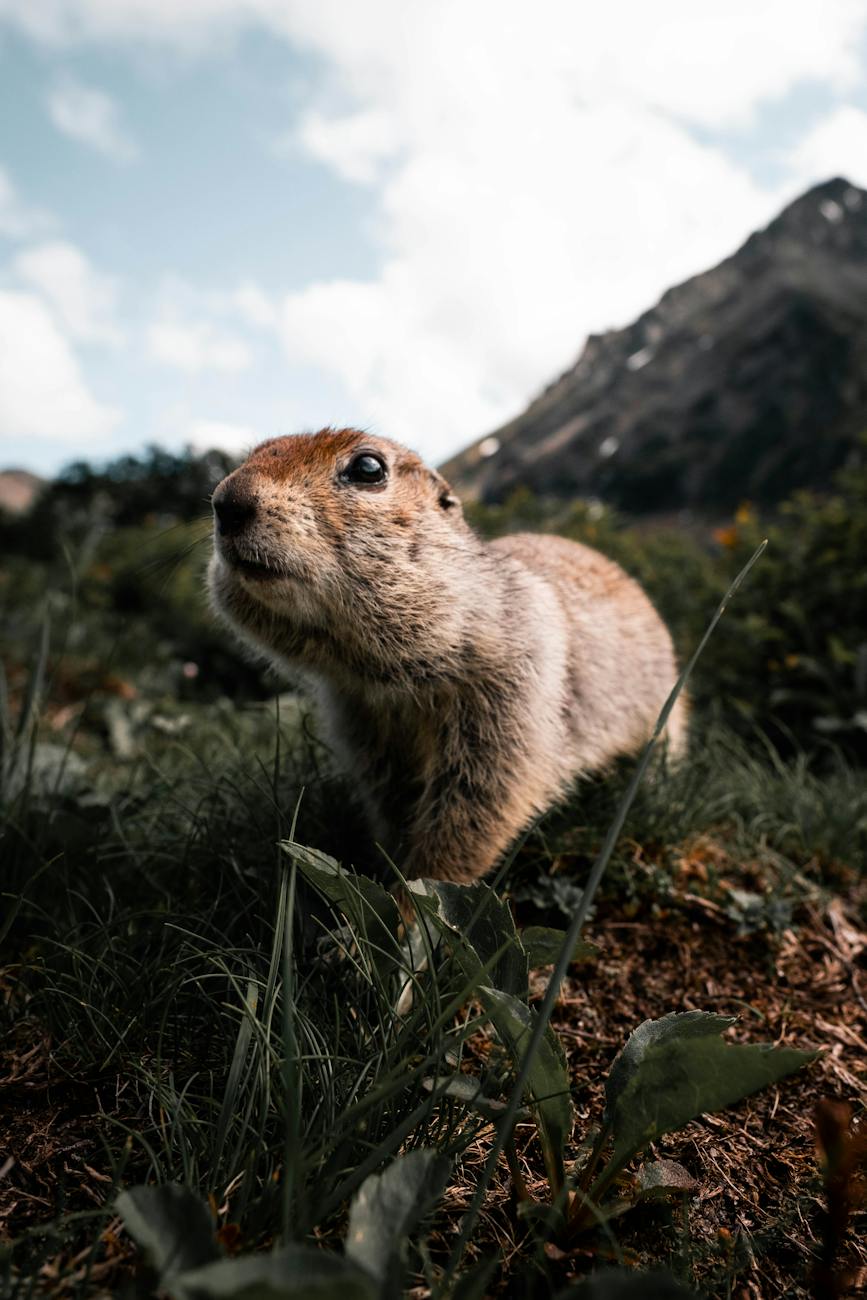
Photo by Alex Green on Pexels.com

There is no shortage of commentary on the event, of course, and no small amount of it critical, often pointedly so. As with so much in the world, it is and has been made crassly commercial, and I confess that I am not immune to its presentation as such; I know where and when I grew up, and I know that one of the accepted and encouraged ways of demonstrating affection for a person is spending money on that person, often on some consumable that will not last / will need to be replaced in short order. I also know that some of those for whom I care are similarly steeped in such ways, such that, even if they know intellectually that affection and expenditure do not necessarily correlate, their feelings would be hurt if I didn’t do at least a little something for them.

I care about them. I don’t want to hurt their feelings. (Find fault with me for it if you must, but if you must, I must assert unpleasantries about those who act with disregard towards those they claim to value.) So I do what I do.

So much said, though, I don’t think it’s wrong to set aside a day to celebrate romantic love. (Yes, I know there’s a lot of cultural focus on such things already; “Why do you need a day for something that’s praised all year?” is a question worth asking, to be sure. There are issues with setting anything as a norm, of course.) I also don’t think it’s wrong to set aside days to celebrate other forms of love, and there are many other such. The love I feel for my wife is not the same as the love I feel for my daughter is not the same as the love I feel for my mother is not the same as the love I feel for my brother is not the same as the love I feel for what of The Work that is still mine to do, et cetera. But “love” is a bad word, not just because it’s a four-letter one, but because the translation’s so…squishy; there’s too much that it covers for it to be as useful as it really could be.

And there’s less of it out in the world than it would be useful to have. But that’s another matter entirely.

Whether for a holiday, a birthday, some other special occasion, or just because, bespoke writing–done by a person and not stolen via AI–makes quite an impressive gift. Fill out the form below to get yours started today!

← Back

Thank you for your response. ✨

Maybe help me make today special for my Valentine?

A Robin Hobb Rereading Series: Entry 386: Blood of Dragons, Chapter 20

Read the previous entry in the series here.
Read the next entry in the series
here.


Following an announcement from the Bird Keepers’ Guild that Kim has been stripped of authority and dismissed, with others possibly to follow, “Dragon Decisions” opens with Thymara considering the work and accoutrements necessary to handle Silver. Progress on Kelsingra in the absence of the dragons is related, and she, accompanied, makes trial of the Silver, and rediscoveries of lost techniques begin, but only barely begin.

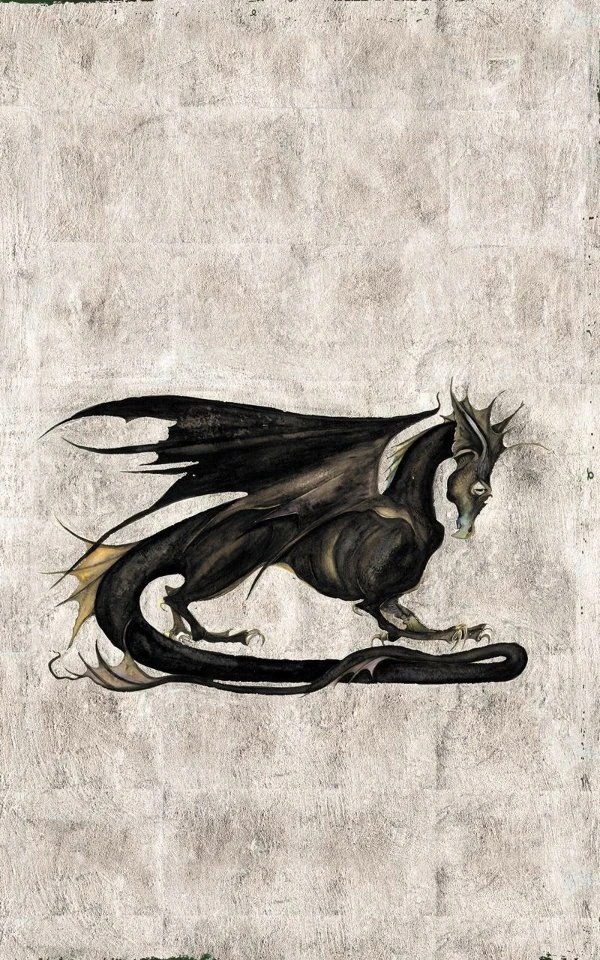
Oddly enough, something like this…
Photo by Pixabay on Pexels.com

Later, Malta muses on the departed dragons and keepers, considering Phron as she tends idle gardens. She and a keeper, Alum, confer, their talk turning to Trader life and the possibility of the creation of other Elderlings. Some of the events of the Liveship Traders novels are glossed, and Malta thinks wistfully on her family. She offers such counsel as she can to the younger keeper, and, gifted with seeds, makes a new start to the gardens.

Thymara repairs to the map room, considering it and the work that has been done on it. Tats joins her there, and the two confer, largely about Rapskal and their own relationship. They walk through Kelsingra, considering it further, and Thymara leads them to the quarters her memory-self, Amarinda, had had. There, she puts the memories to rest.

Approaching Cassarick, Alise and Leftrin confer, their progress downriver noted. Tillamon joins them and notes her plans. An upset among the Chalcedean captives is also related, and the Tarman ties up and begins to disgorge cargo and passengers. The Chalcedeans opt to choose their own deaths in the caustic water of the Rain Wild rather than face what will come, and the attack by dragons on Chalced is reported.

The end of the book is approaching, and along with it, the end of the Rain Wilds Chronicles. It makes sense, then, that Hobb would work in the present chapter to address a number of plot threads and work to bring them towards conclusion. The resolution of the trouble among the Bird Keepers noted in the opening missive is one such thing; the various reflections on relationships among the Kelsingrans and Traders offer other examples. Not all of the plot threads are addressed, of course, but there are yet pages in the text to treat, and it isn’t the case in any event that all plot threads have to be tied off. Indeed, a more verisimilitudinous novel will deliberately leave matters unfinished, as it is rare in real life that matters are completed, let alone completed neatly–and even a less “realistic” one may well leave space from which sequels can emerge, especially when it is itself such a sequel.

I do appreciate the motion in the earlier sections of the chapter towards the idea of work to be done. It is often the case in fantasy fiction, not least in cases where old realms are restored, that the work of that restoration is glossed over, if it is mentioned at all. Consider Lord of the Rings, where the work of rebuilding the Shire is passed over in fits and starts (and the hobbits from whose work the book is “translated” would, as they are described in prefatory materials, likely be at least as concerned with the rebuilding as they would have been with the quest that preceded it), and the restoration of Gondor is relegated to appendices whose composer lamented them. Hobb admittedly has the leisure of more time in the Realm of the Elderlings than many authors; there are years between series that take place in the same areas of the milieu, but it is also clear that things are not hand-waved as restored to their full former status even in those years. In the present chapter, the slow work of manipulating Silver and the bare beginnings of gardens under Malta’s care both point to the efforts to be expended, and not all in one burst.

I have to note, too, the resignation of the Chalcedean prisoners at the end of the chapter. The parallels to historical events should be clear. The reminder that there is pain and misery at the foundation of things is one that needs making; there are certainly enough people who try to forget it again and again…

If you’ve liked the series so far and would like me to write for you, fill out the form below! It’ll only take you a minute, and you could get so much from it!

← Back

Thank you for your response. ✨

Or you can send your support along directly!

Hymn against the Stupid God 219

Somehow, the wrinkled citrus thrown away
By many hands still stands in light of day
And rocks as many look on in dismay
At thoughts that its foul roots still spread and sprout,
That they yet linger, that none can rip out
Each shoot that springs up from the soil. No doubt
Remains that that invasive plant endures,
That, festering, it for itself secures
A foothold, fed by dozens of manures
That many yet will all too gladly spread.
They shovel out what falls from every head
Among them, feast, and think themselves well fed.
No wonder, then, such stink is in the air
As leaves behind all hog-farms in compare.

Something like this, yes
Photo by Daniel Dan on Pexels.com

I’m happy to tend the garden of your writing;
Reach out below to get started!

← Back

Thank you for your response. ✨

Or you can send your support along directly!

Should I Call It a Fitness Journey?

A good while back, I made some comments (here and here) about an exercise class I’d started and was taking. In the time since, I’ve moved to a different county and through more jobs than I care to recount, and I’m not in that class any longer, although I remember it fondly and wish the instructor (who is still in the business as of this writing, here) well.

So, where’s the pot-bell?
Photo by Pixabay on Pexels.com

I’ve also done what I could to keep going to the gym. It hasn’t been in organized classes, as such, although I did join a gym and was reasonably diligent about going a couple of times a week. As my work situation shifted, I had more or less trouble keeping up, although I did feel guilty about missing gym time when I did. Even so, my weight rose, my waistline expanded, and I felt myself becoming…less capable.

More recently, with the newest shift in my working situation, I made an adjustment to my gym-going. Since I don’t regularly work in a town with the other gym I was a member of, I disenrolled from it and took up with a local place; it’s a lot easier for me to make a five-minute drive than a thirty-five minute one. Since my schedule has moved a bit, I’m now able to go to the gym more days, and with my family having the schedule it does, I have a block of time many mornings or most in which I would be alone at home or too early to the workplace; I have time to get some exercise in more often now than before, and I’ve been working to take advantage of that time.

I’ve never been in the best shape, to be honest. I was a scrawny kid, and I have always been a paunchy adult. I don’t expect that I’ll ever lack a flabby belly or jiggling jowls. (Part of why I wear a beard is to minimize the appearance of the latter.) But I can be better and do more, and I think it might well be the case that, over the coming weeks and months, I’ll write somewhat about the efforts I’m making to that end. If nothing else, I do have to show that I can do more than hammer out summaries and snippets of verse in this webspace.

If you’d like to work out my writing skills in your gym, fill out the form below; we’ll get your writing pumped up!

← Back

Thank you for your response. ✨

Or you can send your support along directly!

A Robin Hobb Rereading Series: Entry 385: Blood of Dragons, Chapter 19

Read the previous entry in the series here.
Read the next entry in the series
here.


A brief message from Erek and Detozi to Reyall notes upcoming action from the Bird Keepers’ Guild before “Icefyre” begins. As the chapter opens, the keepers in Kelsingra assess Icefyre, wary of him and noting his injuries. Debate about how to approach the elder dragon ensues, and Rapskal steps forward. Icefyre responds, reporting his situation; he calls upon the dragons of Kelsingra to aid him in exacting revenge. As many of the dragons move off to tend to Icefyre and hold counsel, Tintaglia notes acidly that Icefyre’s concern was absent when she was injured, and the keepers and Alise note that the revenge must be taken for the attacks. Chalced is identified as the likely culprit, and it is determined that the dragons will assail it. Preparations begin in haste.

Dragon of the hour…
Jackie Morris’s Icefyre, hosted on Realm of the Elderlings and used for commentary

The dragons’ conference is related, Sintara and Tintaglia assessing the males among the Kelsingra dragons. Methods and the lack of memory are noted, and concerns of unintended consequences are raised. The indignity of attack prevails, however, though talk of effects does not end.

Leftrin and Alise confer, Leftrin noting that the Tarman must sail for Cassarick to inform the Traders of the dragons’ intent and possible blowback from it. Alise assesses the rapid changes that have befallen, and memories of the attack of Chalced on Bingtown rise up around her. She determines to accompany Leftrin, and she voices her concern about Hest, only to learn that he is missing. The pair put the matter of Hest aside, and preparations for departure continue.

Thymara returns to her room to find Rapskal awaiting her, acting more out of his inherited memories than from himself. She refuses him, and the two part in anger.

The next morning, the dragons as Kelsingra mass to fly against Chalced. Thymara and Tats confer about proceedings, and the arrayed host is described as it makes ready. Not all are eager who will sally forth, and goodbyes are said as the dragons and their company begin to depart. Current statuses are noted, as well, and work on Kelsingra resumes.

The present chapter, near the end of the novel and of the tetralogy, has something of a rushed feeling to it, something I’ve noted about several of the Realm of the Elderlings novels in this rereading series, as well as about this novel in another place. I continue to be somewhat put off by it, although that may well be nothing more than a matter of my personal tastes at work; there is always a concern in offering critique about how much is merely individual preference and how much is broader assessment of literary craft. As it might well be argued that I have literary pretensions at best, I can understand that my own comments on such matters could well tolerate more than one of proverbial grain of salt. But then, there’re many folks who like a lot of salt in what they eat.

As I reread the chapter, particularly the passage in which the dragons and some of their keepers make ready to depart Kelsingra and do so, I found myself in mind of scenes from Peter Jackson’s Lord of the Rings movies, namely those in which the people of Rohan ready themselves at Helm’s Deep. The depiction of such of the keepers as Sylve seems to me reminiscent of that of the children of Rohan, plodding forward fearfully in armor too big for them–but it’s a common enough thing, not only in Tolkienian-tradition fantasy literature, that it might simply be dipping at the same well rather than filling a cup from a bucket already pulled up.

As I reread my review of the book, though, close to eleven years on, I note there’s been some consistency in my approach to the text across time. I’m not necessarily sure how to regard it; was I more or less right all that time ago, or have I stagnated in the more-than-a-decade since? I’m gratified that the gender- and queer-studies approaches I’d noted as being open have been followed up on–indeed, so far as I can tell, they’re among the dominant threads of scholarly work done on Hobb’s writing. (Translation studies has a lot to do with her work, as well.) It’s clear, then, that I got at least something right in my early assessment of the novel; I don’t know, though, and wouldn’t much hazard to guess if I was (or am) quite right in looking at antecedents / sourcing (among others, for reasons noted in the paragraph above). I think I was (and am), of course, or I’d not’ve written as I did (then or more recently), but I’d really like some outside confirmation…

If you’d like me to write for you, fill out the form below!

← Back

Thank you for your response. ✨

Or you can send your support along directly!

About Phil

It seems he gets dragged through this every year
Grabbed up and paraded about
And, yes, maybe he gets something from it
But did he really ask for this
And is this all there is for him?

This again?
Photo by Oleg Mikhailenko on Pexels.com

There are other things in the world to wonder at
Other things at which to be upset
And each new day seems to bring some new affront
Some tragedy or atrocity
There’s no way to keep up with them all anymore
If there ever was a way to do so
This little flat third might well pass unremarked
Amid the cacophony surrounding it on all sides
Save that there’s a focus on this measure every time the song is played
And the chord’s no better for sounding again

I’m happy to write to order for you!
If you’d like me to do so,
fill out the form below,
and we’ll get started!

← Back

Thank you for your response. ✨

Or you can send your support along directly!

In Response to Schaubert

On 29 January 2024, a guest-post to the Tales after Tolkien Society blog featured Lancelot Schaubert’s “Dear Tolkien Estate.” The poem is included in Dennis Wilson Wise’s series on new alliterative poets, and Wise comments at some length on the structure of the poem, itself. In truth, I don’t know that I have anything to add to his discussion of it, unless maybe to find something of Milton in it–the final line, “Pendragon’s poem I dare to complete” is, to my ear, a lesser echo of the claim that Paradise Lost will “soar / Above th’ Aonian mount…/[…]/And justify the ways of God to men” (1.13-26). I am certain, however, that others will be able to say more than is given to me quite at the moment.

Why not? It’s pretty.
Photo by MARTHA SALES on Pexels.com

I agree with Wise that the poem is good, both in itself and as an example of the kind of thing done by the poets of the alliterative revival / survival (there is some suggestion that the alliterative form preferred by early English poetry persisted in one way or another throughout the period in which it has traditionally been held to have lapsed; the dearth of records does not exclude the possibility, and it is not likely that a long-standing mode of transmission was given up altogether), I note that it does clearly mark out its expected primary and secondary audiences. The title and the final stanza attend to the former, particularly; the subject matter, invoking Arthuriana and Tolkien’s Legendarium, suggest that the kind of nerd I am is the anticipated secondary readership.

Being the kind of nerd I am, I read the poem and am motivated to my own response; Schaubert ain’t the only one who gets to do this kind of thing:

Through ages has Arthur attracted attention,
Gathered since Gildas glory, acclaim
Known well to Nennius and noted, too, in
Galfridian Gloucester-praise that might be a game.
The man bound, Malory, mated together
The tales that were told across times and lands,
Put together in prison the parchments’ burdens,
Set them where Spenser could sing to his queen,
Hortatory halted but heard down the years.
The Professor, peerless in popular eyes,
Put his pen to the praise of the one who pulled
The sword from the stone in the yard of St. Paul’s,
One of nine worthies. That work went unfinished,
As was seen to sorrow; it stands not alone
As titles can tell us. The truth is
No story or song is ever full-settled;
How many have told of the husband of Guinevere,
How many speak yet of the son of Uther,
Not all in accord about Agravain’s uncle?
The works of giants yet left in the world
Show there was more than is now to be seen;
Who would be like them must well show the work
The passage of years performs. Praise is not withheld
From the soup of which the stock’s source is unseen.
But if it will be that the book is completed,
The talent assembled and talk well taken,
Let one who loves it do the labor.

I’m happy to write to order–and without AI interference!
If you’re interested, fill out the form below!

← Back

Thank you for your response. ✨

Or you can send your support along directly!

A Robin Hobb Rereading Series: Entry 384: Blood of Dragons, Chapter 18

Read the previous entry in the series here.
Read the next entry in the series
here.


Following an announcement from the Trehaug bird-keepers to those in Bingtown calling into question Kim’s good standing among the bird-keepers, “Seductions” opens with Hest attempting to persuade one of Leftrin’s crew to allow him the run of Kelsingra. Hest reflects on similar attempts with others in Kelsingra and his lack of success with them. When Davvie happens by, Hest turns his attentions to him, plying the inexperienced boy with some initial success.

Our hero?
Image from Hirundine’s Tumblr, used for commentary

In Chalced, Sedric continues to suffer at the hands of the Duke, tended by Chassim. The pair of them commiserate about their respective situations, assessing them coolly and considering their prospects. They begrudgingly move forward.

In Kelsingra, Leftrin and Alise confer about developments, noting the clear potential for Kelsingra’s growth. How the development will be managed receives comment, as do Rapskal’s increasing instability and the dragons’ desire for vengeance upon Chalced. Amid the discussion, Leftrin suddenly proposes an entirely unorthodox marriage, and, after some consideration, Alise agrees.

Hest continues to ply Davvie, surveying Kelsingra and calculating his potential profits from it. And he makes a sudden advance on the youth.

Carson begins to grow anxious about Davvie, and Sedric follows as he searches him out. He finds Davvie in Hest’s hands, and Sedric interposes himself. Hest attempts to seduce Sedric once again, but fails.

Sedric recognizes Hest’s attempt for what it is and rebuffs him forcefully. He returns to Carson to find him conferring with his nephew, and the three make to head off. They espy the approach of Icefyre as they do.

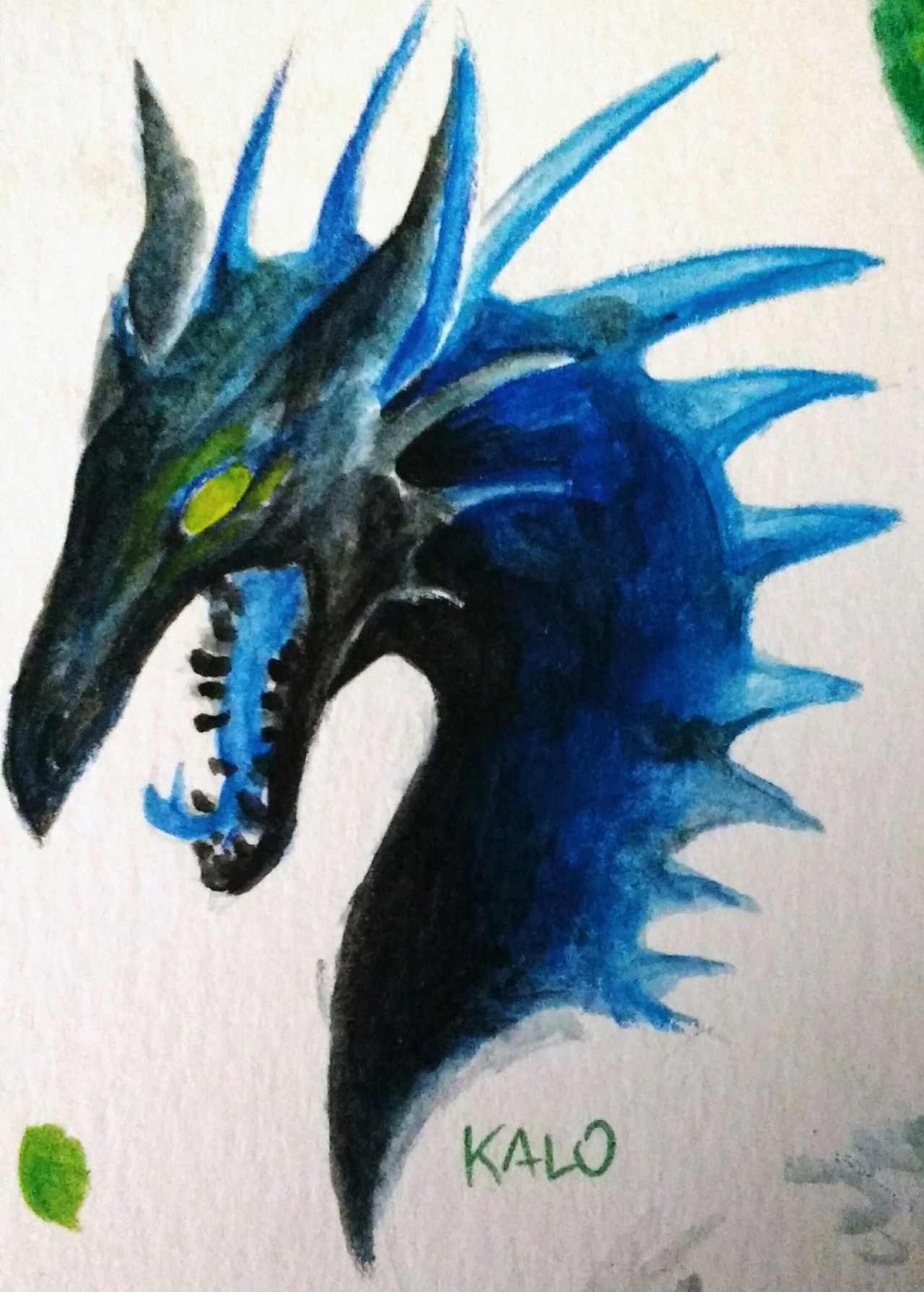
Hest, staggered by Sedric’s refusal, chases after him briefly before the approach of dragons frightens him. He seeks a bath to restore himself, in which he finds Kalo. Hest attempts to dominate Kalo, failing utterly, and being eaten for his arrogance.

In Hest’s death, I note a(nother?) parallel to Kennit. Both of them find themselves short of a leg (Kennit here). Although it would be a wonderfully tidy bit of writing to have the serpent that took Kennit’s leg be the one who became Kalo, it does not appear to be the case; even so, the amputation does put something of a neat little bow on the parallels between the two characters. Aside from their endings, both come from Trader stock, both have unfortunate relationships with their parents, and both have narcissistic and masochistic tendencies; they both speak to something of a type in Hobb’s writing (which extends to Regal Farseer, as I’ve remarked–here and here, for example). I’ve not done the updating on the Fedwren Project that I ought, certainly, so I am not as aware of whether others have explored the type as I ought to be, but if they’ve not, it seems a useful line of inquiry to follow.

Another thought occurs as I reread the chapter. If it is the case that the Traders are mimetic of the early US, absent some (but far from all) of the perversities that accompanied the settlement efforts, and if it is the case that the progress towards and into Kelsingra mimics the further colonization of the Americas (as I’ve suggested, here and elsewhere), what does the nascent Elderling civilization in and around the renewing city become? In some ways, it seems Kelsingra is moving towards something of a utopia; the romantic aspects of the present chapter and Sedric’s discourse seem to further comments made earlier, and the notion Alise voices of Kelsingra offering many the opportunity to simply start their lives anew, if at the cost of significant work, is certainly an attractive one. Indeed, as I think on it further, I am put in mind of the “city on a hill” rhetoric that is so often espoused. How “true” that rhetoric is in the real world is an ongoing question whose answer is almost always some nuance of “not so much,” but in the Realm of the Elderlings, is it perhaps being set up to be more true than in the historical and contemporary antecedents? It would not be the first work to present what might be taken as an idealized society, of course, although for whom it would be ideal, both in milieu and outside, would still take more than a little untangling.

I remain available and happy to write to order for you;
Fill out the form below to get started!

← Back

Thank you for your response. ✨

Or you can send your support along directly!

Never Too Early

A month’s already passed away,
Already it’s been buried
After it to its fresh grave
Was all too swiftly carried

*insert Jaws theme here*
Photo by Tim Mossholder on Pexels.com

The war persists that, long-proclaimed
By who fight its defense,
Stresses the reason for the season,
If not e’er as intense

Who are assigned attacker’s roles
Much disclaim foul intent,
But those who angry voices raise
Do not believe them yet

Get ahead on your holiday and birthday shopping;
bespoke writing makes a great gift,
and you can get yours started by filling out the form below!

← Back

Thank you for your response. ✨

Or you can send your support along directly!

Pankow, I Ain’t

Not fronting a hideaway
I still find myself presented with
Confronted by
Not a cowboy puppet
But other things
Snippets of songs and shows I remember
Seeing or hearing about
Because I did not listen or watch them
When I was young
So much as I was young
Being taken up by other things
Older yet than I am
And by some years

Not my instrument.
Photo by Teja J on Pexels.com

How can it be
That I long for things I never knew
Seeking in them for something new
Despite their age?

But there is this
At least
My longings are for things that were
Not for things that have never been
And I think little harm would follow
Did I get my wish

If you’re ready to take your next step forward,
Fill out the form below, and we’ll begin!

← Back

Thank you for your response. ✨

Or you can send your support along directly!