I had been hoping to hear Wilson, Ballard, and McGlown Harmonize over sweet horn-work But I am stuck with lesser writers than they had Who pen far poorer songs for singers who should Not so much as audition for the frogs’ parts Or the crows’
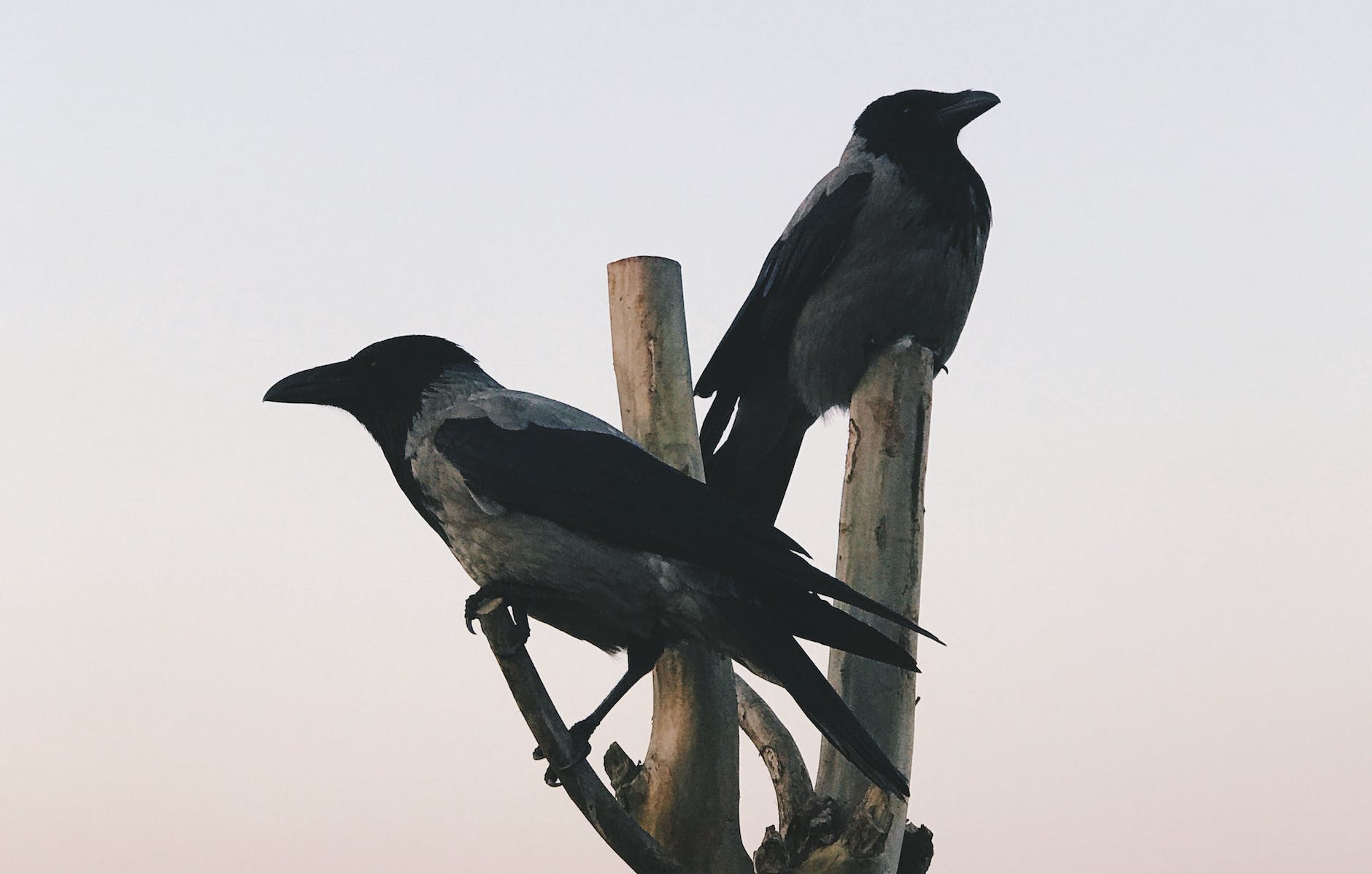
There can’t be any deeper meaning here, can there? Photo by Sami Aksu on Pexels.com
The latter Of course Got many auditions And are amply cast Richly costumed And if there are a few who play the ravens’ parts Thought and memory perching on the shoulders of the mighty Whispering what is needful to hear There are more who croak out corpse-breath with glee Before bending their beaks to feast again
Maybe you need some help with your song lyrics? I can provide that help–at reasonable rates and with no AI hiccups! Curious? Fill out the form below for details!
Last week It was clear that Notus Servant of Aeolus and son of Astraeus Stopped off for a bite to eat along the way
Oh, yes! One of many images of good eating from a Hill Country restaurant, used here for commentary
He had the migas plate I am sure Possibly the chilaquiles Definitely several cups of coffee Maybe another side of refrieds or Extra el charro Which he shared with us only later If in abundance
I’m pleased to offer focused, to-order compositions, all person-written–no AI! If you’d like one (or more!) for yourself, fill out the form below!
Read the previous entry in the series here. Read the next entry in the series here.
After a seemingly clandestine message from Kim in Cassarick to Hest Finbok that affirms concerns raised earlier, “Kelsingra” begins with Alise stalking through the streets of the ruined city, mentally categorizing and interpreting what she sees in something like an exercise in amateur archaeology. The strange condition of the buildings and the occasional echoes earlier presentations of the city, and Alise muses on matters at some length as she surveys the site. With thoughts turning to possible futures, Alise confers with Leftrin, who notes the problems that face the expedition despite best efforts being made by all members of the party. Alise offers a solution to at least part of their problem, but Leftrin argues against it, citing the reasons it would not work and that they should not attempt it. Leftrin’s own proposal receives similar treatment from Alise in turn, and the two make to return to the Tarman together. They are interrupted in their progress by an encounter with an agitated Heeby and a stricken Rapskal, to whom they attend. Reviving him from strange visions, they proceed.
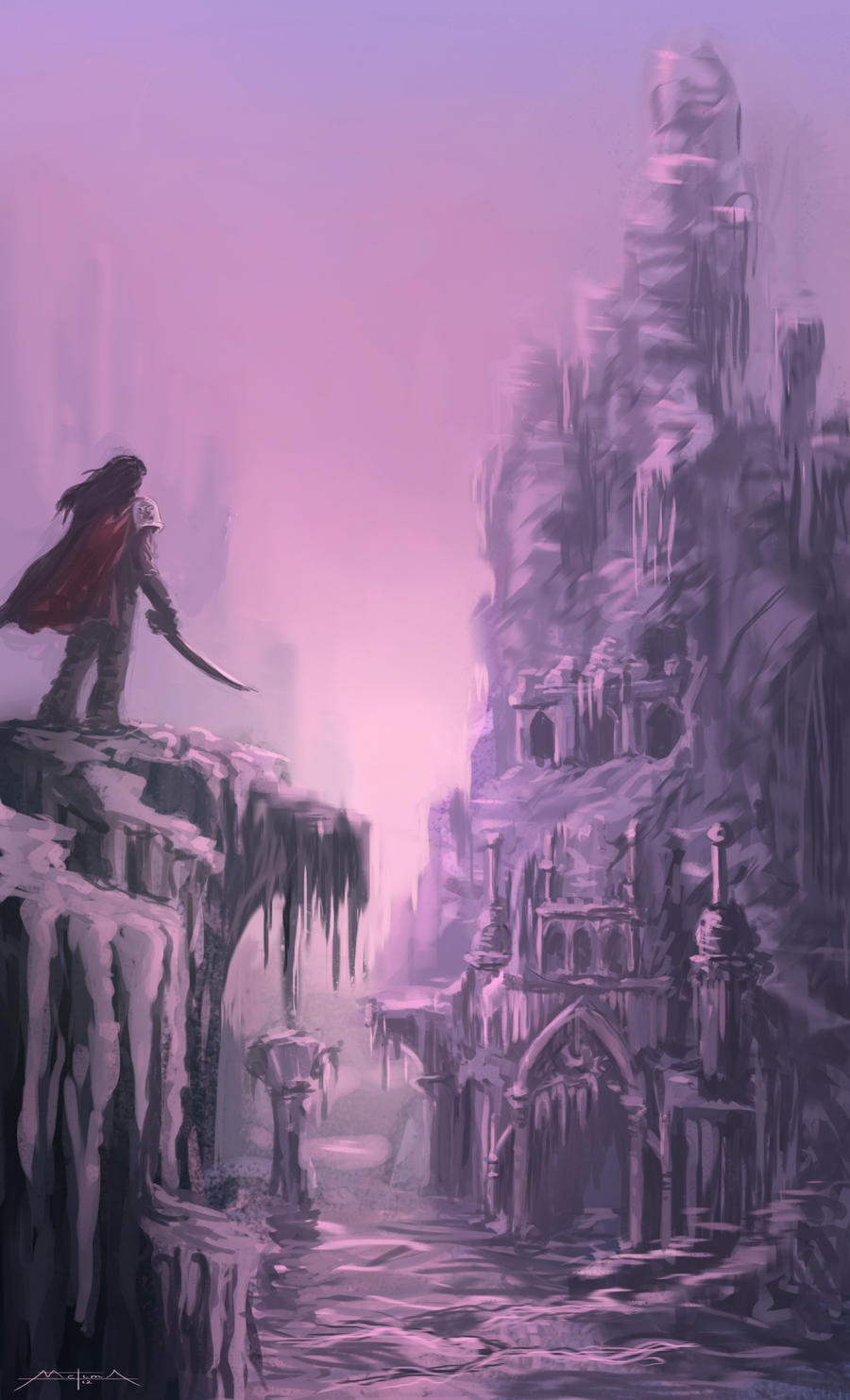
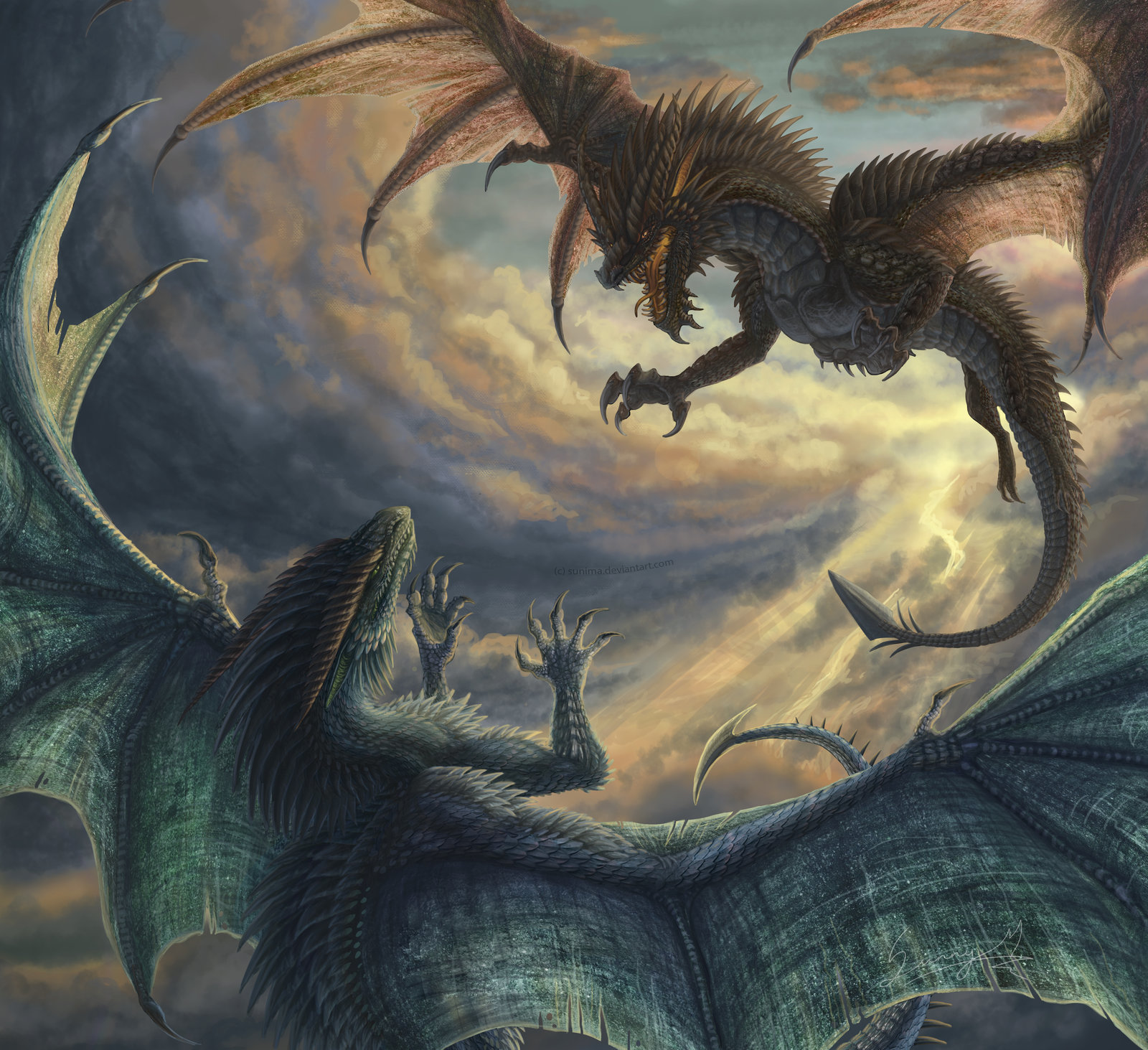
It returns! Once again, Frozen History by MeetV on DeviantArt, here, used for commentary.
Heeby bears Alise and Leftrin back to the Tarman in turn. Alise considers the experience as she is taken aloft. Leftrin watches anxiously as she goes, Rapskal offering some cold comfort as the two confer about Rapskal’s experience with the carved stones of the city. Leftrin presses Rapskal for details and receives cryptic answers about the purposes of the memories embedded in the stones. Given the responses, Leftrin opts to send Rapskal on ahead, awaiting a later turn to cross the river back to his ship and crew.
Before getting into discussion of the main chapter, I have to note once again my appreciation for the prefatory materials for each chapter–and their integration. I enjoy getting the sense that the narratives I take in take place in a world that exists outside the context of those narratives, and while this sometimes must mean that such indicators only tangentially affect the main narrative, it is also a pleasure to see them tie into themselves. It’s a bit of storytelling craft I like seeing at play.
As to the main chapter: I appreciate that Alise, even in the act of surveying what is present in Kelsingra, begins to move from simple recording into interpretation of data. It’s something of a popular misconception, I find, that the work of those who look to the past–be it in formal histories, in archaeology, or in older literatures–is a matter of rote memorization, a “these-are-the-facts-and-you-have-to-know-them” approach to the echoes of lives lived (sometimes not-so-) long ago. But it is not, or it is, at least, not only that. Yes, the available information has to be recorded, but the record has no meaning until it is acted upon; meaning and understanding are necessarily matters of interpretation. Indeed, even the selection of what merits inclusion in any kind of formal record is an interpretive act. (Consider: there is no way to take in and put down all of the possible data, so only what’s “important” gets noted. But how does a person know what’s “important” in a given context? By making an interpretation, hopefully based on an empathetic understanding deriving from intensive training and study, but always necessarily reflecting the inherent and ingrained biases present in the person making the record.) And, as Leftrin motions towards, the earlier interpretations will necessarily influence those that come later on–something with which my own trained field grapples, not always well.
Clearly, there is more work to do.
I continue to offer bespoke, human-crafted writing with no AI! Need more details? Fill out the form below!
Who finds that affliction must measure steps well Goes halting forward when called to proceed Sometimes wincing at the feeling of it
The touch of one well loved kneading Rump roasted in another oven long before Rewards with relief the one who relishes it Chastely but nearly enough to not
The one who seeks for wisdom Whose insight is surpassing That one will be able to say what it is
Like the way I write? Want me to do it for you? Fill out the form below to get started!
Right at half a year ago, I wrote a bit about the darkest day of the year. Today is very much not that; it is, as might be expected, the opposite, being the brightest day of the year. With that different light, some of the things I note in the earlier piece might bear a bit of examination.
I noted then that the seasonal progression matters less here than in many places. It remains true as I write now, with the weather tending toward the hot and dry(ish; there’s often vexatious humidity in the morning, but less often rain, and less with each month until after August). The rich greens and grainy ambers that mark summer in no few places in the country do not feature here so much as in those places; the greens are fading to browns, and even the blue sky hazes over with the heat. The echo of Jack’s bullwhip is long faded away, and Aestas has taken up her dancing residence here again, Auxo attending and putting on her own show, Ainé and Theros kicking in the chorus as Damia beats out a rhythm that pounds behind the stretching foreheads drying out in the daytime and cooking to deeper browns under fading hat-brims.
The seasons are shallower here, I think, the troughs not so deep as, even if held higher than, in many places. I will do what I can amid such exaltation, sitting in the shade and what cool I can find, knowing I am no longer fit for doing otherwise if ever I was so. Or else I will lay in a fire outside and let it smolder while I sit and tend it and pretend I am some other thing than I am. After all, Robb Walsh has the right of it, and while some perversities are ascribed to me, that one on which he remarks will not be one of them.
I remain happy to write to order–and to avoid AI shenanigans as I do so! If you’d like to place an order for yourself or someone you know, fill out the form below!
Read the previous entry in the series here. Read the next entry in the series here.
A message from Detozi to her new relation, Erek, commending him and advising him precedes “Pathways,” which begins with Thymara considering her upbringing in the Rain Wilds and the disjunction from it to her present circumstances near Kelsingra. Local geographical features, described, intrigue her. The difficulties imposed on her by inclement weather and degraded equipment are noted as she is joined by Tats. As they proceed together, the two talk about the likely permanence of their relocation, and Thymara finds herself assessing her long-time friend again. The gain and loss involved in the relocation receives attention, as well, and Thymara carefully considers the options available to her–including in terms of relationships, returning to the ideas of social sexual taboos that she had been raised to respect.
The conversation between Thymara and Tats is interrupted by her sighting game, which is described. Before the hunters can seize upon it, however, Heeby falls upon it, fouling Thymara’s shot and taking the meat. The hunters move on, getting distance from the feeding dragon and the smell of death that will drive other quarry away, and they talk about their relationships with their dragons–and hers with her family. They are interrupted again by the arrival of Rapskal, who apologizes for Heeby’s interference in their hunt before annoying Tats into stalking off. Rapskal asks Thymara to go to Kelsingra with him to show her something.
Thymara reflects on her one sojourn to the ruined city, which is described in some detail. The strange juxtaposition of desolation and preservation receives attention, and the sound of wolves drives most of the keepers away. Rapskal, however, carried by Heeby, visits frequently.
Rapskal reiterates his plea to Thymara, which she refuses, citing the need to feed Sintara. He grudgingly offers to help her hunt, and she similarly accepts his offer.
Elsewhere, Selden is rousted brusquely and in some confusion, roughly assessed by his enslaver and a potential buyer. Selden protests the treatment proposed of him, but the enslaver and the potential buyer reach an accord, and terrible proceedings begin.
The description of the game sighted by Thymara and taken by Heeby reads to me as nothing so much as a moose, which could “have slung a sleeping net between the branches of his two flat-pronged antlers….His shoulders were immense, and a large hummock of meaty flesh rode them” (49). While moose do occur in Eurasia, they are most commonly associated with the subarctic regions of North America, another suggestion that the Realm of the Elderlings is well read as borrowing more from the New World than the Old. (Someday, perhaps, I will return to the project in a more sustained way; I do not know if I have another chapter in me on the subject, but perhaps I do.)
Less fortunate a parallel is in the enslavement of Selden. The degradations and desecrations involved in slavery in the Realm of the Elderlings novels are attested early on and in detail, and matters have not improved. Indeed, Selden fares worse than his brother did, not indentured against debt but flatly treated as butcherable livestock despite the acknowledgement by his enslavers of his sentience and, indeed, humanity. I cannot help but perceive the echoes of the system of chattel slavery that marks the early history of the United States, the effects of which remain all too present in the lives of all too many. This is not to say that other times and places did not have their own barbarities; of course they did. But that others have done wrong does not excuse the wrongs one does; whataboutism is a distraction, and tu quoque is long identified as a fallacy for good reason.
As I consider the matter of parallels further, I find myself somewhat stymied. If it is the case, as I have argued, that the Realm of the Elderlings should be read as a fantastical gloss on the Americas (not so much as Gernia in the Soldier Son novels, as I have had recent cause to reflect upon, but still), then I have to wonder what Kelsingra ought to be heard as echoing. Should the ruined streets and broken towers be regarded as some refiguration of X̱á:ytem, perhaps, or Cahokia? Do the cyclopean remains of Chichen Itza offer an antecedent, or does Teotihuacan, or Copán, or Tenochtitlán? Or is this, instead, a case where the fantastic emerges from the mundane, the miraculous from the quotidian?
I confess to not being adequately informed about any of them to offer any kind of useful answer to such questions–only just barely enough to be able to ask them. But perhaps others, more knowledgeable, can offer those answers.
I shall read and learn eagerly from those who do.
I remain happy to write to order, eschewing AI; get more details by filling out the form below!
It has been eight years since the first post on this website, eight years I’ve been working on Elliott RWI. As I write this, another in a series of annual reports on the state of the site, I have published 1,370 posts to the blogroll (this will be post 1,371), and I have revised individual pages, collecting 101,081 views from 32,423 visitors as of this writing. In the last year, therefore, I have made 157 posts and collected 35,804 views from 9,748 visitors (based on “Reflective Comments about the Seventh Year”). Performance is up from last year–and, in all measures other than number of posts made, higher than in any previous year.
Of the three figures below, the first displays posts by year of blogging. The second shows views by year of blogging, and the third shows visitors by year of blogging.
I remain pleased to be able to continue doing this kind of work, and I look forward not only to another year of it, but many other years of it. I’ve enjoyed doing the writing I’ve done here, and I’m gratified to have learned that at least some of it appears to have been useful and/or enjoyable to others.
She sprayed from where her tufts parted Soaking who stared up at the show And showering many with her gifts Openly displayed in the daytime no less than Shared in the evening and the night
I’m sure there’s some connection… Photo by Gareth Davies on Pexels.com
But now she suffers no touch And those who looked on are left Hot and humid amid swelling hills Damp despite the distance from the depths they would seek And that wetness they desire Is held above their heads Taunting and teasing Doing nobody a damned bit of good
Seasonal or otherwise, I happily write to order–with no AI involvement! Fill out the form below for details!
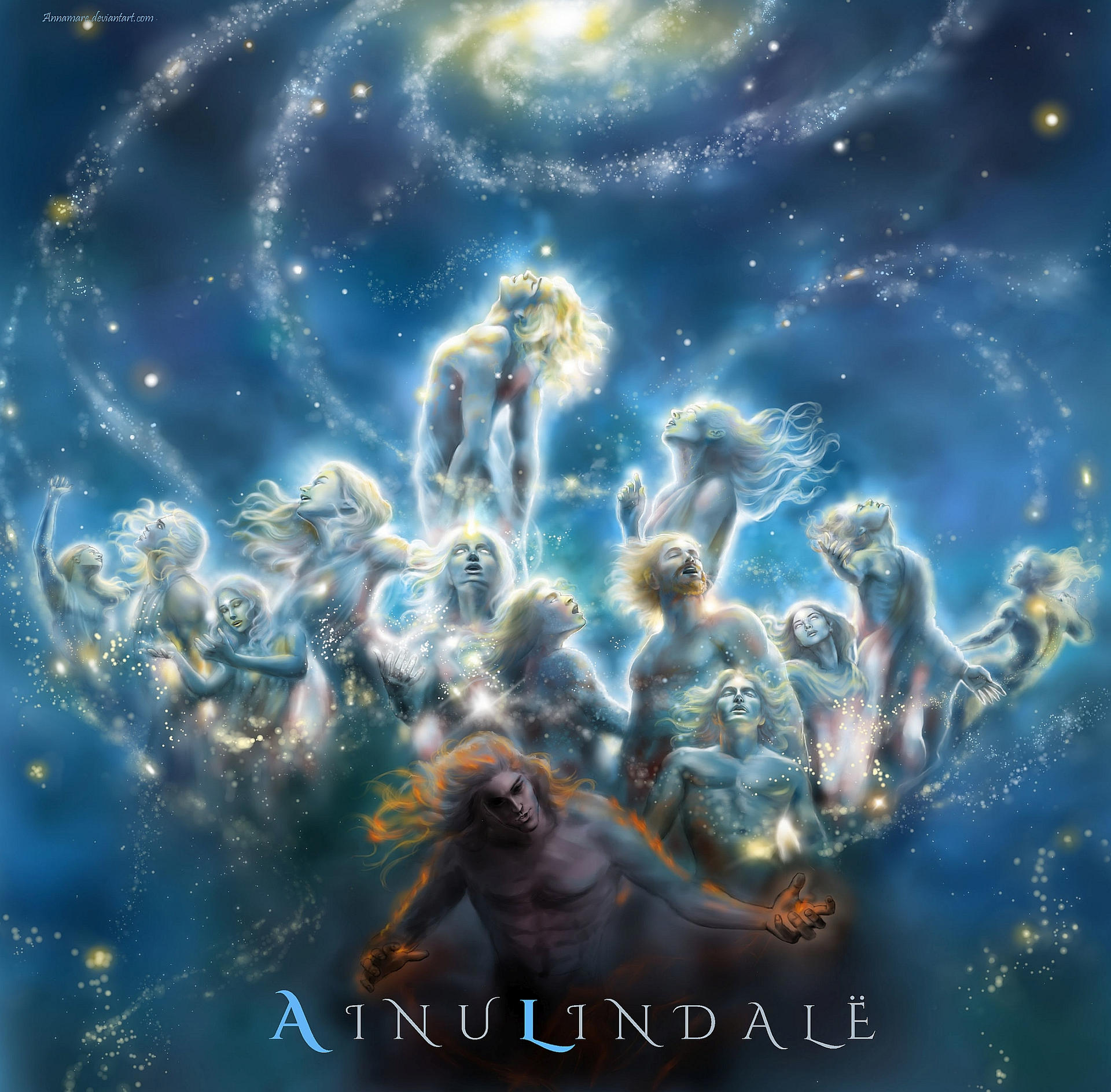
Melkor amid the Ainur’s music Striving to drown out all the others And I am but one voice among the many Not so loud as might be found Never so sonorant and rarely a soloist No soaring tenor nor throbbing bass And soprano only in distress
There is no Eru to lift up hands and fear-making face Silencing the cacophony and ending both the Song and its despite So I can but carry my tune Even if the bucket is leaky and its handle cracks While the bleating brays on beating out a tattoo unceasing In its unimaginative dissonance and guttural refrain
Like what I write? Fill out the form below to see what I can do for you!
Read the previous entry in the series here. Read the next entry in the series here.
Following an extended acerbic commentary from Kim in Cassarick rebutting allegations made, “Dragon Battle” begins with Sintara assessing the situation in which the dragons find themselves., pining over the loss of what she and they should have been. She muses on flight and upon mating, growing annoyed, and thinks about Thymara until interrupted by the awkwardly-landing Kalo. Kalo prods her to attempt flight again, and she reacts harshly, provoking a fight among the males present. Mercor interrupts the fight, defeating Kalo and rebuking Sintara. She stalks off, where Thymara confronts her as she begins to tend to her injuries, and Sintara begins to soften slightly toward her keeper as she returns to the other dragons, assessing events. But only slightly; their continued conversation about flight annoys the dragon, and she sends her keeper hunting as her thoughts turn again to Kelsingra.
Sedric calls to Carson as the latter faces Kalo, urging him to calm as his own keeper is retrieved. Said keeper and another, Davvie and Lecter, have been irresponsible in their affections, provoking comment from Carson about his nephew. Sedric finds himself thinking about dislocation and of his lover, and Carson extends amiable gestures that please the Bingtowner. Sedric marks the ways in which Carson is changing under the influence of his dragon, and his mind turns to Hest. Carson marks it and asks after it, praising Sedric for the ways in which he has changed in the Rain Wilds. The possibilities of the future, good and bad, ring through Sedric’s mind, and he and Carson confer as they work together. Carson notes Sedric’s increasing capabilities, sparking pride in the man.
Once again, I find myself reading with affect as I reread the present chapter. I’ve not made any secret of growing up in a family of tradespeople; I’ve also not made any secret of growing up and living again in the central Texas Hill Country. Both push towards physical labor as a means of making a way in the world. I, however, have always been…brainier than I am brawny. While I carry more weight than is good for me, more of it is flab than muscle-slab, and while I am a willing hand to many things, I am not as able of one as would be best. A recent experience of doing some work around my house reminded me of it, pointedly and unpleasantly. (I’m fine, thanks. Just clearly not used to doing much physical work anymore, if I ever was.) So I find that I feel for Sedric in the present chapter, not because I am a long-closeted man who is finally able to be open with an understanding, non-abusive lover, but because I am a bookish sort among hand-working folk, and I am aware of the lack in myself.
I read the section focusing on Sintara and Thymara with less affect, to be sure–I do not have much, if anything, in the way of shared experience there–but not with less attention. I find it of interest that Thymara’s choice to abstain is so poorly regarded by other characters in the text as it is; while it is the case that some of Thymara’s choice is culturally driven, some of it is wariness of likely consequences (the observance of which seems like it ought to be lauded), and, in either case, the decision on whether or not to have sex is and should be hers to make. Yes, Thymara is somewhat naïve to think that things can always remain as they once were–a naïveté to which I think many fall victim, myself not excepted–and she might well be questioned, in character and by her readers, for it. But for deciding, as her culture dictates, as her presumed readership’s culture presumably dictates (because even more than a decade after the novel’s publication, there remains an expectation of chastity on the part of young women that is not applied to other populations), to withhold her intimate affections, knowing the consequences of indulging them in an unsettled environment and as a member of a population with a low rate of successful births, she should not be.
And, really, none of her readers’ choices in that regard should be questioned, either. Just in case you think I’m more worried about the page than people.
I continue to be happy to offer my writing services–all human-done, with no AI involvement–at reasonable rates. Fill out the form below for details!








 Elliott RWI