Following on from last week’s session of the tabletop roleplaying game I am running at the local library, I reminded the players that the current “term” ends on 30 April 2026–three weeks hence. I also revisited the question from last week of why so many roleplaying games continue to employ ambiguously (neo-)medievalist settings, such that doing so is the dominant model of the genre. That is, there are tabletop roleplaying games that get away from the (neo-)medievalist–Deadlands and Traveller come to mind as examples–but most have operated and continue to operate with the base assumption of a vaguely feudally stratified society (with interestingly poly- or henotheistic tendencies); why this would be so was the focus of the brief preliminary discussion at the table. Such concerns, speaking to genre-features and -histories, as well as to some philosophical considerations, allowed the stated need for overtly educational content to be addressed well enough, I think.
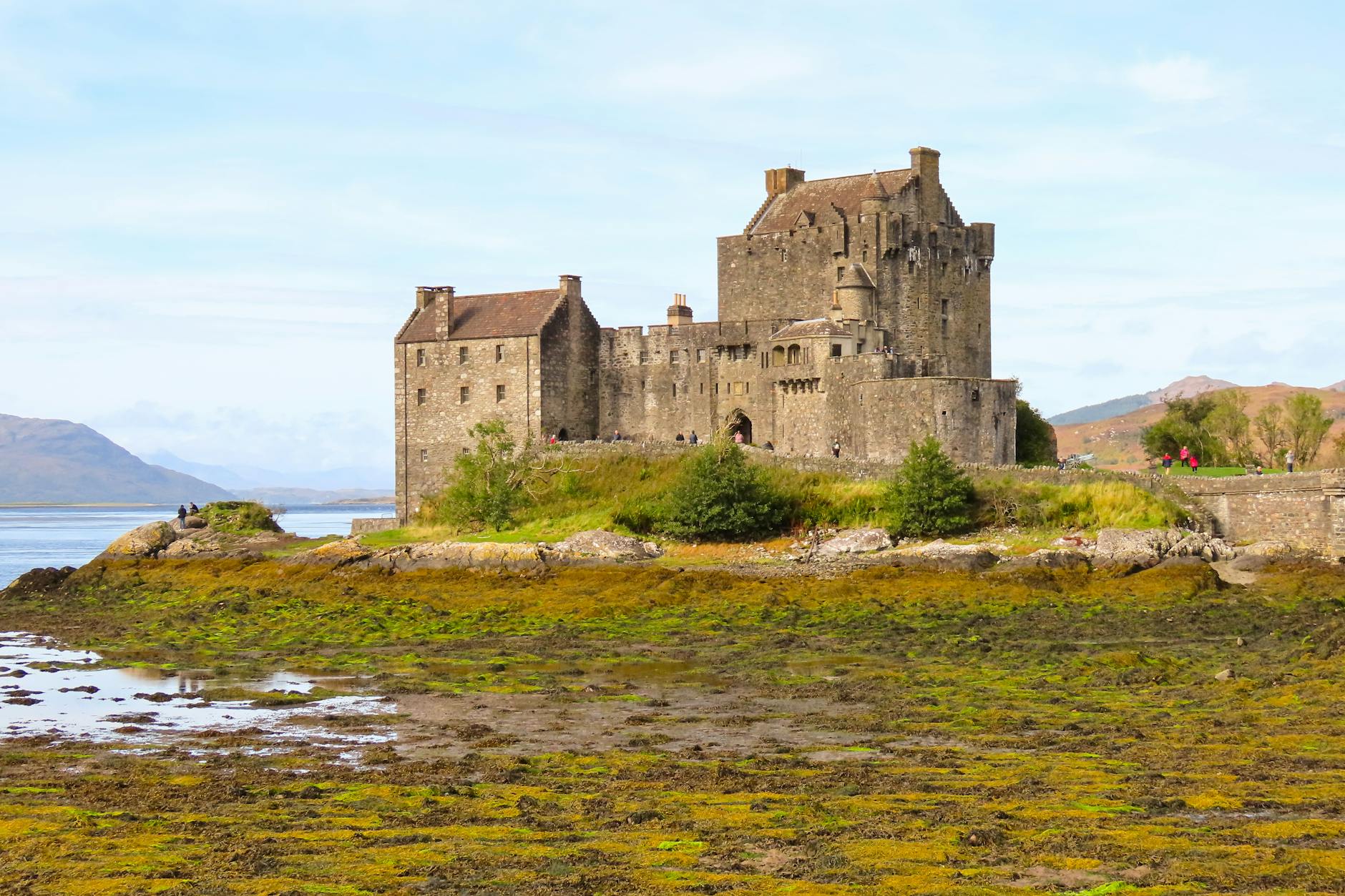
Photo by London Aaga Bits – LAB on Pexels.com
As far as play goes, the players continue to fall into a common trap: overthinking. It’s a natural enough thing to do, of course; access to information within a game is limited by narration, so asking many questions to elicit additional information is a good and useful thing. But, like most things, it can be overdone, and easily. Take, for example, an exchange from a previous game, in which one player’s character repeatedly investigated a small altar because “there has to be a button.” Given the context, the character was unable to find such a button and was told as much in more or less those words; failing a check when one is present and succeeding at one when it is not will yield the same result. That there was not such a button present flatly did not occur to the player; only reluctantly did that player move on to the next thing, and even then, the player was certain there was something to find.
In this week’s session, there was another example of such. The party, still second-level characters, faced a gelatinous cube. One of the players sought to have another player’s character, bolstered by magic, pass through the cube to see if it could be bypassed rather than engaged, thinking to use a rope to pull other characters along. The thought process was that the available magic would allow moving through what is, in essence, a sliding open stomach without injury and without it pursuing the party–none of which was evidenced by the creature’s behavior, and all of which ran counter to actions taken up to that point, including by the player’s own character. Dungeon crawls do, admittedly, constrain action, such that they provoke thinking of ways to get around things, but there is often no way but through.
There is some amusement in watching such things happen, of course. Players do it to themselves with very little prompting; I know this well, having often been a player, myself, and not seldom having fallen into such traps both in games and in “real life.” It does make for ease in planning out games, too, as things will take longer than might well have been anticipated–and there is no telling what will prompt such zeal. And it can open other narrative avenues, to boot; what players take interest in is ripe for expansion and development into future games…if there are future games. In such situations as the present, with a seemingly clear end looming, it’s not quite so good, even if it is seemingly inevitable.
If you’d like some game stuff for yourself, let me know below; I can help!


 Elliott RWI