I believe I’ve noted that have been participating in an alumni band, bringing together people who had been in the same bleachers and on the same fields and stages across years to wind their horns and bang their drums again. We played, a few of us, in the spring, and we play again, a few more of us, tonight at the stadium where each of us once marched.
…put your shoulders to the wheel… Image source should be noted in the image and is used for commentary.
It’s a pleasure to do so again, of course. A large part of why I wanted to be a band director when I grew up was to be able to continue to participate in that kind of thing. (I know better now, of course, and severally.) I’ve done a few things, and I’ve even enjoyed some of them, but one of the most sustaining and rewarding has been to sit in an ensemble with others, making music together. I’ve not played for money much, but for enjoyment, and much as I might (or might not) practice, it’s the camaraderie that matters for me.
I look forward to tonight, and I look forward to the possibility of doing it again…and again, and again…
Kept my mouth shut except to Make the kind of small talk that is expected And that greases so many things Palms of hands that reach out to open doors And usher those through who apply that oil Or Focused on producing papers instead of grading them Because the comments didn’t get much read If what came in after is any sign And it would seem to be Or Stayed in school at the one school instead of going to another Taken advantage of the opportunities I did not know were there Because I did not pay attention to that kind of thing Not knowing that I needed to do so Because who would ever have told me that when Study hard and get good grades Was still the rule of the day Or Stayed in school at the once school a little longer As long as I had been expected to, really, As long as most of the rest of them did And maybe I would have won things for which I was in the running Before I tripped over my own feet And one or two conveniently stuck out in my path Amid snickering
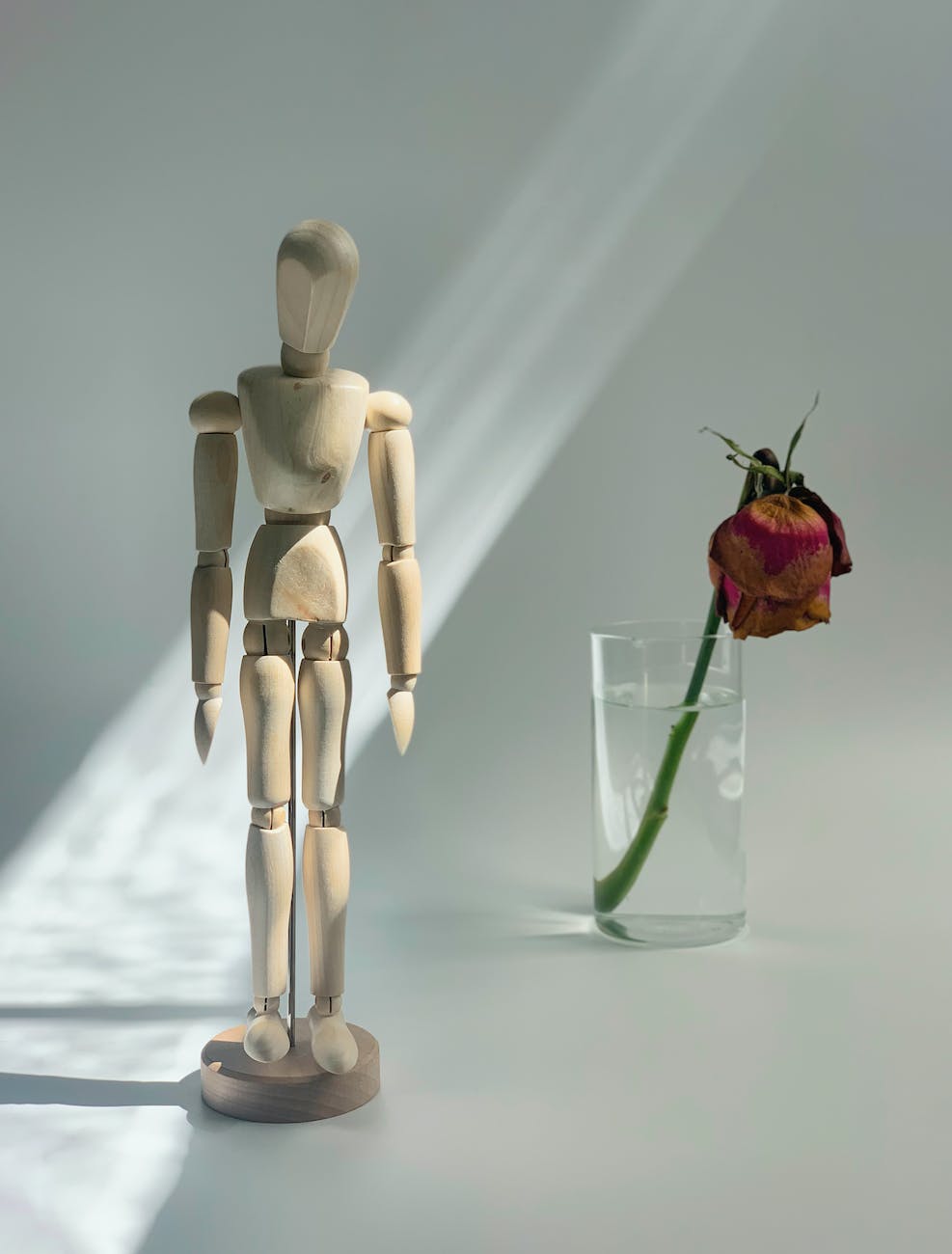
I dunno. It’s artistic, or something. Photo by Kulbir on Pexels.com
Been nicer to that one kid in Kindergarten Not tried so hard to shove how smart I was down their throats afterward Tried so hard to get out of being wrong Read a book instead of looking at a screen Practiced my horn instead of reading quite all of those books Gone out and done instead of staying in all those nights Been working instead of going out with friends Made friends instead of making grades Because it isn’t what you know Because you can always learn something else But some lessons only get offered once And I skipped those classes in favor of attending others More normal More formal And a lot of good it did me If good is measured by creditors’ ledgers And therapists’ bills
Like how I write? Have me write for you! Fill out the form below to find out how!
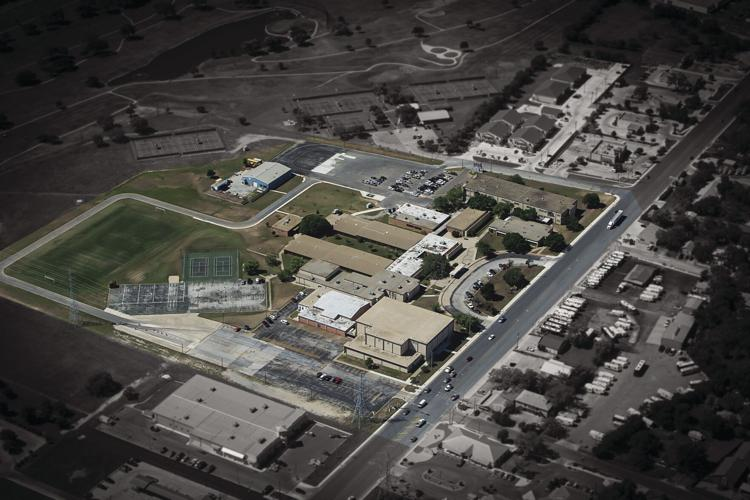
Not so nice as this… Photo by Pixabay on Pexels.com
Still sitting Still sitting On no pallid bust of Pallas That allegiance long forsworn Chasing after Mammon Though shoes and feet are worn Clutching after castoffs Grabbing them up though forlorn Eating of them, greedy Of all dignity long shorn But stopping is the other choice And stopping earns all scorn
Like how I write? Get in touch; I can write for you!
The skin is peeled away The sagging muscles and drooping sinews The rotting bones showing to the world And though I did not always enjoy being inside her– More so when I entered through one door than through another And found myself blowing something in my own mouth– Seeing her abandoned so and Flayed Decaying Carrion worked over by scuttling things As I pass by again and again My own heart is bared to the Hill Country sun And the winds funneled between the limestone swellings Covered by oak and cedar and mesquite Moisture unforeseen squeezed out
I used to drive a lot Threading my way through the byways And speeding along the highways Knowing where I was going and Skipping the scenery along the way as I Made sure that I got there
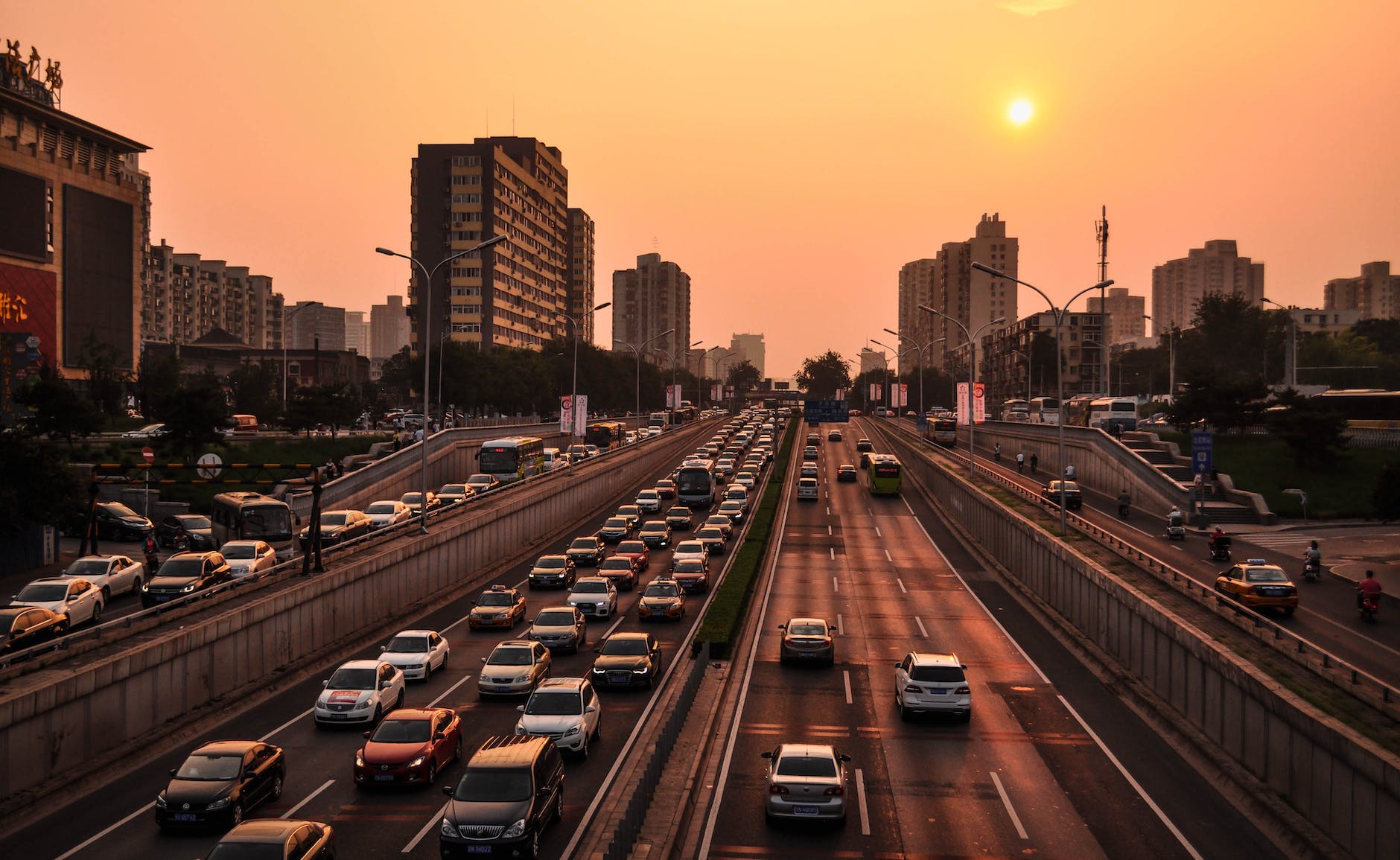
I might be over on the sidewalk… Photo by Pixabay on Pexels.com
But the car I drove then has gone away Sold to cover one debt or another And I’ve lost track of how much I owe to how many people And I managed to get by on buses and trains for a time Since I lived where they run And still knew where I was going And hurried along to get there Focusing on how and how quickly Not thinking about why
I had to buy another car When I moved away from there Not because I’d stumbled upon Texas tea Not because I moved to Beverly But because I still thought I knew where I was going And thought I’d found a shortcut to get there And I was wrong on both counts
Here, I’ve bought another car And I putter along the local roads where I learned to drive Again Moving more slowly as others race by me Remembering when I was one of the ones who sped on Having somewhere worth being Being someone worth having
Like the writing that I do? Reach out, and I can do some for you!
Read the previous entry in the serieshere. Read the next entry in the serieshere.
Following a message between bird-keepers, the final chapter of the novel, “Decisions,” begins with Leftrin glossing days of the journey upriver. His increasing infatuation with Alise receives some attention, and he notes the changes to both dragons and keepers that have occurred. To his eyes, the keepers are becoming a community, and he finds himself wondering whether he must enforce the Rain Wilds’ customs regarding romance.
For a little extra variety… Photo by JJ Jordan on Pexels.com
Leftrin’s reverie is broken by Sedric’s approach, and his appearance is detailed. Sedric berates Leftrin for his conduct towards Alise, which accusations Leftrin denies, but Sedric’s explications of the social consequences takes him aback. Sedric presses on Leftrin to send him and Alise back downriver in haste, but their conversation is interrupted by a cry from shore, where the keeper Sylve notes the rapid decline of the copper dragon she had tended.
The other keepers attempt to comfort Sylve, and Mercor asserts the claim of the other dragons to the flesh of the soon-to-be dead copper. He urges the keepers other than Sylve to depart, and he tells Thymara Sintara’s true name. Sintara is displeased, but Mercor presses ahead.
Alise considers her situation in some distress, mulling over possibilities and her own growing infatuation with Leftrin. The paucity of her relationship with Hest contrasts with those possibilities, but she is shaken from her reverie by the tumult ashore. Setting aside Sedric’s protests, she makes to observe the proceedings, and Sedric is left to mull over his own fading possibilities. His continued attempts to take pieces of dragon for sale are noted, amid which, he tastes the dragon’s blood. Its effects begin to show upon him.
A frantic missive from Alise’s father and comments between bird-keepers about the same conclude the novel.
The romance novel tropes–at least, those of them I remember from my grandmother’s voluminous readings in the genre and the comments she made about them to me as I grew up–are out in full force in the present chapter, most notably the pull to act on forbidden loves and the distancing between love and higher social strata. Hest, as recalled by both Alise and Sedric, becomes less a stand-in for homosexuality, generally, and more an embodiment of the wealthy elite–although the associations between the two remain in place, certainly. I’m still not entirely sure what to make of it, honestly; it needs more time for thought than I have been able to give it of late.
As I continue reading, though, moving into the next novel in the series, I imagine I’ll find more to say.
Read the previous entry in the serieshere. Read the next entry in the serieshere.
Ater a message being sent from Jess to Sinad Arich, the penultimate chapter of the novel, “Community,” starts with the dragon expedition at rest for the evening. The keepers confer quietly aboard the Tarman, and Thymara considers their progress and the various groups forming among the keepers. Thymara also considers her infatuation with “Skymaw,” and she mulls over what she has been learning of dragons from accompanying so many at such length. Greft and Kalo present themselves to her as being something of a threat to the rest, and Thymara takes herself off into the tree canopy to hunt, taking a marsh elk and struggling to bring the meat back to camp. As she labors to that end, she is confronted by Greft, who contrives to assist her.
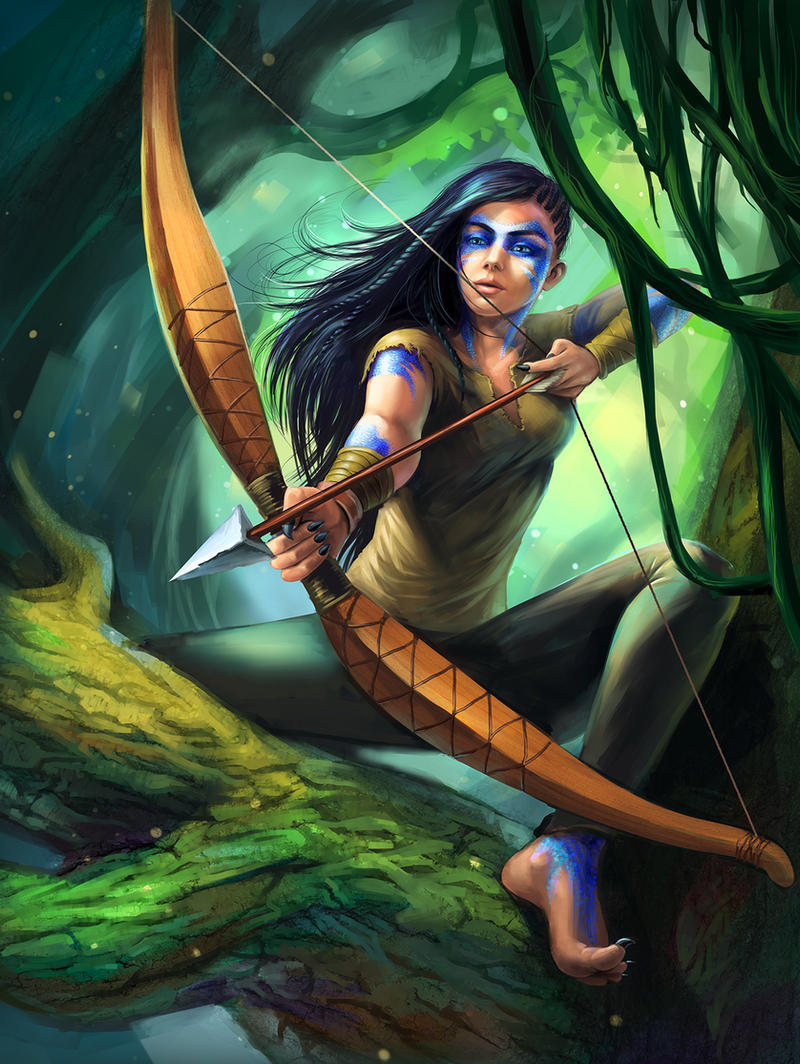
The mighty huntress… Thymara by Daria-Ts on DeviantArt, used for commentary
Alise reflects on what she has been able to learn from “Skymaw” and is interrupted by an anxious Rapskal who searches for Thymara. Aided by Sedric, Alise continues her documentary work, and mention is made that Rapskal has ridden Heeby. “Skymaw” rails at the news, offended, and Alise works to calm the dragon as Rapskal escapes.
Greft presses upon Thymara despite her unease and rejection, and Thymara hastens back to camp to deliver the first batch of elk. She finds Tats engaged in treating the injured dragon, and she enlists help to retrieve the remaining meat. The group she assembles finds Greft and his companions carrying it back already, and a tense exchange follows that is defused only by the need for haste. Confusion and factionalism begin to arise among the keepers, and discussion of the threat Greft represents continues. The need to adjust their social rules to their new situation also arises.
Thymara’s group returns to the dragons, distributing meat. One dragon, a copper, is weak and has to be persuaded to eat; the dragon’s condition improves upon doing so, and matters seem better for the group.
Ah, factionalism, inevitable consequence of human association and plague of all! But it is not as if the divisions among the keepers was not foreshadowed; Greft has been a fractious presence since his introduction, and he made no secret of his selfishness and willingness to manipulate others even then. I find myself wanting once again to read the novel against current events, to look for parallels to his character, which I know is not an ideal reading but does suggest to me that 1) the cultural moment in which Hobb writes is not ended and 2) the presence of the kind of people on whom Greft appears to my eye to be modeled argues in favor of the continuing value of Hobb’s writing.
Read the previous entry in the serieshere. Read the next entry in the serieshere.
A brief missive regarding payment for peas precedes “Currents” beginning with the continued progress upriver of the dragons, their keepers, and the Tarman. Thymara chafes somewhat at Tats having accompanied Jerd and being constrained to accompany Rapskal, and she notes the disposition of the other keepers. Thymara and Rapskal confer about events, and she begins to warm to him.
Charming young man, this… Rapskal by FloorSteinz on DeviantArt, used for commentary.
Leftrin considers shifts to plans as the Tarman and others shove off to follow the dragons upstream. He is interrupted in his preparations by the appearance of hunters and their gear on his decks: Carson, Davvie, and Jess. The former is an old associate of Leftrin’s, and he is introduced to Alise. Alise takes to her cabin to get out of the way and considers her earlier rebuke of Sedric and its implications, and they end up conferring about events and their mutual situation. After, Sedric considers his own relationship with Hest, rehearsing its beginning in some detail.
Sintara struggles upstream with the other dragons, some of whom fare worse than she does. Old memories rise within her, and she and the other dragons confer about what they recall. They are disturbed from their reverie by the emergence of riverpig, and a hunt for the creatures begins, Sintara killing one and devouring it in joy. Emboldened by their successful hunts, the dragons press on, Mercor leading them.
I remain troubled by the ways in which Sedric and Hest seem to be playing into stereotypes of homosexual behavior. It calls to mind depictions of Oscar Wilde, as well as more general negative presentations of male-male sexual relationships. There are several scholars who have addressed homosexuality–and queerness, more generally–in Hobb, as I have noted; their works are far better to consult on the matter than anything I might add. But I will note that I know Hobb knows better than to rely upon the stereotypes; same-sex intimacy is addressed earlier in the Elderlings corpus than the present novel, and with far greater nuance and authenticity. So there has to be a purpose here; it escapes me at the moment, but that does not mean it cannot be found…
When you have Time and time again Seen the same thing happen and Not bothered to lift a hand to stop it happening again And again And again Because you profit from the reoccurrence Claim you have to Make us safer Save our children
When have your children been the ones in harm’s way? When have your children been the ones not to come home After you kissed them goodbye that one last time If you ever did to start with And I don’t think I’m alone in having doubts about that
Even a pitviper cares for its children Cold-blooded venomous thing that it is And in its worst things does but its kind While you have a choice to do other than you have done And other than you mean to do again Because there is no sign from you that things will be different this time No semblance of suggestion that you will actually take some step that will work And it is clear why
You feast upon the suffering of others Find delight in the tears that you yourself will never shed Drinking it as nectar of the gods And feel yourself to be above us What matter if the people suffer? The people do not matter Only you To you And we damned fools keep letting it happen again and again and again and again Despite any Jeremiah preaching in the hills
Those who regularly read my blog–and thank you, by the way–will likely have noted a shift in pattern in the past couple of weeks. I haven’t been posting my usual updates to the Robin Hobb Reread, and I have been waxing verbose on other topics. This follows a broader tendency in my writing–namely that I have been fairly snowed under, despite the still-summer heat of the central Texas where I live.
Out of season, but still purty. Photo by nagaraju gajula on Pexels.com
I’m alright, as far as all that goes, but I’ve been busy handling some other things, is all. I’m not intending to give up on the projects I’ve been discussing. Just need to get a few other things taken care of first, is all. So I’ll get back on all that soon.
Until then, thanks for following along! I really do appreciate it!







 Elliott RWI