It has been eight years since the first post on this website, eight years I’ve been working on Elliott RWI. As I write this, another in a series of annual reports on the state of the site, I have published 1,370 posts to the blogroll (this will be post 1,371), and I have revised individual pages, collecting 101,081 views from 32,423 visitors as of this writing. In the last year, therefore, I have made 157 posts and collected 35,804 views from 9,748 visitors (based on “Reflective Comments about the Seventh Year”). Performance is up from last year–and, in all measures other than number of posts made, higher than in any previous year.
Of the three figures below, the first displays posts by year of blogging. The second shows views by year of blogging, and the third shows visitors by year of blogging.
I remain pleased to be able to continue doing this kind of work, and I look forward not only to another year of it, but many other years of it. I’ve enjoyed doing the writing I’ve done here, and I’m gratified to have learned that at least some of it appears to have been useful and/or enjoyable to others.
She sprayed from where her tufts parted Soaking who stared up at the show And showering many with her gifts Openly displayed in the daytime no less than Shared in the evening and the night
I’m sure there’s some connection… Photo by Gareth Davies on Pexels.com
But now she suffers no touch And those who looked on are left Hot and humid amid swelling hills Damp despite the distance from the depths they would seek And that wetness they desire Is held above their heads Taunting and teasing Doing nobody a damned bit of good
Seasonal or otherwise, I happily write to order–with no AI involvement! Fill out the form below for details!
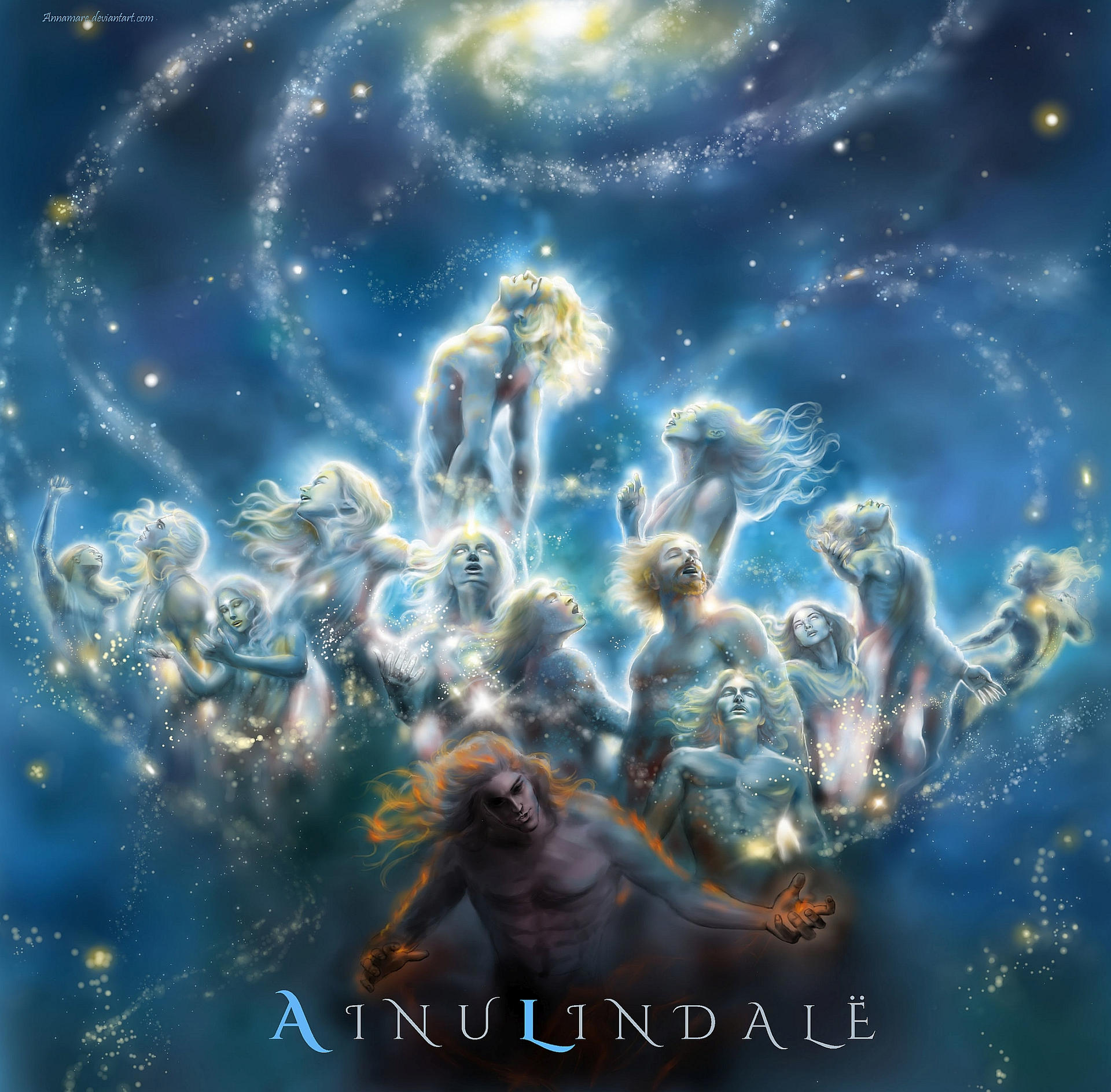
Melkor amid the Ainur’s music Striving to drown out all the others And I am but one voice among the many Not so loud as might be found Never so sonorant and rarely a soloist No soaring tenor nor throbbing bass And soprano only in distress
There is no Eru to lift up hands and fear-making face Silencing the cacophony and ending both the Song and its despite So I can but carry my tune Even if the bucket is leaky and its handle cracks While the bleating brays on beating out a tattoo unceasing In its unimaginative dissonance and guttural refrain
Like what I write? Fill out the form below to see what I can do for you!
Read the previous entry in the series here. Read the next entry in the series here.
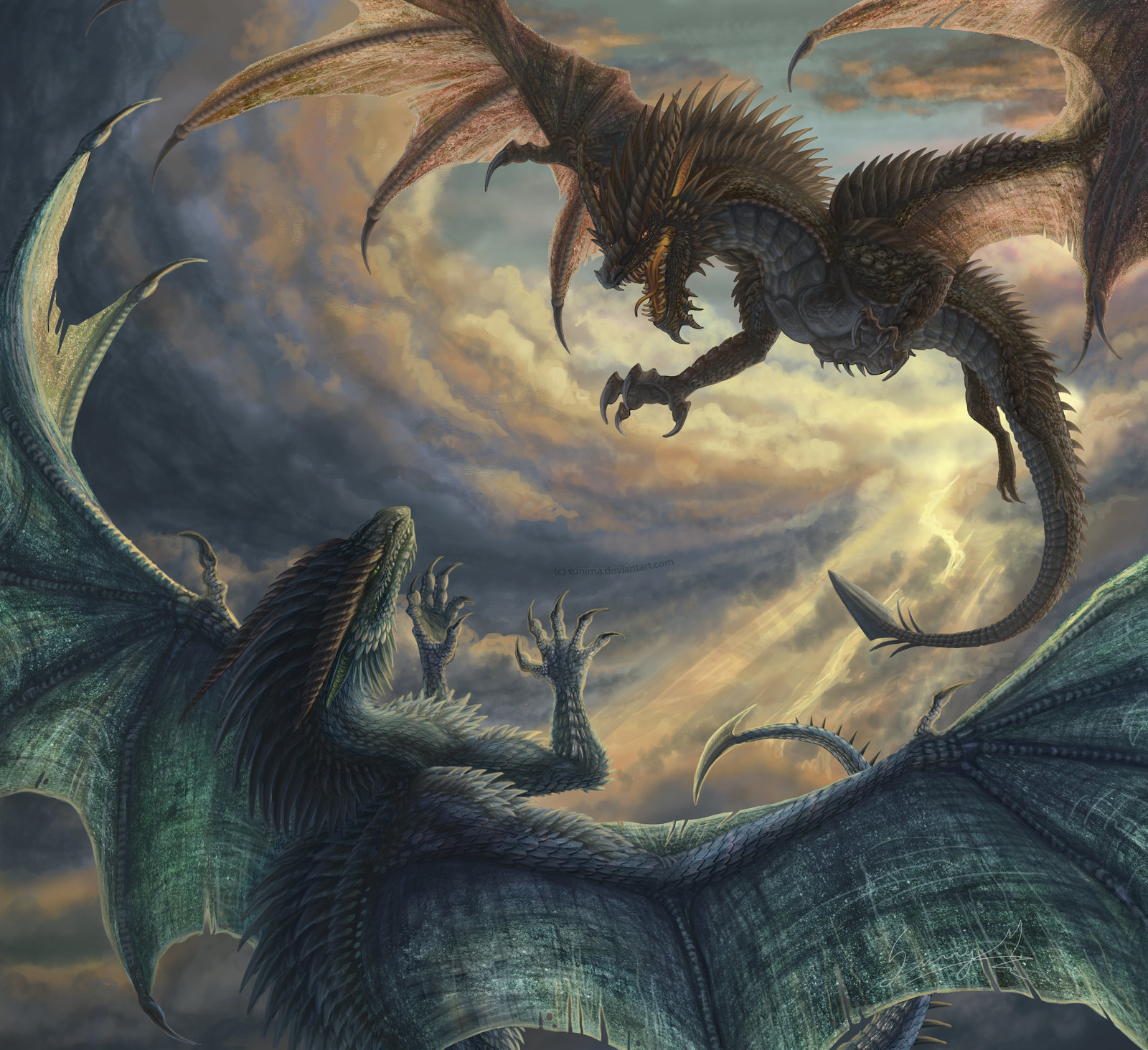
Following an extended acerbic commentary from Kim in Cassarick rebutting allegations made, “Dragon Battle” begins with Sintara assessing the situation in which the dragons find themselves., pining over the loss of what she and they should have been. She muses on flight and upon mating, growing annoyed, and thinks about Thymara until interrupted by the awkwardly-landing Kalo. Kalo prods her to attempt flight again, and she reacts harshly, provoking a fight among the males present. Mercor interrupts the fight, defeating Kalo and rebuking Sintara. She stalks off, where Thymara confronts her as she begins to tend to her injuries, and Sintara begins to soften slightly toward her keeper as she returns to the other dragons, assessing events. But only slightly; their continued conversation about flight annoys the dragon, and she sends her keeper hunting as her thoughts turn again to Kelsingra.
Sedric calls to Carson as the latter faces Kalo, urging him to calm as his own keeper is retrieved. Said keeper and another, Davvie and Lecter, have been irresponsible in their affections, provoking comment from Carson about his nephew. Sedric finds himself thinking about dislocation and of his lover, and Carson extends amiable gestures that please the Bingtowner. Sedric marks the ways in which Carson is changing under the influence of his dragon, and his mind turns to Hest. Carson marks it and asks after it, praising Sedric for the ways in which he has changed in the Rain Wilds. The possibilities of the future, good and bad, ring through Sedric’s mind, and he and Carson confer as they work together. Carson notes Sedric’s increasing capabilities, sparking pride in the man.
Once again, I find myself reading with affect as I reread the present chapter. I’ve not made any secret of growing up in a family of tradespeople; I’ve also not made any secret of growing up and living again in the central Texas Hill Country. Both push towards physical labor as a means of making a way in the world. I, however, have always been…brainier than I am brawny. While I carry more weight than is good for me, more of it is flab than muscle-slab, and while I am a willing hand to many things, I am not as able of one as would be best. A recent experience of doing some work around my house reminded me of it, pointedly and unpleasantly. (I’m fine, thanks. Just clearly not used to doing much physical work anymore, if I ever was.) So I find that I feel for Sedric in the present chapter, not because I am a long-closeted man who is finally able to be open with an understanding, non-abusive lover, but because I am a bookish sort among hand-working folk, and I am aware of the lack in myself.
I read the section focusing on Sintara and Thymara with less affect, to be sure–I do not have much, if anything, in the way of shared experience there–but not with less attention. I find it of interest that Thymara’s choice to abstain is so poorly regarded by other characters in the text as it is; while it is the case that some of Thymara’s choice is culturally driven, some of it is wariness of likely consequences (the observance of which seems like it ought to be lauded), and, in either case, the decision on whether or not to have sex is and should be hers to make. Yes, Thymara is somewhat naïve to think that things can always remain as they once were–a naïveté to which I think many fall victim, myself not excepted–and she might well be questioned, in character and by her readers, for it. But for deciding, as her culture dictates, as her presumed readership’s culture presumably dictates (because even more than a decade after the novel’s publication, there remains an expectation of chastity on the part of young women that is not applied to other populations), to withhold her intimate affections, knowing the consequences of indulging them in an unsettled environment and as a member of a population with a low rate of successful births, she should not be.
And, really, none of her readers’ choices in that regard should be questioned, either. Just in case you think I’m more worried about the page than people.
I continue to be happy to offer my writing services–all human-done, with no AI involvement–at reasonable rates. Fill out the form below for details!
Why should I not delight to live In these fair lands where Aestas has long residence Working her artistry day after day? It is not to the artist’s blame that The audience shrivels and withers before the intensity of her performance Snails or slugs bestrewn with salt cast from where she prompts sweat
Though descended from hardy men I am not a hardy man Have not the stamina that I once did And even that was not so much But that fault is mine if fault it is And problem mine if it is no fault Though I confess to seeking faults and wallowing in them
Even so feeble and fast-falling as I am I take some small joy in seeing the dance she does Dwelling here so long as she does Kindly and in force here as in few other places Even if it is not for me that she will dance Or not only for me And others gyrate more fully and freely than I have ever done At her mere approach and in her long duration Taking their time as she with them until she Satisfied that she has done enough Moves on Only to come back again As those who sit before this stage of hers Bound by brush among gnarling woods upthrusting Know will happen And mostly when– Though she visits at odd times between
Like what I write? I’m happy to write for you–all human-made content with no AI filler! Fill out the form below for details!
Oh, I am not immune to that demand
That Stupid God has called across the land,
From stony shore to balmy beach of sand,
From water’s side to high and snow-clad peak!
I often find myself compelled to seek
Some idle pastime through which that god wreaks
The ruin of the mind. I make me numb,
An infantile sucking on the thumb
Or sitting thereupon to depths self-plumb.
Yet while too many find their joy in such,
I linger in that hateful fear: too much
Of any joy will blunt the future touch
Of better happiness that can be found–
At least as much of it as is around.
Good job, yeah! Photo by cottonbro studio on Pexels.com
Need some poetry written? I’m happy to do it for you; fill out the form below to get started! 100% human-made; no AI filler!
Read the previous entry in the series here. Read the next entry in the series here.
Following an extended message between bird-keepers treating concerns of information security, the first chapter of the novel, “The Duke and the Captive,” begins with a messenger reporting to the Duke of Chalced in fear or reprisal for the ill news he carries. The messenger is escorted away, and the ducal palace is described in some detail as the Duke is tended and receives a fuller report on actions in the Rain Wilds. His own situation is described in some detail, both his failing health and dearth of legal heirs, and his anxiousness to consume dragon-blood and -flesh to assuage both. The Duke lashes out, feebly but pointedly, at those around him.
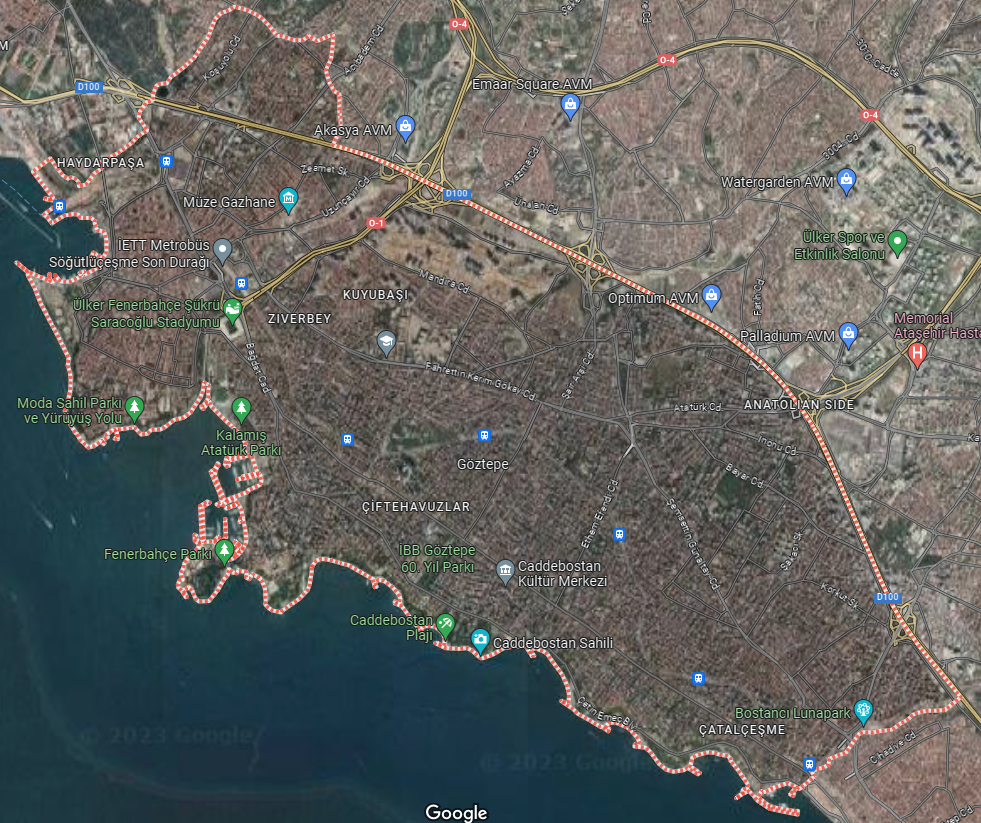
Something of an antecedent? Image from Google Maps, used for commentary
Selden Vestrit, captive, ruminates on his situation as Chalcedeans view him, an oddity among a collection of oddities. The onlookers discuss selling him, ignoring his pleas. As they leave, Selden is wracked by coughing, his situation worsening as he longs for Tintaglia and freedom both.
The question occurs to me again as I reread the present chapter: To what, if anything, is Chalced an analogy? As I’ve remarked, there are analogues for other nation-states in the Realm of the Elderlings series. Bingtown and the Rain Wilds echo the United States, making Jamaillia something like Hanoverian England. The Six Duchies and the Out Islands are not unlike the indigenous American peoples, if with other influences visible and at play, so that “parallel” would be too strong a term. It is the case that the Duchies and Bingtown are or have been in position to ally against Chalced, being both vexed thereby; the analogue of Chalced would therefore be some state vexatious to multiple populations, heavily autocratic, and with a (relatively) poor human rights record.
I admit to getting somewhat outside my remaining areas of expertise, here, but colonial Spain somehow comes to mind. I am not a Hispanist; I did grow up in an area marked by Spanish colonialism, and there is something of that in even popular and public-school accounts of the local and regional histories, but I am far from a specialist in such things. I do, however, think there might be something to investigate in that line for an intrepid student who is more attuned to such concerns than I can be. (Please be sure to cite me if your papers take you in such a direction; I shall thank you.)
Similarly outside my expertise but similarly suggestive is the parallel of the names. Chalced seems to work from Chalcedon, an ancient town of Classical Asia Minor now part of the Istanbul district in Turkey. Site of some important early Christian councils and the namesake of chalcedony, it exerts some historical and religious influence…but, again, my noting that there is some interest to follow does not mean I am equipped to follow that interest in what has to be a short(ish) blog post such as this one. Again, a student of more related concerns looking at this might well have more to say. (Again, too, kindly throw me a citation if you investigate that way; I shall still thank you.)
Like what I write? Want me to write for you? Fill out the form below to get started! All human-made; no AI!
Why is this the thing that shocks you so
The one at which you mean to draw a line
And sever yourself from the greater godly body
In which you were raised
To which you pledged yourself
And not the lie that you enact by
Pushing yourself away from it
And it from you?
Is it not a sin to lie?
Yet you expect to be forgiven
And to remain among the body of the elect
While working so very, very hard
To keep others out of it
I think it’s pretty. Photo by Alexander Grey on Pexels.com
Why is this the thing that shocks you so
The forbidden deed among forbidden deeds
The unpardonable event that must be set aside
Or must be set aside.
Because it is commanded that it not be done
And that those who do it find opprobrium
And not the marks made in flesh and marring of it
And not keeping the gleanings of the harvest
Or the fruits from the edges of the fields
And not the mistreatment of strangers in the land
And not adultery
Which is one of the larger among
Thou shalt not
Set in stone on courthouse steps as a movie’s marketing maneuver
A politician’s campaign ploy?
Are they less forbidden?
Yet they who do them
Again and again
And gladly
Those get welcomed in and celebrated
While others would be left to languish
Why is this the thing that shocks you so
The one you claim cannot be forgiven
That merits castigation, condemnation
And not the killing of another person
Something many claim that they would do again
Given similar circumstances
And not when someone else is creeping into their home at night
Which might well be excused
But in the homes of others
Unwelcome on their lands
And for no real purpose save to be there?
Is it not a sin to kill?
And yet many do more than fail to repent
Who are kept among the congregation gladly
Why is this the thing that shocks you so
Demands of you that you rise up in anger
Giving voice to hatred
Giving hands to violence all too often
You who claim to hold as your lord and teacher
One who often abjured violence
Who said who lives by the sword will die by it
Who said who calls another a fool is in danger of damnation
Who said not to resist evil
Who said to turn the other cheek
Who said to give more to those who ask of you than they ask
Who said to take the beam from your own eye before worrying what is in another’s
Who said to cut yourself down to keep yourself from sinning rather than to cut another down
When you will welcome back among you
Even praise
Who flout the two true commandments
Proudly
Who offer up not even a mumbled apology
Let alone burnt gifts of atonement
Or efforts to make real change in themselves
And whose actions bespeak praise for Mammon?
It doesn’t seem right, does it?
It shouldn’t
But you still do it
Over and over and over again
Unrepentantly
And demanding to have a house that is not yours
Be as you would have it
Shutting out those who have too often been in the cold
Who harming none have suffered harm
Why is
This
The thing that shocks you so?
I remain available to write to order! Custom work done by human hands– No AI involved, And at reasonable rates! Fill out the form below to get started!
Read the previous entry in the series here. Read the next entry in the series here.
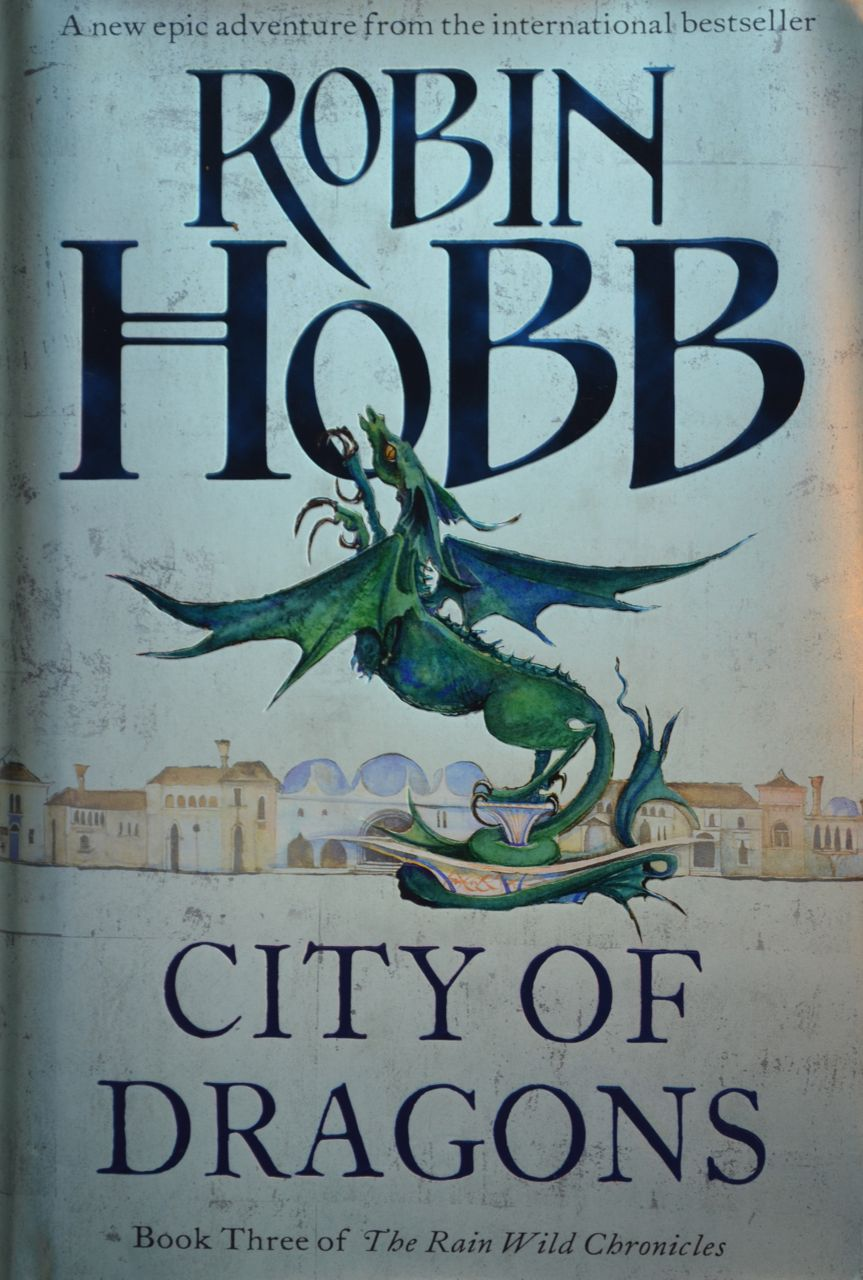
The third volume of the Rain Wilds Chronicles begins, as do the first and second, with a cast of characters–the keepers and their dragons, people from Bingtown, the crew of the Tarman, and assorted others–before presenting a prologue. Said prologue, titled “Tintaglia and Icefyre,” focuses on the eponymous dragons as they fly and hunt together. Tintaglia assesses Icefyre as they return to a familiar landing-place, and they are ambushed as they alight. The attack fails, although it startles the younger dragon and injures her.
More or less the cover I have… Image from Jackie Morris’s website, here, used for commentary
In the wake of the attack, the dragons confer, Tintaglia noting her inexperience with assault from humans. Icefyre opines on previous experiences and ancestral memories of such attacks and their effects, and he notes that he and Tintaglia will have to depart the area for a time–but not until they have eaten their fill from among their slain attackers. Tintaglia initially balks, and she questions one survivor. From him, she learns that the Duke of Chalced has prompted the attack, and Icefyre eats him for his trouble.
This will not be the first time I’ve written about City of Dragons, of course. In addition to occasional references in papers I’ve written for presentation, I reviewed the novel (for what all that’s worth) in another webspace I formerly maintained (find the review here), not long after it hit print, back when I had time to sit and chew through a novel in a day and write about it with daylight to spare. Certainly, there are things I miss about that part of my life, even if I did not recognize at the time the privilege I had then. That said, I am in a better place now than I was then, although it’s not the place I thought that I would be when I thought then about where I might be now.
I am struck once again by Hobb’s ability to write non-human intelligences sensibly, something that features throughout the Elderlings corpus. Admittedly, there are limits; Hobb is, to the extent of my knowledge and the public disclosures I have seen, human, and so there will be only so much of the nonhuman that she can depict. But the fact of presentation is something that continues to stand out to me, as does the believability of the same.
I note, too, that the prologue pivots into something that has been glancingly addressed in the earlier volumes of the Realm of the Elderlings corpus: Chalced. The repeated comment that “Sooner or later, there is always war with Chalced” comes to mind; the war seems to be coming. That the Chalcedean ruler is styled Duke speaks to it, as well as presenting an interesting implication for the Six Duchies; “duke,” of course, derives from dux, a Latin term for a high-ranking military leader, but in the Six Duchies, the Dukes are subordinate to a crowned King…
There will be a lot to do with this book. I look forward to doing it.
That school is out of session for many does not mean there’s not more writing to do– writing with which I can help! All human-written; no AI! Fill out the form below for details!
It would appear to be that time again, when the United States makes a particular show of honoring those who died in its uniformed service, and I air something of a re-run or a spin-off of something I’ve shown before (here, here, and here). In truth, the situation has little changed across the few years I have been making a point of writing in this webspace, the United States and the part of it in which I live marking the day as it has done so long as I recall, and some complaining, perhaps hypocritically, about the juxtaposition.
I am among the some, of course, and doubtlessly the perhaps.
For me this year, while I’ve not been uprooted again, I have been on the road. My family and I took a short trip up through a part of the state we’ve not visited yet, despite it being only a few hours’ drive away. It has made for a decent enough weekend, and one about which I will doubtlessly have more to say in a future post. I’m given to understand that it’s a fairly common pursuit for the time of year, with people getting out of school and “summer” starting (again, the solstice is a few weeks off, and it’s already been plenty warm here); it hasn’t necessarily been so in my life, but a lot of that is because I am a crotchety curmudgeon who hates fun.
Ask my daughter. She’ll tell you.
It might not be the most fitting observance of the day, as I think I’ve noted. But I’m not going to feel ashamed that I took the time to be with my family. And I can affirm that I’ve made a point, not just here, but with that family, and particularly with my daughter, of noting why the holiday is in place. It’s not enough, of course; what can be? It is, however, a start, and that’s got to be good for something.
I remain happy, of course, to write to order, producing genuine original text with no AI copy-work; if you’re interested in having some writing done for you, fill out the form below and let me know!