A Robin Hobb Rereading Series, Entry 390: Fool’s Assassin, Prologue

Read the previous entry in the series here.
Read the next entry in the series
soon.


Following front matter that includes a pair of maps and the text of a letter from Queen Desire to Fennis of Tilth, the prologue begins with Fitz rehearsing his early experience of hating and fearing Desire. The circumstances of his finding the letter receive some attention, as do Fitz’s changing attitudes toward the woman. Fitz also reflects upon his early impressions of Withywoods, contrasting them with the reality of the place he encountered when he moved there.

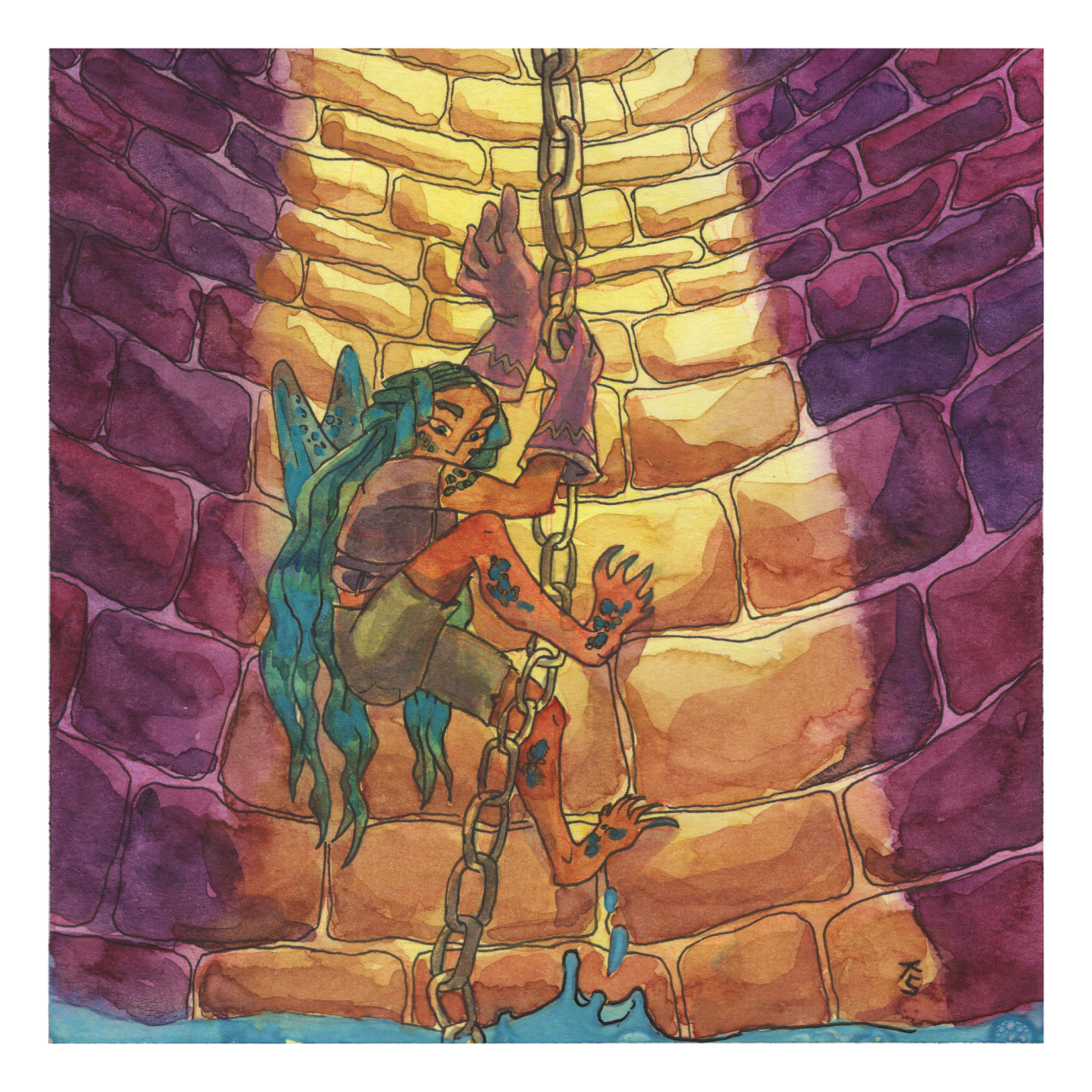
I know it needs work…and the room does, too.
Image is mine. Clearly.

Fitz continues, shifting to a far more melancholy musing that expresses some sympathy for Desire’s position and begins to bewail his own inattentions and infelicities (7):

Lessons learned too late. Insights discovered decades later.
And so much lost as a result.

As I noted in the previous entry, I’m moving directly into the Fitz and the Fool Trilogy, rounding out what is currently the main line of the Realm of the Elderlings novels before going to pick up other things (such a s the Soldier Son novels and some shorter works). I’ve got a couple reasons for doing so. One is simple momentum. Another is that I have a coming conference paper that will need me to have looked at the books again, and moving directly into treatment of them helps me to do the work I need to do for that paper. Yes, it might come off as a bit of laziness, but I’m doing this in and around working outside academe; I have to make time to read when I can, and I need to make it count for as much as I can when I do it.

As might be expected, this is not the first time I am reading the book–nor rereading it. I comment about my first experience with the book here, close to ten years ago, when I’d completed reading the signed copy I was lucky enough to get. Too, I have written at least one paper that deals with the series of which the present volume is the first, doing that some years later so that I have to have reread the text at least the once. (I often fall into the trap when writing academic papers of getting into reading when I’m looking for citation and argumentative materials, which does not speed the process of composition.) So it’s not with wholly fresh eyes that I’m coming back to this text–but it has been a while. The volumes of the Fitz and the Fool trilogy are substantial, and I haven’t had the luxury of as much time to read as I would like; as I note above, I have to fit it in when I can–and this isn’t something I can really read to my daughter quite yet.

And as to the text itself…the foreshadowing is quite deep. It promises great ill for FitzChivalry Farseer. But then, that’s par for his course…

Help me keep this going by hiring me to write for you!
Get started by filling out the form below!

← Back

Thank you for your response. ✨

Or you can send your support along directly!

A Robin Hobb Rereading Series: Entry 389: Blood of Dragons, Epilogue

Read the previous entry in the series here.
Read the next entry in the series here.


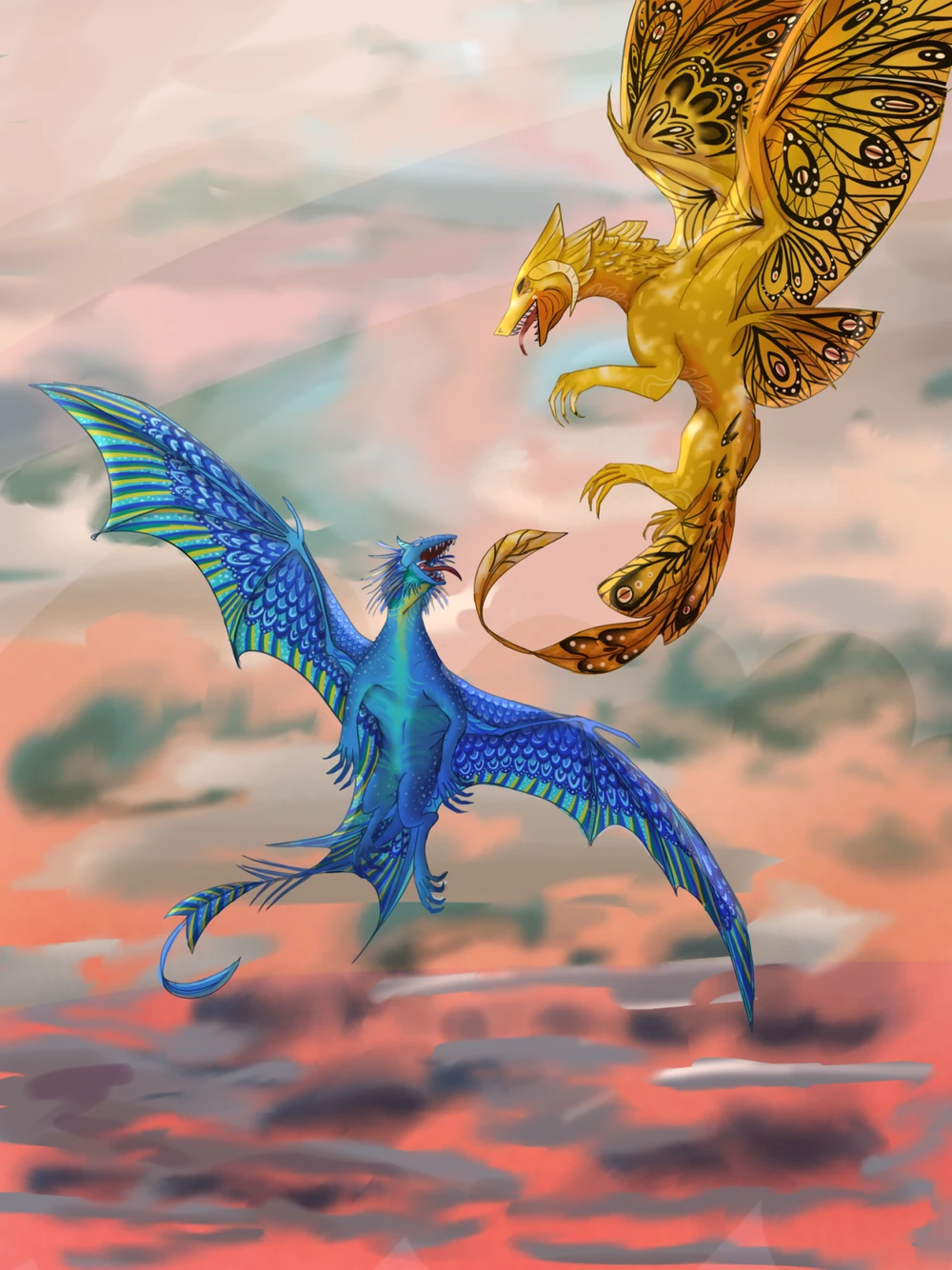
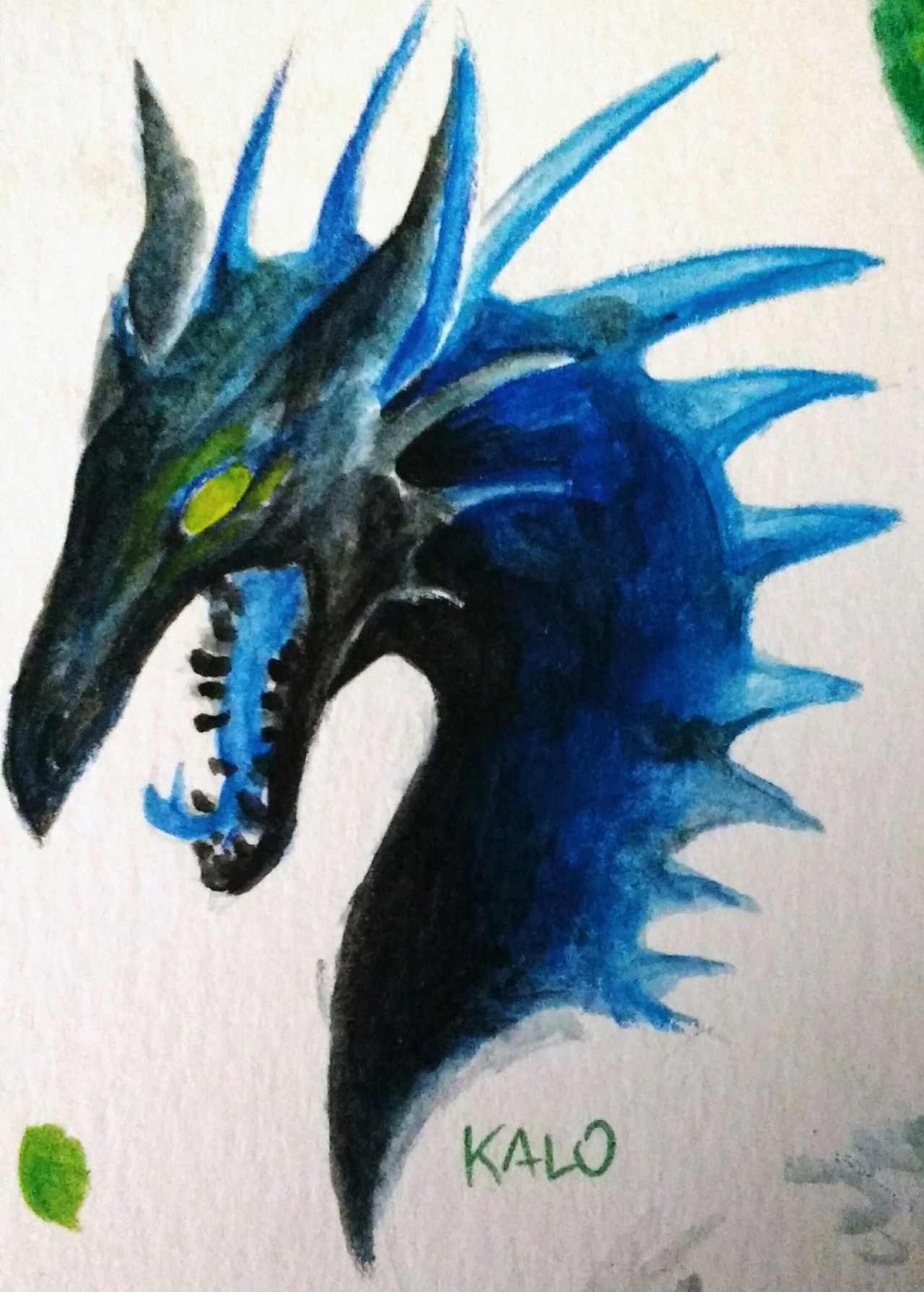
“Generation” begins with Tintaglia waking near Kelsingra, recovered from her earlier ordeals. Kalo and Icefyre fly nearby, the latter rebuking the younger dragons for their deviations from older ways, and they, in turn, assert the need for change against a world unlike that which Icefyre remembers. A brief argument and exchange of insults ensues, and Tintaglia thinks ahead to what may come for the eggs she is soon to lay and the serpents and dragons that will proceed from them. Below, in Kelsingra, Selden leads a cheer for the departing dragons and the new generation promised, and Tintaglia flies away.

Probably not quite what’s in mind, here…
Photo by Pixabay on Pexels.com

The epilogue is brief, as epilogues are wont to be, and it focuses on the non-human inhabitants of the Rain Wilds, as the Trader-centered novels tend towards doing. The view into other inhabitants of the Realm of the Elderlings remains a welcome thing, and there is something to be said for having what seems to be a happy ending for the characters who have managed to make it through the pages of the series. It’s nice.

A couple of notes about the rereading probably need to be made here. I’m not really doing this in a strict chronological order, at least in terms of what got published when. I skipped the Soldier Son novels to treat the Rain Wilds Chronicles, and I’m going to put them off until after I get through the Fitz and the Fool Trilogy, to which I’m turning next. There’re also some one-off things and shorter projects that might get addressed in the interim; I’m not sure on those yet. I do know, though, that when I can situate a given text within the broader context of what I’ve already reread, I’ll do that (that is, if I know something happens around the time of oh, Verity rising against the Out Islands, I’ll make that comment). There’s still a lot of rereading to do; I’m looking forward to doing it!

If you’ve liked reading what I’ve written, consider having me write for you!
It’s easy to get started; just fill out the form below!

← Back

Thank you for your response. ✨

Or you can send your support along directly!

A Robin A Robin Hobb Rereading Series: Entry 388: Blood of Dragons, Chapter 22

Read the previous entry in the series here.
Read the next entry in the series here.


A letter from Selden to Keffria and Ronica in which he glosses developments in his life precedes “Summer,” which opens with the continuation of discussion between the crews of Tarman and Paragon. Events in Chalced are glossed, and some future plans are floated. Difficulties are also attested. The dispositions of the dragons after the defeat of Chalced are also attested, and Chassim’s installation as Chalced’s ruler receives remark. Selden’s condition is also reported, and thoughts of his future are voiced.

Looks about right…
Mating Battle, by Toad, from the Realm of the Elderlings Wiki, here, used for commentary

Sedric and Carson see to the disposition of messenger birds that have been sent to Kelsingra. Neither has much experience with the birds, but they do find a message appended to one of them. Opening it, they find a request for news of Hest and a reward for information about him. After a brief conference, the two set the message aside as irrelevant and return to their work.

Tats and Thymara confer as they look out over Kelsingra and its surroundings. They note, too, the continued enthusiasm for mating fights and flights among the dragons, now that matters have settled. The pair are surprised to see Sintara at the center of such a tangle, from which she and Mercor emerge in union. And in exultation, Thymara, herself, flies, and she at last accepts Tats’s entreaties.

The present chapter, last in the book (there’s an epilogue, though) and thus the last in the tetralogy, does a good job of summarizing and resolving a number of plot points that earlier chapters had not quite addressed. It’s a sensible enough thing for the chapter to do, given where it is, even if I do still think it’s a bit rushed. Still, that much of the resolution is presented as a thing done previously and only reported some time after the fact does a fair bit to help it sit better with me, and there’s doubtlessly some determination to the effect of “Readers won’t be interested in seeing, oh, Selden and Chassim falling more fully in love, and the novel’s already long enough, thank you” involved in glossing developments.

(Look, I’m a sucker for some of this kind of thing. And I remain a nerd–obviously, since I’m writing about the book and about this kind of thing in the book more than a decade after the fact–so I want details and information, even if I can’t spend time on them the way I used to could.)

I will note that I appreciate the passage with Sedric and Carson in particular. That Hest has simply gone without a trace, or an obvious one, and that it’s accepted along the lines of “Eh, what you gonna do?” is something of a playful thing; that there is a clear implication that the pair know what happened, even without more or less direct evidence, only enriches it. Petty as it is, though, and subject to deconstruction (seriously, follow the implications), it’s a little bit of amusement for me, and I appreciate it.

If you like the kind of interpretation and analysis I bring to bear, why not commission me to do some for you? Fill out the form below to get started!

← Back

Thank you for your response. ✨

Or you can send your support along directly!

A Robin Hobb Rereading Series: Entry 387: Blood of Dragons, Chapter 21

Read the previous entry in the series here.
Read the next entry in the series here.


A missive from Kerig to Erek “unofficially” noting the latter’s impending elevation to Master status precedes “Chalced,” which opens with Reyn borne aloft by Tintaglia again and considering the differences between the earlier experience and the present one. The dragons’ progress in anger towards Chalced is described, and the changes that have continued to overtake Rapskal are noted. The relative dispositions of the keepers and the dragons are attested, as well, with tensions emerging. Reyn also notes the differences between the mores that have grown up among the keepers and those with which he still holds, considering how they will affect him and his family. Talk of the coming battle is held, as well, as is talk of Thymara.

…by any other name would smell as sweet…
Photo by Pixabay on Pexels.com

In Chalced, Chassim wakes Selden, bidding him rise and eat. The two talk together fatalistically, planning their mutual exits. Their discussion is interrupted by the sound of horns in the city.

The dragons approach Chalced in haste, preparing their attack. Plans that had been made are related, along with the discussions that surrounded them. Messengers go out, noticed but unchased, and the attack commences.

Sedric, riding Relpda, urges the dragon to caution, only to be mocked for it. The dragons project fear onto their oncoming victims as they approach.

Selden and Chassim continue to eat and confer, and Chassim begins to notice the tumult in the city below. They watch the oncoming attack, and Selden recognizes the approach of death. Chassim joins the recognition, and the two, believing themselves condemned, kiss among the spreading ruin. Seeing the dragons’ intent, Selden calls out to Tintaglia again.

Reyn watches sickly as the attack continues and flesh melts against dragon venom. He marvels at the dragons’ precision for a time until Tintaglia turns beneath him and races to an unknown target.

Selden sings Tintaglia’s praises as she comes for him, and both he and Chassim are lifted away from the ruin of Chalced. Reyn rejoices in the recovery of his brother-in-law, and Chassim introduces herself to him.

As befits a chapter focused on an instance of combat–slaughter, really–the present chapter is fragmented and disjointed, shifting with increasing speed among its focal points as the dragons fall upon and lay waste to the fortress of Chalced. While it does make the narrative harder to follow–at least for me as I reread the chapter at this point, probably more tired than I ought to be to do such a thing–it also works toward the ultimate unutterability of a fight. Others, unfortunately more learned than I in the matter, might well be able to say more, but from the experience I have had in fights, I can attest to the ways in which conscious memory fails to fully encompass any physical contest, and words do not suffice to the task of making real what happens to those who are not there for it. Given the fiction that dragons are, readers must look for parallels in their own world, of which there are far too many and far too readily applied to populations that do not deserve it. And perhaps that is the greatest fiction at work in the present chapter, that the onrushing forces work so diligently to contain the damage they do, even if only out of self-interest, as the dragons themselves comment in their approach to Chalced.

The exchanges between Selden and Chassim in the present chapter sit strangely with me as I reread the chapter. It is not the fatalism both display, to be sure; both of them have reason, as the chapter begins and continues, to expect that they do not have much time left living, and Chassim certainly has reason to expect that, if life continues, it will not be a good thing for her. Rather, it is the sudden motion towards what seems to be romance between them as the dragons make their attack. I know that the imminence of death does strange things to people; so much is amply attested. And it is not necessarily the case that a kiss is romantic, although it is overwhelmingly coded as such in the dominant social paradigms in which Hobb writes and, presumably, the majority of her audience reads. (Indeed, I believe I’ve remarked upon Hobb’s more or less explicit use of such coding, and not only in the Rain Wilds novels. Others have, as well.) Still, the specific reaction seems a bit odd to me; I can’t necessarily pin down why, but then, this is not a formal paper that requires I do so. Nor is it necessarily a bad thing; even for things for which I am very much part of the expected primary audience (and after having written and published on Hobb’s work even before the novel hit print, I think I solidly established myself as part of that audience), it is too much to ask that all parts of such things cater to my specific interests.

If you’d like to have custom writing done to your order, without the dishonesty that comes from AI use, fill out the form below, and we’ll get started!

← Back

Thank you for your response. ✨

Did I bring you as much pleasure as a cup of coffee does? Half a cup? Could you kick in as much for me so that I can keep doing it? Click here, then, and thanks!

A Robin Hobb Rereading Series: Entry 386: Blood of Dragons, Chapter 20

Read the previous entry in the series here.
Read the next entry in the series
here.


Following an announcement from the Bird Keepers’ Guild that Kim has been stripped of authority and dismissed, with others possibly to follow, “Dragon Decisions” opens with Thymara considering the work and accoutrements necessary to handle Silver. Progress on Kelsingra in the absence of the dragons is related, and she, accompanied, makes trial of the Silver, and rediscoveries of lost techniques begin, but only barely begin.

Oddly enough, something like this…
Photo by Pixabay on Pexels.com

Later, Malta muses on the departed dragons and keepers, considering Phron as she tends idle gardens. She and a keeper, Alum, confer, their talk turning to Trader life and the possibility of the creation of other Elderlings. Some of the events of the Liveship Traders novels are glossed, and Malta thinks wistfully on her family. She offers such counsel as she can to the younger keeper, and, gifted with seeds, makes a new start to the gardens.

Thymara repairs to the map room, considering it and the work that has been done on it. Tats joins her there, and the two confer, largely about Rapskal and their own relationship. They walk through Kelsingra, considering it further, and Thymara leads them to the quarters her memory-self, Amarinda, had had. There, she puts the memories to rest.

Approaching Cassarick, Alise and Leftrin confer, their progress downriver noted. Tillamon joins them and notes her plans. An upset among the Chalcedean captives is also related, and the Tarman ties up and begins to disgorge cargo and passengers. The Chalcedeans opt to choose their own deaths in the caustic water of the Rain Wild rather than face what will come, and the attack by dragons on Chalced is reported.

The end of the book is approaching, and along with it, the end of the Rain Wilds Chronicles. It makes sense, then, that Hobb would work in the present chapter to address a number of plot threads and work to bring them towards conclusion. The resolution of the trouble among the Bird Keepers noted in the opening missive is one such thing; the various reflections on relationships among the Kelsingrans and Traders offer other examples. Not all of the plot threads are addressed, of course, but there are yet pages in the text to treat, and it isn’t the case in any event that all plot threads have to be tied off. Indeed, a more verisimilitudinous novel will deliberately leave matters unfinished, as it is rare in real life that matters are completed, let alone completed neatly–and even a less “realistic” one may well leave space from which sequels can emerge, especially when it is itself such a sequel.

I do appreciate the motion in the earlier sections of the chapter towards the idea of work to be done. It is often the case in fantasy fiction, not least in cases where old realms are restored, that the work of that restoration is glossed over, if it is mentioned at all. Consider Lord of the Rings, where the work of rebuilding the Shire is passed over in fits and starts (and the hobbits from whose work the book is “translated” would, as they are described in prefatory materials, likely be at least as concerned with the rebuilding as they would have been with the quest that preceded it), and the restoration of Gondor is relegated to appendices whose composer lamented them. Hobb admittedly has the leisure of more time in the Realm of the Elderlings than many authors; there are years between series that take place in the same areas of the milieu, but it is also clear that things are not hand-waved as restored to their full former status even in those years. In the present chapter, the slow work of manipulating Silver and the bare beginnings of gardens under Malta’s care both point to the efforts to be expended, and not all in one burst.

I have to note, too, the resignation of the Chalcedean prisoners at the end of the chapter. The parallels to historical events should be clear. The reminder that there is pain and misery at the foundation of things is one that needs making; there are certainly enough people who try to forget it again and again…

If you’ve liked the series so far and would like me to write for you, fill out the form below! It’ll only take you a minute, and you could get so much from it!

← Back

Thank you for your response. ✨

Or you can send your support along directly!

A Robin Hobb Rereading Series: Entry 385: Blood of Dragons, Chapter 19

Read the previous entry in the series here.
Read the next entry in the series
here.


A brief message from Erek and Detozi to Reyall notes upcoming action from the Bird Keepers’ Guild before “Icefyre” begins. As the chapter opens, the keepers in Kelsingra assess Icefyre, wary of him and noting his injuries. Debate about how to approach the elder dragon ensues, and Rapskal steps forward. Icefyre responds, reporting his situation; he calls upon the dragons of Kelsingra to aid him in exacting revenge. As many of the dragons move off to tend to Icefyre and hold counsel, Tintaglia notes acidly that Icefyre’s concern was absent when she was injured, and the keepers and Alise note that the revenge must be taken for the attacks. Chalced is identified as the likely culprit, and it is determined that the dragons will assail it. Preparations begin in haste.

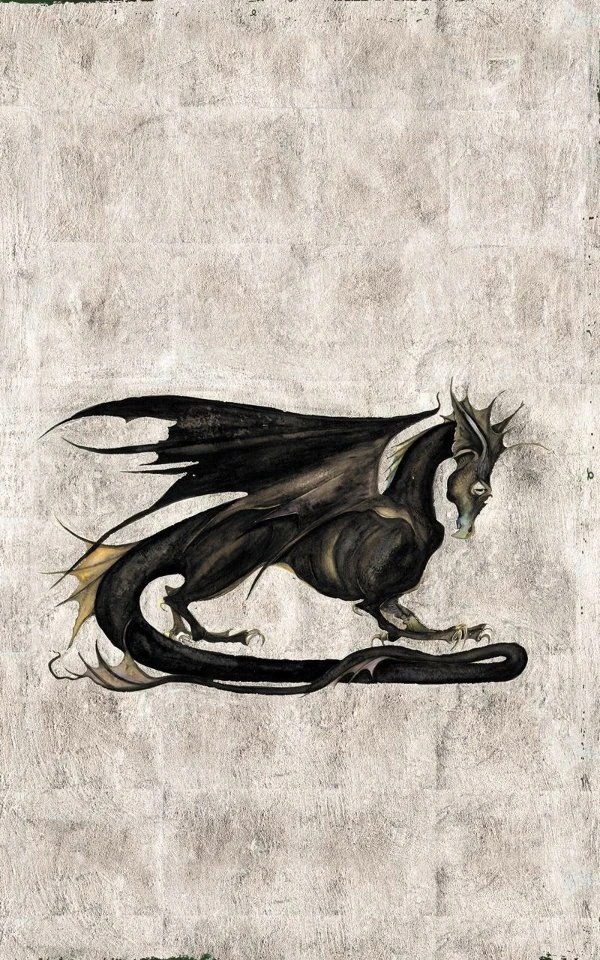
Dragon of the hour…
Jackie Morris’s Icefyre, hosted on Realm of the Elderlings and used for commentary

The dragons’ conference is related, Sintara and Tintaglia assessing the males among the Kelsingra dragons. Methods and the lack of memory are noted, and concerns of unintended consequences are raised. The indignity of attack prevails, however, though talk of effects does not end.

Leftrin and Alise confer, Leftrin noting that the Tarman must sail for Cassarick to inform the Traders of the dragons’ intent and possible blowback from it. Alise assesses the rapid changes that have befallen, and memories of the attack of Chalced on Bingtown rise up around her. She determines to accompany Leftrin, and she voices her concern about Hest, only to learn that he is missing. The pair put the matter of Hest aside, and preparations for departure continue.

Thymara returns to her room to find Rapskal awaiting her, acting more out of his inherited memories than from himself. She refuses him, and the two part in anger.

The next morning, the dragons as Kelsingra mass to fly against Chalced. Thymara and Tats confer about proceedings, and the arrayed host is described as it makes ready. Not all are eager who will sally forth, and goodbyes are said as the dragons and their company begin to depart. Current statuses are noted, as well, and work on Kelsingra resumes.

The present chapter, near the end of the novel and of the tetralogy, has something of a rushed feeling to it, something I’ve noted about several of the Realm of the Elderlings novels in this rereading series, as well as about this novel in another place. I continue to be somewhat put off by it, although that may well be nothing more than a matter of my personal tastes at work; there is always a concern in offering critique about how much is merely individual preference and how much is broader assessment of literary craft. As it might well be argued that I have literary pretensions at best, I can understand that my own comments on such matters could well tolerate more than one of proverbial grain of salt. But then, there’re many folks who like a lot of salt in what they eat.

As I reread the chapter, particularly the passage in which the dragons and some of their keepers make ready to depart Kelsingra and do so, I found myself in mind of scenes from Peter Jackson’s Lord of the Rings movies, namely those in which the people of Rohan ready themselves at Helm’s Deep. The depiction of such of the keepers as Sylve seems to me reminiscent of that of the children of Rohan, plodding forward fearfully in armor too big for them–but it’s a common enough thing, not only in Tolkienian-tradition fantasy literature, that it might simply be dipping at the same well rather than filling a cup from a bucket already pulled up.

As I reread my review of the book, though, close to eleven years on, I note there’s been some consistency in my approach to the text across time. I’m not necessarily sure how to regard it; was I more or less right all that time ago, or have I stagnated in the more-than-a-decade since? I’m gratified that the gender- and queer-studies approaches I’d noted as being open have been followed up on–indeed, so far as I can tell, they’re among the dominant threads of scholarly work done on Hobb’s writing. (Translation studies has a lot to do with her work, as well.) It’s clear, then, that I got at least something right in my early assessment of the novel; I don’t know, though, and wouldn’t much hazard to guess if I was (or am) quite right in looking at antecedents / sourcing (among others, for reasons noted in the paragraph above). I think I was (and am), of course, or I’d not’ve written as I did (then or more recently), but I’d really like some outside confirmation…

If you’d like me to write for you, fill out the form below!

← Back

Thank you for your response. ✨

Or you can send your support along directly!

A Robin Hobb Rereading Series: Entry 384: Blood of Dragons, Chapter 18

Read the previous entry in the series here.
Read the next entry in the series
here.


Following an announcement from the Trehaug bird-keepers to those in Bingtown calling into question Kim’s good standing among the bird-keepers, “Seductions” opens with Hest attempting to persuade one of Leftrin’s crew to allow him the run of Kelsingra. Hest reflects on similar attempts with others in Kelsingra and his lack of success with them. When Davvie happens by, Hest turns his attentions to him, plying the inexperienced boy with some initial success.

Our hero?
Image from Hirundine’s Tumblr, used for commentary

In Chalced, Sedric continues to suffer at the hands of the Duke, tended by Chassim. The pair of them commiserate about their respective situations, assessing them coolly and considering their prospects. They begrudgingly move forward.

In Kelsingra, Leftrin and Alise confer about developments, noting the clear potential for Kelsingra’s growth. How the development will be managed receives comment, as do Rapskal’s increasing instability and the dragons’ desire for vengeance upon Chalced. Amid the discussion, Leftrin suddenly proposes an entirely unorthodox marriage, and, after some consideration, Alise agrees.

Hest continues to ply Davvie, surveying Kelsingra and calculating his potential profits from it. And he makes a sudden advance on the youth.

Carson begins to grow anxious about Davvie, and Sedric follows as he searches him out. He finds Davvie in Hest’s hands, and Sedric interposes himself. Hest attempts to seduce Sedric once again, but fails.

Sedric recognizes Hest’s attempt for what it is and rebuffs him forcefully. He returns to Carson to find him conferring with his nephew, and the three make to head off. They espy the approach of Icefyre as they do.

Hest, staggered by Sedric’s refusal, chases after him briefly before the approach of dragons frightens him. He seeks a bath to restore himself, in which he finds Kalo. Hest attempts to dominate Kalo, failing utterly, and being eaten for his arrogance.

In Hest’s death, I note a(nother?) parallel to Kennit. Both of them find themselves short of a leg (Kennit here). Although it would be a wonderfully tidy bit of writing to have the serpent that took Kennit’s leg be the one who became Kalo, it does not appear to be the case; even so, the amputation does put something of a neat little bow on the parallels between the two characters. Aside from their endings, both come from Trader stock, both have unfortunate relationships with their parents, and both have narcissistic and masochistic tendencies; they both speak to something of a type in Hobb’s writing (which extends to Regal Farseer, as I’ve remarked–here and here, for example). I’ve not done the updating on the Fedwren Project that I ought, certainly, so I am not as aware of whether others have explored the type as I ought to be, but if they’ve not, it seems a useful line of inquiry to follow.

Another thought occurs as I reread the chapter. If it is the case that the Traders are mimetic of the early US, absent some (but far from all) of the perversities that accompanied the settlement efforts, and if it is the case that the progress towards and into Kelsingra mimics the further colonization of the Americas (as I’ve suggested, here and elsewhere), what does the nascent Elderling civilization in and around the renewing city become? In some ways, it seems Kelsingra is moving towards something of a utopia; the romantic aspects of the present chapter and Sedric’s discourse seem to further comments made earlier, and the notion Alise voices of Kelsingra offering many the opportunity to simply start their lives anew, if at the cost of significant work, is certainly an attractive one. Indeed, as I think on it further, I am put in mind of the “city on a hill” rhetoric that is so often espoused. How “true” that rhetoric is in the real world is an ongoing question whose answer is almost always some nuance of “not so much,” but in the Realm of the Elderlings, is it perhaps being set up to be more true than in the historical and contemporary antecedents? It would not be the first work to present what might be taken as an idealized society, of course, although for whom it would be ideal, both in milieu and outside, would still take more than a little untangling.

I remain available and happy to write to order for you;
Fill out the form below to get started!

← Back

Thank you for your response. ✨

Or you can send your support along directly!

A Robin Hobb Rereading Series: Entry 383: Blood of Dragons, Chapter 17

Read the previous entry in the series here.
Read the next entry in the series
here.


Another letter from Erek to his old master, Kerig, provides an update from the previous before “The Well” begins. As the chapter opens, Rapskal pleads with Thymara to accompany him after she and Tats have taken him aside. Thymara considers recent events, conferring mentally with Sintara as Rapskal continues to plead, his words not entirely his own. At length, Thymara is persuaded, and the pair walk Kelsingra, Rapskal speaking from memories he has taken in from it and plying Thymara further. He urges her to reach into her own ancient memories for the secret of restoring Silver.

I do enjoy Katrin Sapranova’s work–here, Silver Well from her Tumblr page, used for commentary.

Elsewhere in the city, Reyn and Malta confer about their fortunes and those of their family and of Tintaglia. Malta places Phron’s hand upon the dragon and offers something not unlike a prayer.

Thymara resists the call to dive into memory, and she rejects Rapskal’s insistence harshly. Sintara pleads with Thymara, however, and she reluctantly descends into the well along with Rapskal. As she does, she feels the memories rising around her, and at the bottom of the shaft, she finds the remains of her past self. More memories rise within her, and she releases a hidden reservoir of Silver from which the dragons begin to drink.

Phron cries and Malta moves to feed him from her breast, the child’s parents exulting in the evidence of changes worked by Tintaglia upon him. Other dragons approach Tintaglia, shunting the Khuphruses aside as they bring Silver to Tintaglia, treating her. The elder dragon rises, hungry, and moves to hunt amid the joy of those surrounding her.

I remain pleased to see the chapter-prefaces used not only in the Asimovian style of providing greater context for the world and the events depicted in the pages of the chapters, but also to trace ongoing outside narratives. I know I’ve commented on the device before, but as it continues to be a source of delight for me, I feel I ought to remark upon it now and again. And it really is a treat to have the short little snippets–because the letters are rarely of any length, sensibly to them being carried by pigeons–do so much to illustrate what else is going on. More formally, by pointing towards events outside the main narrative, the letters assist Coleridgean willing suspension of disbelief by gesturing towards Tolkienian unexplored vistas that authenticate the act of sub-creation; more briefly, by making the presence of outside context within the milieu explicit, the letters deepen the verisimilitude of the main narrative. That is, they make the world in which the main narrative takes place “more real” than a work centering on metamorphosing dragons and their effects upon the world would otherwise be.

The depiction of the Silver in the present chapter continues to reaffirm for me the link between it and the Skill plied in the Six Duchies. I’ve commented on the perceived link a few times (such as here, here, and here), so I was already quite confident in the interpretation. Reading again of the manner in which the Silver-treatment occasions Tintaglia’s recovery offers more to bolster the interpretation; compare, for example, the dragon’s recuperation to that Fitz endures in his Skill-healing (see Golden Fool, chapters 20 and 21). The continued effort to “normalize” things across series taking place in the same milieu, relatively contemporaneously, is clear in the present chapter; it works better here than in some other places in the tetralogy, which is a pleasure to see.

The depiction of the Silver in the present chapter also continues to remind me of the EarthBlood in Donaldson’s Chronicles of Thomas Covenant the Unbeliever. (I write about it a bit here.) The tension between destructive force and creative power embodied in a markedly colored outflow from within the earth is telling, although I’d need to do some additional rereading to pull out the parallels more fully. Doing a bit of source-study remains tantalizing, of course, but that would require more of an investment of time, and I am not sure how much of it I am likely to have in the near future.

It’s for good reason, or reason good for me, at least. But I would still love to attend to the project, along with a great many others…

I’m still going; if you’d like to help me keep going by writing to order for you, please fill out the form below!

← Back

Thank you for your response. ✨

Or you can send your support along directly!

A Robin Hobb Rereading Series: Entry 382: Blood of Dragons, Chapter 16

Read the previous entry in the series here.
Read the next entry in the series
here.


Following a missive from Reyall to Erek and Detozi in which he announces his engagement, “Expectations” opens with Alise asking to move inside as she rapidly assesses events and her place in them. Carson begins to take charge of the situation with the captives that have been brought to Kelsingra, and Hest presents himself before Alise. Alise considers the implications of his appearance against the events of the past months, pleading with her as Reyn and others rebuke him. Alise upbraids him for his deceit of her, disclaiming their marriage publicly, and when Hest protests, Sedric interjects, testifying to Hest’s perfidy. Carson commends Sedric for his declaration, and the group departs from a stunned Hest.

The man of the hour.
Carson by dianna-art, from Realm of the Elderlings, here, and used for commentary.

Later, Reyn rejoins Malta as those assembled in Kelsingra confer. The pair discuss Phron and his progress, noting the still-poor prognosis for their son. Reyn also comments on the proceedings regarding the captives and the relative youth of most of those involved in them. Various testimonies and perfidies are summarized, and Reyn and Malta consider their status among the new Elderlings. Their thoughts turn to Tintaglia, and Malta avers feeling her slow approach. Reyn tries to believe but cannot quite do so.

Within eyeshot of the city, Kalo urges Tintaglia along. She reaches the city, losing consciousness as she does so and the new Elderlings flock to her.

In Kelsingra, Tintaglia’s condition is assessed. Reyn and Malta plead with the dragon to drink what Silver is available, administering it to no obvious effect. Thinking they have failed, they ask for privacy for themselves, Phron, and the dragon, and they are given it–including by Leftrin, whose thoughts turn once again to Alise.

I note with some attention the comment Carson makes as he begins to take charge of the captives brought to Kelsingra: “let us act as befits who we are, rather than who we think they might be” (278). Being the age that I am and with my adult life therefore shaped by the events that have occurred, I have heard much in the line of “We have to do X, because those people are going to do it.” My response, when I have offered one (which I don’t much do anymore; it does me no good, and I rarely get traction with it), has been much in the line of Carson’s comment. It doesn’t matter what those people, whoever those people are (and it shifts; oh, does it ever shift!); what does matter is what we do–or what I do, because that is the only thing that falls under my control. With others, I can advise. I can argue. I can cajole. I can command. I can punish (perhaps). But I cannot compel; the choice always exists for others to do other than I would have done. For me, though, the only choice is what I would do; what I do is necessarily what I have chosen to do. That does not mean the choice is always what I would prefer, or that it is a good one; there are sometimes no good choices, which I believe Hobb comments (among many others). But only I can make the choice for me, and I can make the choice for only me. So I find I appreciate Carson’s remark, affective as my doing so might be.

I note, too, Sedric’s public testimony against Hest. Although it is the case that Kelsingra is a far more sexually permissive place than the other Traders’ settlements, that he is willing to out himself in the way he is is something that comes off as commendable; the abused rising against their abusers is a thing worth seeing. Not all real-life victims of abuse are so fortunate as to have situations in which they can do such things, of course; many who attempt something like Sedric does find themselves much less well off than he does in the present chapter. But then, one of the things that fiction can do is show what can be, more than what is.

If you’d like me to write for you,
the form’s below; you know what to do!

← Back

Thank you for your response. ✨

Or you can send your support along directly!

A Robin Hobb Rereading Series: Entry 381: Blood of Dragons, Chapter 15

Read the previous entry in the series here.
Read the next entry in the series
here.


Following a message from Sealia Finbok to Hest, one meant to be held against his return, “Hostages” begins with Skelly conferring with her captain and uncle, Leftrin, about the unlikelihood of success retrieving Silver from the well the keepers have reopened in Kelsingra. She pleads to be tasked with the retrieval, but Leftrin refuses, and further conversation is cut off by the return of the dragons, whose needs must be addressed. Thymara finds herself considering her relationship with Tats once again as the dragons beckon and their quirks are noted, as are ongoing changes in Rapskal, and she joins the others in rushing to tend the dragons.

The dragon of the hour?
Heeby by gryphonic19 on DeviantArt, used for commentary

The dragons return to Kelsingra, delighting in the actions they took against the Chalcedeans and asking for reports on progress towards the Silver. Soon after, the ship being escorted arrives.

Leftrin chafes at the arrival of the new vessel as his crew helps to bring it into port. The captives are brought ashore, and Leftrin notes with some surprise the presence of Traders among them as Alise joins him. Calls for executions ring out, and Leftrin argues against them, Alise recognizing that Rapskal has been largely swallowed by the memories embedded in Kelsingra. Amid the confusion, some of the captive Chalcedeans attempt escape and are thwarted, leaving the issue unresolved.

Hest, for his own part, assesses the changes in his situation as he is also brought under guard to Kelsingra. He marvels at what he finds there and begins contemplating what treasures it holds, and then he recognizes Alise among the throng, bristling as she accepts Leftrin’s attentions. He swiftly perceives that the pair have grown intimate, and he begins to plot how he will take control of things. Scanning the crowd for a likely target, he is shocked to see Sedric among the Elderlings and wounded to see his clear affection with Carson. And so he begins to plot revenge.

I note something of a parallel between one of the keepers and the Fool in the present chapter. The note is made that one of the keepers, Kase, came into contact with a small bit of the scant Silver retrieved from the well. A lack of pain and the presence of oddness of sensation are attested. Something similar comes to mind for the incidental contact the Fool had with the Skill-imbued Verity and the subsequent uses of power that resulted from it. Again, I’m nerd enough to appreciate the call-backs and echoes of older texts in the more recent, even if I’m not always skilled enough in the moment to notice them directly.

I note, too, the disparity of textual treatment of characters in the present chapter. The summary above does not entirely reflect it, but the section of the chapter that focuses on Hest and his thoughts is the single longest and most coherent in the chapter; it spans some six pages, while the other sections are three, five, and five pages, so while Hest does not receive a majority of attention, he does have a plurality of it. (A word-count would give more accurate information, of course, but such exceeds the scope of a post to a weblog such as this one.) It’s not necessarily a surprise; he has been figured throughout the Rain Wilds Chronicles as a significant antagonist, petty as he is presented as being, specifically as an impediment both Alise (one of the primary protagonists) and Sedric (a clear secondary, but a strong secondary protagonist) must overcome. Nor is it surprising that the presentation rather heavily foreshadows the coming conflict between him and those he had formerly controlled, although it might have been hoped that his own experiences in servitude and abjection might make him more sympathetic to them and contrite for his own misdeeds. Instead, he seems to be following in the footsteps of Regal Farseer once again, and while it is the case that neither Alise nor Sedric is as capable of ironic cruelty as Fitz or a certain mustelid, there are no few in Kelsingra who are…

If you like the way I write and would like me to write for you,
Fill out the form that’s just below, and see what we can do!

← Back

Thank you for your response. ✨

Or you can send your support along directly!