Read the previous entry in the series here.
Read the next entry in the series soon.
The present chapter depicts abusive relationships.
The eighth chapter of Forest Mage, “Judgment,” begins with Nevare and Duril returning home after their excursion to Dewara. At Duril’s direction, Nevare retreats to the kitchen to clean himself up. Doing so, he is taken aback by the lack of obvious injury to him after having been stabbed, and awareness of magic at work takes him. He ruminates on the matter as he eats some slices of fresh bread, and he is surprised at his father’s sudden appearance.
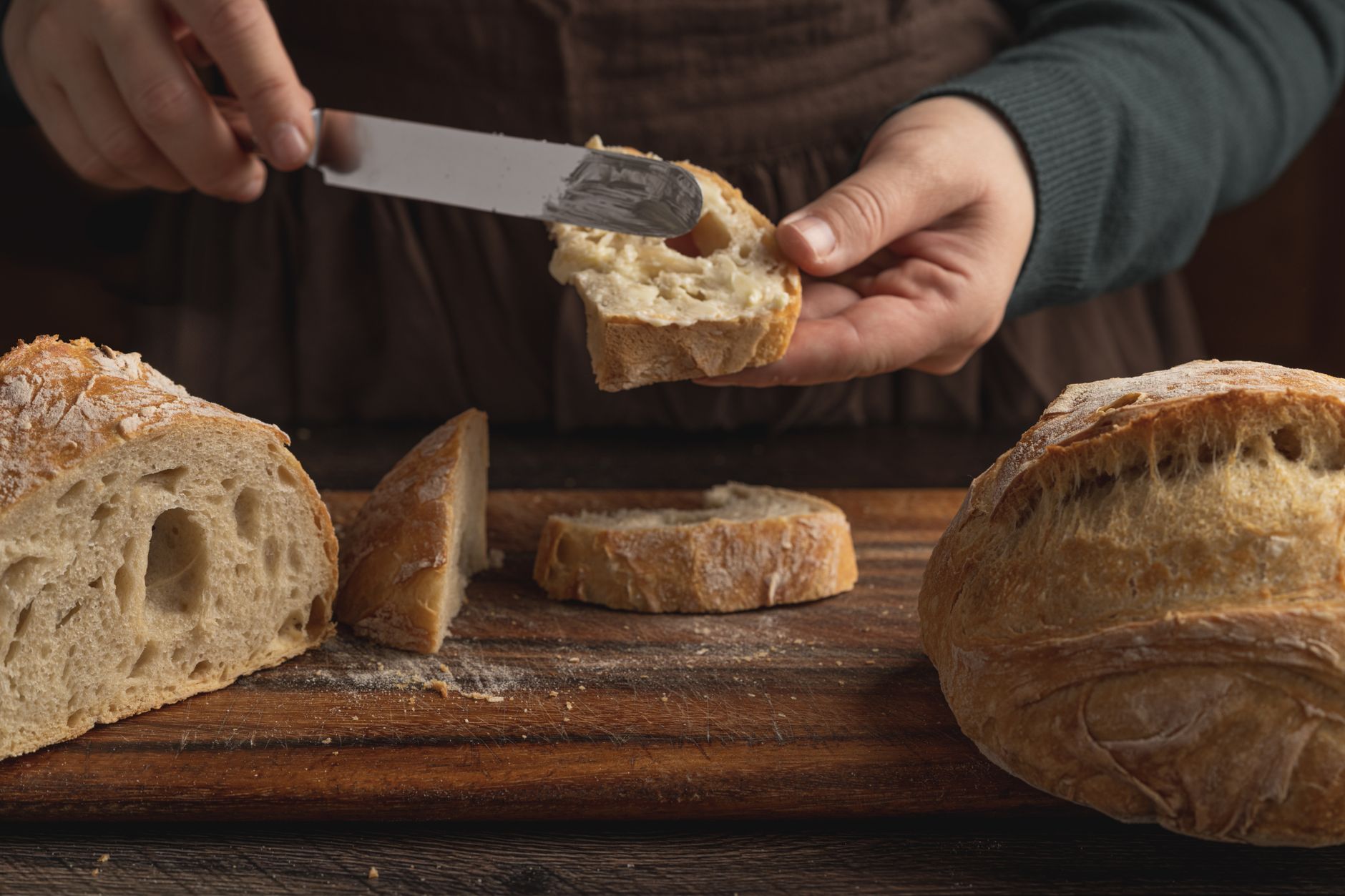
Photo by Skyler Ewing on Pexels.com
An argument erupts between father and son, and Nevare relates his experience of Dewara’s magic only to find his father turning further against him. Outwardly, Nevare agrees to his father’s demands, although he inwardly knows that they will not avail.
The next day increases Keft’s imposition of physical discipline on Nevare, in which task he enlists Narl, who is confused at the directions given him but complies no less than Nevare does. When Nevare is allowed to eat, he savors the meal provided to him, revelling in the sensory delights it offers. He also maintains his personal discipline, studying from his retained course materials to pass the time. The next many days pass in similar fashion, their pattern little interrupted.
One of the interruptions is the delivery of correspondence from Spink and Epiny. Spink shows recovery in spirit although tension with his older brother about how the family holdings are managed. Epiny thanks Nevare for helping to reopen her relationship with Sefert, and Nevare writes a long reply to the pair that he discards in favor of a briefer missive likely to pass his father’s inspection. He also replies belatedly to Caulder Stiet and his uncle, thinking to close out that discourse entirely.
The pattern of Nevare’s days resumes, and while he muses with anger on Carsina, he acknolwedges the futility of doing so. He also fails to lose any significant weight, and conversation with Narl proves informative if somewhat stilted. Nevare infers from what he learns that Speck plague approaches the area, and he warns his father about it to no avail. Doing so earns him only rebuke, and his lack of weight loss earns his father’s ire and censure. Keft pledges greater strictness with his son and leaves, ad Nevare considers himself and his situation in the wake of his father’s departure.
To address the chapter-length issue: the present chapter, in the edition of the novel I’m rereading, runs 20 pages in length, approximately 2.74% of the novel. In that, it is only a little short of average, less than one page or one-eighth of one percent under. It does, however, seem to conclude a small narrative arc within the text, so the length is less a concern than it might otherwise be.
Also, for indexing purposes, the following: Bejawi, Bellock, Burvelle’s Landing, Carsina Grenalter, Caulder Stiet, Cayton’s Horse, Cherries, Daraleen Burvelle, Dewara, Doril’s Foot, Epiny Kester, Franner’s Bend, Gernia, Gettys, Kase Remwar, Keft Burvelle, Kidona, Landsingers, Meat pie, Narl, Nevare Burvelle, Orandula, Plague, Plainsfolk, Prairie cat, Pudding, Rosse Burvelle, Sefert Burvelle, Selethe Burvelle, Sergeant Erib Duril, Sirlofty, Speck, Spinrek “Spink” Kester, Tree Woman, Varinan, Warfare. A relatively average chapter might well be expected to have an average number of indexable items in it, and that seems to be the case with the present one.
For a bit of cross-series reading: there is a chapter in Mad Ship with the same title as the present chapter. As is not seldom the case with coincidences of chapter titles, I am tempted to read the two against one another. As is also not seldom the case when I look back at earlier work, I find myself seeing things that I did less than optimally as I carried out the earlier work. It may be that I revisit earlier portions of my rereading series to update them; I do not know that I will, given how sprawling my still-uncompleted rereading already is. But the idea is a tantalizing project, certainly, and I’ll admit to having done some work to move in that direction, if I end up choosing to do so; I have other things that could use revision before I get to that point.
I note with some interest the physical changes Nevare describes in himself as the chapter progresses. His metabolism alters significantly, allowing him not only to heal with astonishing speed, but also to undertake significant physical exertion and to do so with little metabolic byproduct. Being the kind of nerd I am, I’m put in mind of Dungeons & Dragons materials that made claims about draconic metabolisms and their efficiencies, and I have to wonder if something similar is not at work in Nevare. Adipose tissue is energy storage, certainly, and storing more energy suggests that less of what produces that energy would be discarded as waste; magic is involved in the narrative, of course, seeming here to exaggerate natural processes to some extent more than necessarily to enact things that oppose or contravene them. The thought occurs that examining the text, and Hobb’s body of work more generally, for handling of magic might be something worth doing, another scholarly someday to add to an already long calendar.
Do you want me to write for you? Fill out the form below if you’d like me to!


[…] Read the previous entry in the series here.Read the next entry in the series here. […]
LikeLike