Read the previous entry in the series here.
Read the next entry in the series here.
The seventh chapter of Forest Mage, “Dewara,” opens with Nevare recognizing his new status as a pariah in his own family home. As Nevare begins to adapt, he learns of the imminent return of his brother and sister-in-law to the estate, and, hurt by the shift in his status, goes fishing in an attempt to ease himsel. Returning from his excursion, however, he is confronted by his father, who assigns him a list of tasks he will address in an attempt to strip him of the fat that has accumulated on him; Nevare notes the generally distasteful nature of those tasks and begins to address himself thereto forthwith.
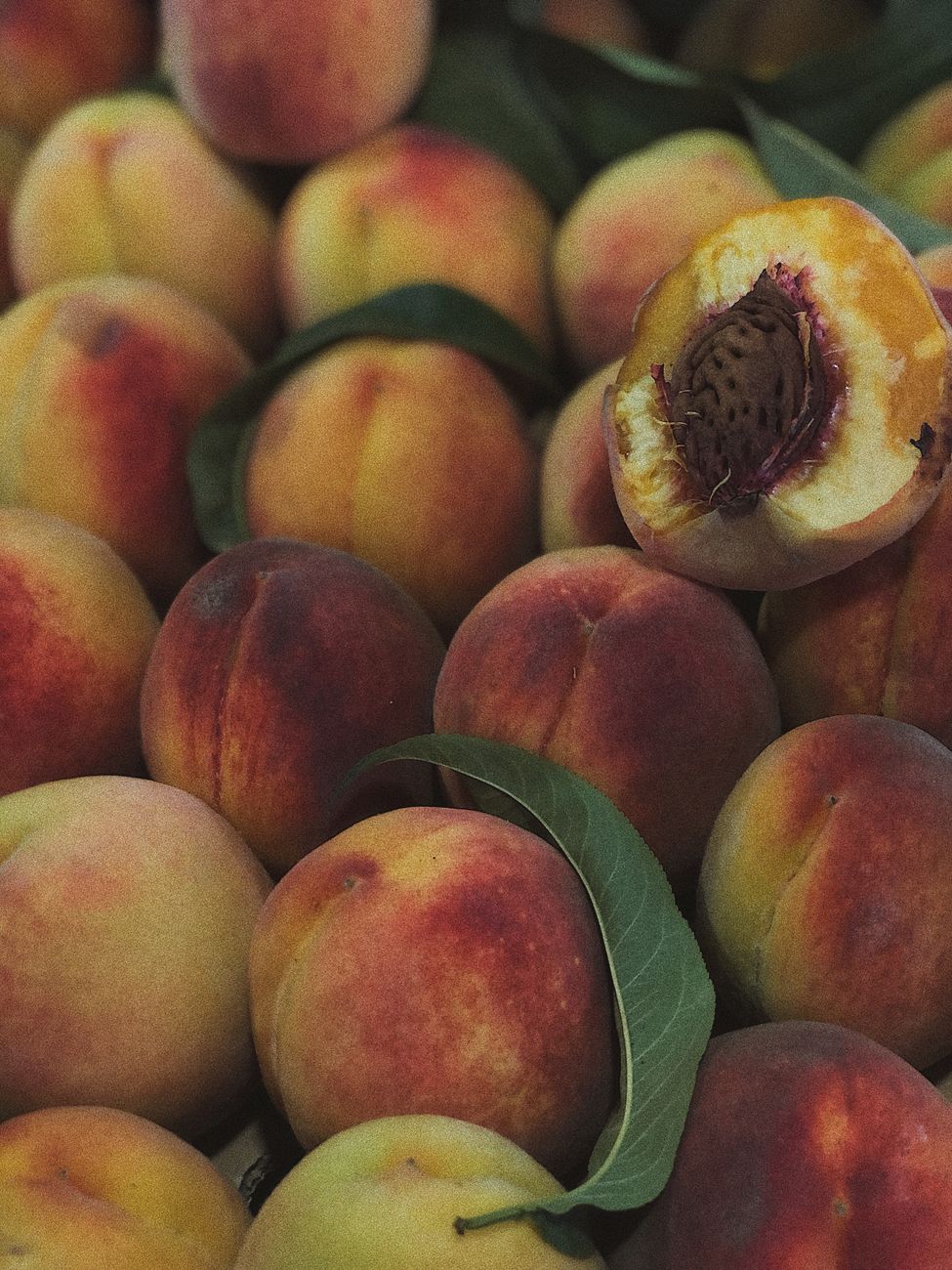
Photo by Unaizat Abdulgamidova on Pexels.com
The next many days follow the pattern of Nevare rising, working through the day, eating alone, and retiring. He finds that, although his physical capabilities improve immensely, he loses no weight. He also finds that the tasks put to him, although intended to be demeaning, satisfy him, although his increasing isolation from his family continues to wound him.
At length, Nevare seeks out Duril, and the two confer about Nevare’s situation. Duril takes Nevare out to the Bejawi village that stands near the Burvelle manor. There, they are to meet with some Kidona who have been settled after actions that Duril relates to Nevare, and some of the Bejawi history and practices are noted in contrast with their current situation. Evidence of tension between the two groups is presented, and Duril concludes an arrangement with some of the local Kidona. That arrangement gets him and Nevare access to Dewara, whose situation is related as the pair encounter him.
Dewara challenges Nevare, the two exchanging boasts and insults. Dewara reminds Nevare of his first failure to destroy Tree Woman, citing Nevare’s present state as effective revenge against Keft; Nevare tells Dewara of his destruction of Dancing Spindle, prompting the older man to violence. Dewara stabs Nevare, and Duril shoots Dewara, leaving him dead as Nevare bleeds. Nevare finds, however, that despite the blood on Dewara’s blade, he is barelyinjured, and he and Duril make their escape from Dewara’s final resting place.
As the pair return to Nevare’s home, they confer about events. Nevare confides his fears to Duril, and the old soldier offers blunt advice for how to proceed.
To address the chapter-length issue: the present chapter, in the edition of the novel I’m rereading, runs 24 pages in length, approximately 3.28% of the novel. Although briefer than the preceding two chapters, it has a fair amount going on, seeming to continue Freytag’s falling action in the first major narrative arc of the novel. A resolution is coming; given the location in the novel and in the trilogy, it is not apt to be a happy one for Nevare.
Also, for indexing purposes, the following: Acorns, Antelope, Bejawi, Carp, Cecile Burvelle, Cheese, Corn, Croaker bird, Dancing Spindle, Dappled People, Darsio, Dewara, Dr. Jakib Amicas, Franner’s Bend, Gernia, Goats, Hog, Hog sty, Jindobe, Keft Burvelle, Kidona, King’s Cavalla Academy, Manure, Manure, Nevare Burvelle, Oxen, Peaches, Pepperpot, Plainsfolk, Potatoes, Rosse Burvelle, Selethe Burvelle, Sergeant Erib Duril, Sirlofty, Swanneck, Taldi, Tree Woman, Wind wizard, Wolves. As befits a shorter chapter than the previous, there are fewer indexable items to find. But there is still much going on in the chapter, and so there is still much to point out as present in it.
The obvious thing, to my mind, is to contrast the present chapter with the previous chapter in the series with the same title, the third chapter of Shaman’s Crossing. This is not the first time that Hobb has reused chapter titles across novels; my rereading of the Realm of the Elderlings novels features numerous examples of her doing so, and each time, the repetition invites such consideration. The present chapter does call back, and explicitly, to the previous novel’s, making explicit reference to the events thereof and directly addressing some of their ramifications. Although the novel‘s initial narrative arc does not conclude, there is a resolution to one narrative thread in the series as the present chapter proceeds; Dewara’s story is decisively concluded, and in a chapter that overtly calls up that in which his story in the series begins. The symmetry is not an unwelcome thing to see.
An item of note: the discussion of Bejawi history, including their antagonism with the Kidona and its recent effect (146-50), attracts attention. There is, admittedly, something of the “noble savage” about the descriptions, although that is something that had been broached earlier in the Soldier Son series (see Shaman’s Crossing‘s “Old Thares”); narrative cohesion among the novels is aided by the invocation of the earlier-presented concept, even as such comments as Nevare’s that he “had come to a deep understanding of Kidona ways” (148)–and that in a relatively brief time–bespeak the fundamentally flawed nature of such viewpoints. The blunt presentation of immediate effects of colonialist practice is perhaps more telling, and I find myself thinking it would be good to reread Helen Young as regards the trilogy. Ah, to have the time to do so, but, alas, that life that would let me has largely left me!
Another item of note: Nevare passingly notes the attempt by his father to put in peach trees on his manor, only to have them fail (142). I have commented before, perhaps affectively, about my rereading of the Soldier Son series being influenced by growing up in the Texas Hill Country (see my remarks on Shaman’s Crossing‘s “Magic and Iron”); one of the things for which some of the small towns I drive through fairly often are noted is the peach crop. Indeed, nearby Stonewall, Texas, hosts an annual Peach Jamboree that does a lot of what keeps the community going. For me, peaches are simply part of the experience of life in the Hill Country; a failure of the peach crop is an issue hereabouts. It’s not a surprise to me that an area I read as reflecting the Hill Country in some ways would seek to install peach trees; it’s a matter of course, really. That the peaches failed…again, I read affectively; I feel some sympathy for the workers who tried to make them happen. Less affectively, given the innuendo that attaches itself to peaches–not for nothing is the peach emoji used as a short-hand for penetrable orifices, for but one relatively current example–and Keft Burvelle’s failure to cultivate it, I have to wonder if there is some kind of backhanded comment made that falls in line with the feminist critique at work in the series. But perhaps I am stretching a point to indulge such wonderings.
Maybe it’s not stretching a point to think you want me to write for you? Fill out the form below if you’d like me to!


[…] Read the previous entry in the series here.Read the next entry in the series here. […]
LikeLike
[…] the previous entry in the series here.Read the next entry in the series […]
LikeLike