Read the previous entry in the series here.
Read the next entry in the series soon.
The eleventh chapter of Forest Mage, “Franner’s Bend,” starts as Nevare proceeds away from his childhood home, ruminating on his changed circumstances and the implications thereof. He also considers seasonal changes at work in the area, as well as the civilizational changes that have crept upon the land. The encroaching of Gernian settlement shocks him somewhat as he considers it.
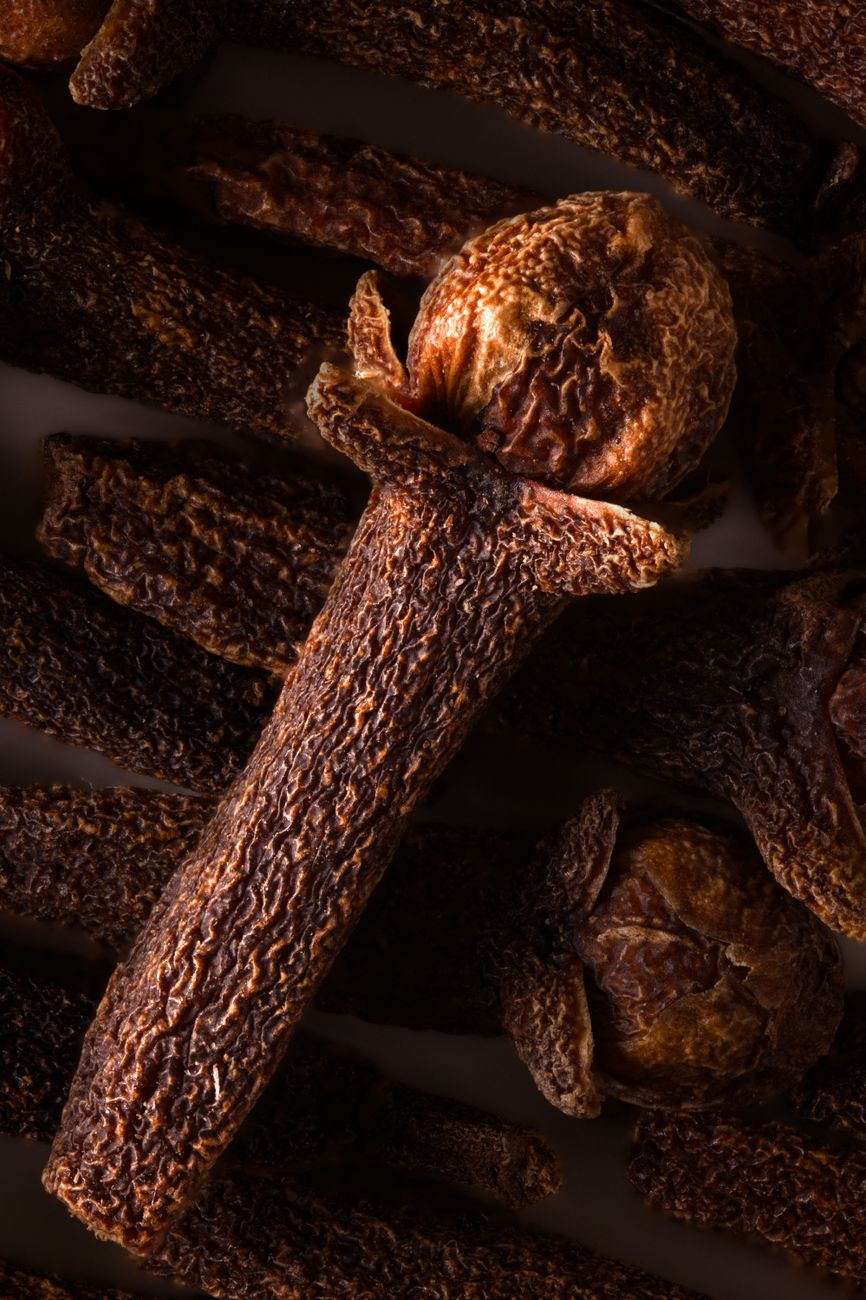
Photo by Stepan Vrany on Pexels.com
Arriving at Franner’s Bend, Nevare finds himself something of a curiosity as he looks for lodging for the evening. Sirlofty makes a show of not wanting to bear him as he proceeds, and Nevare considers the options available to him. Harangued by a local child, Nevare is able to find lodgings for the evening and, after learning some information about local situations, is referred to a horse-trader.
Nevare visits the horse trader, producing a draft animal and a saddle, although at the cost of both attracting significant attention and of working magic upon him. Returning to his lodgings, he compares the new animal, Clove, to Sirlofty and finds the new mount lacking but the old one unsuitable. Thus determined, he takes his supplies from Sirlofty, leaving the saddle, and takes the mount to the garrison, asking that Sirlofty be examined and returned to Widevale.
On the way back to his lodgings, Nevare engages the services of a prostitute, finding the exchange an unsatisfying reminder of his changed situation.
To address the chapter-length issue: the present chapter, in the edition of the novel I’m rereading, runs 17 pages in length, approximately 2.33% of the novel. It does serve a useful expository purpose for all its brevity, however, and helps to display how Nevare manages to break from his earlier life in favor of starting a new one that yet remains within the confines of what is familiar to him.
Also, for indexing purposes, the following: Birdbrush, Clove, Cotton, Dewara, Farvi, Franner’s Bend, Gernians, Guff, Hector, Jirry, Keft Burvelle, King’s Road, Last Bale, Midlands, Nevare Burvelle, Old Thares, Pewter, Plainsfolk, Rivergate, Sassy, Sirlofty, Talley, Widevale, Yaril Burvelle. As befits a brief chapter, the list of indexables is not a long one.
Of note to me is Nevare’s return to Franner’s Bend. So far as I can tell, he has not been back there since the very beginnings of the Soldier Son novels (see “Magic and Iron” in Shaman’s Crossing), and he makes much of the changes that have taken place in the area since he last visited it. Many of his comments echo concerns of the closing frontier in the United States, about which Turrentine and Glenn have some useful comments here. Again, Gernia pulls from the United States of the late nineteenth century, so the notion that “the open wild lands were vanishing” (236) is one in accord with the preexisting materials of the Soldier Son novels, and if it is problematic in several ways, that is also hardly at odds with the history from which it borrows so extensively.
Also of note to me, and perhaps it comes to mind because of my recent experience running a game of Dungeons & Dragons in which such concerns present themselves insistently, is the breakdown of money as Nevare reports having “seven hectors, fifteen talleys, and six pewters” (237). Currency is discussed only a little previously; there is some mention of a gift of money in the eastern Burvelle home of a Dark Evening (see Shaman’s Crossing‘s “Sword and Pen”), and Nevare remarks on his supply of hectors as he returns home from the King’s Cavalla Academy (see Forest Mage‘s “Spindle Dance”). Having a more detailed description of currency in the present chapter both makes it more of a concern than had previously been the case–greater detail bespeaks more attention, implying greater importance–as well as adding to worldbuilding; different denominations flesh out Gernia a bit more. Suggested by the names is that the talley is the “basic” currency, given that a tally is a simple accounting record; hector, mentioned previously and listed first in the present chapter, is likely a higher-value denomination (and quite possibly although not certainly named after an earlier monarch), with pewters, presumably called for the material of which they are made, of lesser value. This is conjectural on my part, of course; I follow implications and common practices to find something that makes sense in the absence of overt statements. It’s all any of us can do.
Additionally of note are comments Guff* makes about the resettlement and rehabilitation program Gernia operates for its laborers on the King’s Road (239). While there may be some virtue in giving those who have, as it were, paid their debt to society some means of starting a new life–in this case, an allotment of land–there is much less so in failing to offer those who receive such gifts any information about how to use the land that is theirs. Recidivism is almost certain in such cases–or worse, as Guff points out has befallen many in and around Franner’s Bend. The late-nineteenth-century-United-States parallel seems to me to be the Homestead Act; the National Park Service remarks that “more than half [of the homesteaders] were successful,” seeming something of a damnation by faint praise, and the University of Nebraska at Lincoln holds a fair amount of relevant materials for those interested in learning more. Certainly, there is more to say on the matter than is reasonable for the present commentary; perhaps another scholarly someday will dawn to shed light upon that “more.”
* I feel I have to make a comment about the name. The word itself, per common knowledge as affirmed by Merriam-Webster, denotes untruth at some level, whether as a lie, as exaggeration, or as what Frankfurt and those who follow him refer to as bullshit. (I’ve commented about the last, as might be expected, in such places as this, this, this, and this.) The character so named in the present chapter seems to be offering the exact opposite, much as a towering hulk of a person might be called Tiny; the same kind of joke is at work, and even if it is the case that giving an explanation kills a joke, it’s one of the kinds of thing that inform my lingering literary study. (I’m not going to list examples here, but will encourage my kindly readers to reread what I have written in this webspace; it pops up often enough that finding examples should be no challenge.)
I am happy to write to order; fill out the form below if you’d like to place one!


[…] Read the previous entry in the series here.Read the next entry in the series here. […]
LikeLike