Read the previous entry in the series here.
Read the next entry in the series soon.
The twelfth chapter of Forest Mage, “The King’s Road,” begins with Nevare considering something he was told by an inhabitant of Dead Town, the situation of which is described. Nevare pivots from consideration of Dead Town to musing on the King’s Road project which gave rise to it, noting that his progress along it is destroying his favorable impression of the project, and he rehearses the continuing changes to his situation as he continues eastward along its path.
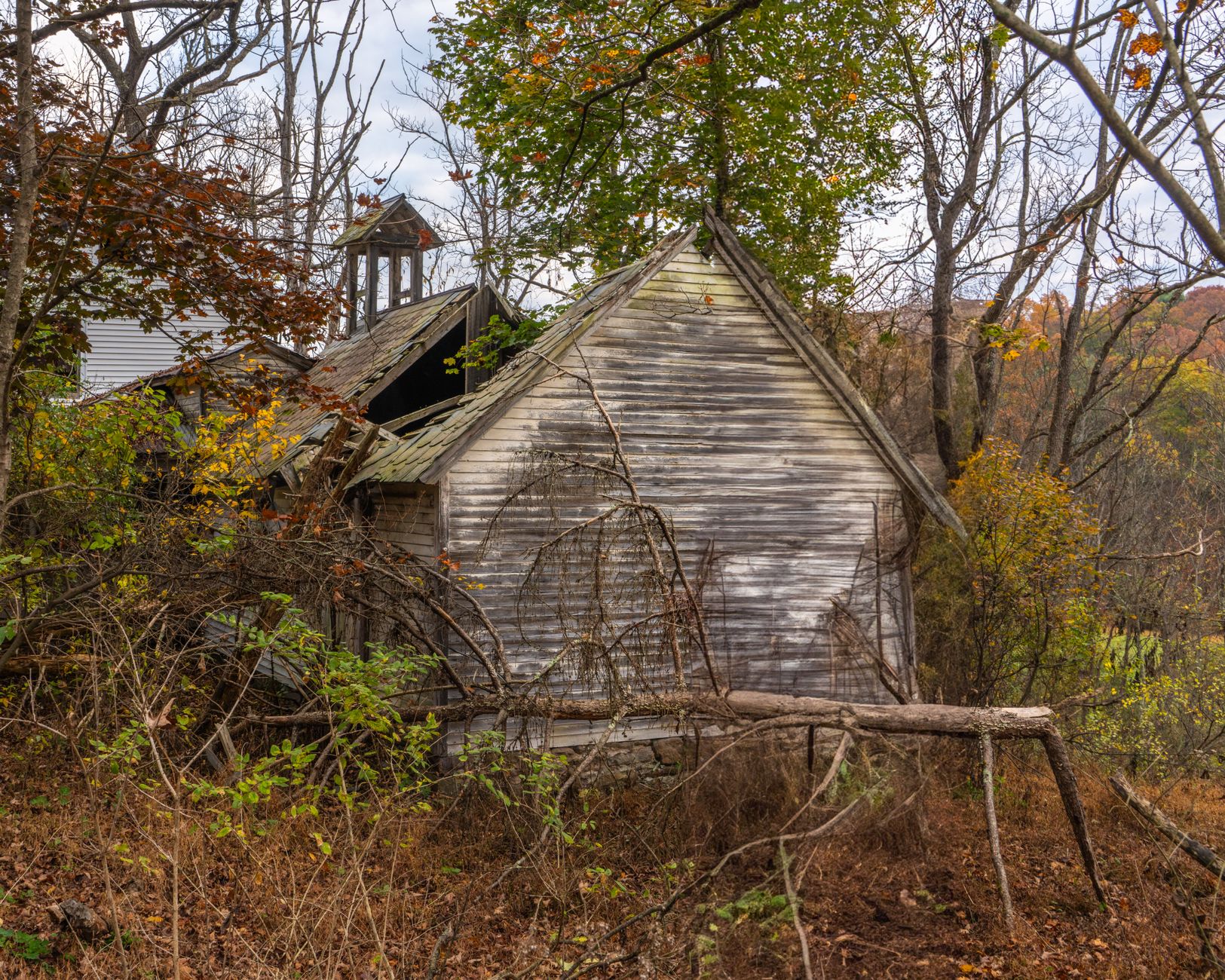
Photo by Phil Evenden on Pexels.com
As Nevare continues onward, he comes across the remnants of military units that had succumbed to the recent outbreak of Speck plague that had taken members of Nevare’s family, near which he finds a hidden cache of food and supplies that wrenches his attention and efforts. He exhausts himself in futile efforts before resigning against them, doing little enough to replenish stores from which he draws.
Nevare continues further eastward, marking the increasingly poor conditions of the King’s Road along which he travels, reporting on the same at a courier post he encounters. He attempts to purchase supplies there and is rebuffed, even when Nevare attempts to ply him with magic. His magic surges against the post leader who rebukes him, although Nevare does not know what effect the exercise of his magic will have upon its target as he departs.
More travel brings Nevare to another courier station, one that treats him less poorly but still not well, and when Nevare departs thence, he finds himself considering multiple possible destinations. He settles on moving toward Gettys, closer to the Dappled People than his other possible destinations, and he continues among degrading conditions and lessening signs of Gernian habitation.
The town Nevare does encounter is run down and full of suspicious people in straitened circumstances. He eventually finds a household within it, that of Amzil and her children, willing to take him in for the night, and he offers his labor in exchange for his lodging. Offering some of his own diminishing provisions to the family, he learns their story and situation; Amzil is the widow of a penal worker who had been lured by the promise of a better life and left with an injury that led to his death. Once the work-gangs moved on, she and the rest were left to their own devices, given scarce provisions and no training in how to use them, abandoned by Gernia.
Moved by Amzil’s story, Nevare offers to stay longer and work to improve her conditions. Amzil asks what he will want in return, and although she is in doubt of the simplicity of his request, she accedes. Nevare spends the next days working to shore up Amzil’s small home and teaching her and her children some ways to feed themselves from the nearby terrain. He also muses on his own diminishing prospects, determining to depart the next day.
To address the chapter-length issue: the present chapter, in the edition of the novel I’m rereading, runs 28 pages in length, approximately 3.83% of the novel. It continues exposition in what seems to be a new narrative arc, as well as doing a fair bit to enrich and expand the worldbuilding at work in the Soldier Son series and offering opportunities for reflection on a number of points, so the relatively greater length makes sense.
Also, for indexing purposes, the following: Amzil, Barrier Mountains, Cayton’s Horse, Charily, Clove, Croaker birds, Dead Town, Dia, Doril’s Foot, Eighth Regiment, Epiny Kester, Far Sea, Franner’s Bend, Gernia, Gettys, Gord Lading, Hectors, Holy Writ, Hoskin’s Horse, Jirry, Kara, King Troven, King’s Road, Kingsbridge, Lakegard, Laston, Mendes River, Mendy, Nevare Burvelle, Old Thares, Plainsfolk, Rats’ Nests, Rig, Scouts, Selethe Burvelle, Sem, Sergeant Duril, Seventh Regiment, Sirlofty, Speck Plague, Spond wood, Tefa River, Third Regiment, Trade Post, Trist Wissom, Widevale, Yaril Burvelle. The relatively long chapter admits of many indexable items, and Nevare admittedly spends some time considering destinations, offering more such than might otherwise be expected.
An item of interest in the present chapter is its opening one-sentence paragraph: “The good god never intended for people to live here” (249). As an opening line, it is gripping in itself, and being a decided pivot from the conclusion of the previous chapter, it attracts even more emphatic attention than that; the stark statement sits heavily, a thud on the floor that draws eyes to what caused it. Additionally, it sets the tone for what follows, moving into and through some bleak ruminations and presentations that are worth considering.
One such series of ruminations, for which reference to Helen Young’s 2014 “Critiques of Colonialism in Robin Hobb’s Soldier Son Trilogy” might be in order, is on the development of the Gernian colonial project. Nevare is, of course, a beneficiary of that project, the status he enjoyed until recently (relative to the present chapter) deriving entirely from his father’s advancement of Gernia’s colonialist aims; the tension between that background and the rights and needs of indigenous peoples being displaced underlies much of the narrative of the Soldier Son novels thus far. That the earlier, longer developed parts of the colonialist project might offer more comfort to those who dwell amid them is a sensible enough thing, and it is presented as such in the current chapter, although the difficulties inhering in driving the project by the use of convict labor are also sensible and very much evident in the chapter, the more so as it continues longer.
I note, too, that Nevare’s interactions with food in the present chapter ring of descriptions of addiction, whcih is something that Hobb’s works have treated at length; Fitz’s and others’ use of the Skill and Brashen’s use of cindin in the Realm of the Elderlings come to mind as ready examples, although they are not the only ones to find therein. In Nevare’s case, his food-cravings move beyond “normal” bodily needs, driven by the outside force of the magic that has been thrust upon him (253). Food addictions and eating disorders certainly exist in the readerly world, and the presentation of their symptoms as an artifact of magic can be taken as some kind of allegory for them; again, recourse to Anna Metsäpelto’s 2013 thesis might be in order, and I have to wonder if there is yet another of my own scholarly somedays to find in consideration of that allegory.*
Another point of interest that emerges for me is the differentiation of military units on display in the present chapter. To my recollection, in the Soldier Son novels previously, military units had been referred to by name, such as the present chapter’s Cayton’s Horse and Doril’s Foot. In the present chapter, there are also references to numbered units, specifically infantry units (as opposed to cavalry or artillery). While there may be some indication of class distinction at work, it is also possible that the numbered units simply have not done something to merit a proper name rather than a number; it is also possible that the numbered units are newer and proceed from more organized and rigorous military systems than earlier-formed units. In the juxtaposition, however, Hobb presents a bit more of the worldbuilding that makes Gernia so accessible a milieu as it is, and that is a good thing; the readerly world is inconsistent, so having such differences helps prompt verisimilitude.
Particularly prominent in the present chapter is the extension of the feminist discourse that has been at work in the Soldier Son novels.** Like similar motions in the Realm of the Elderlings novels, the discourse in the Soldier Son series does much to point out the conditions of women in the milieu, and while it is the case that Gernia is fictional, it also remains the case that it borrows much from the all too real (and still all too current, given ways in which putatively traditional roles for men and women are being presented not only as desirable, but increasingly mandatory). For how many of Hobb’s presumed primary readers do Amzil’s situation and that of her children parallel their own or those near to them? For how many do Selethe’s situation, which Nevare acknowledges suffered, as Epiny had intimated to him? It is not a new scholarly someday to note that the matter merits consideration, if another has not already done the work.
* Hobb’s relationship with allegory is somewhat contested, as I think I’ve gestured towards with ideas about the Wit as allegory for homosexuality in the Farseer novels and the overt presentation of same-sex relationships in the succeeding Tawny Man trilogy. That the issue is complicated is not a bad thing, however; it offers more opportunity for reflection and thus for increased understanding than might otherwise be the case.
**See for discussion Shaman’s Crossing‘s “Séance,” as well as Forest Mage‘s “Forest Dreams,” “Rosse’s Wedding,” “A Day of Letters,” and “Flight.”
If you’d like me to write for you fill out the form below!


